
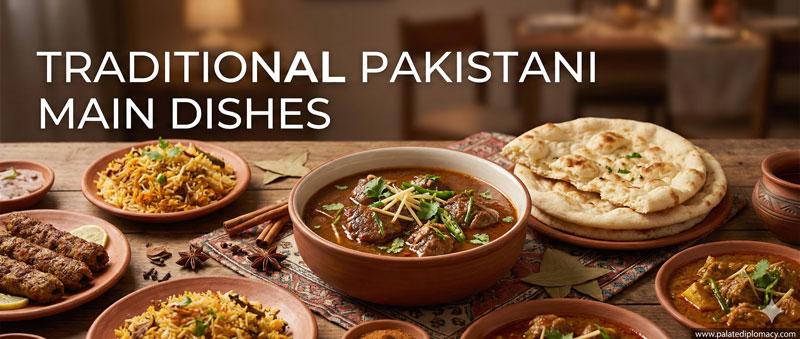
Discovering Paya: A Dish with Deep Roots
Paya is more than a meal; it is a doorway into a family’s kitchen and a community’s table. This slow-simmered dish centers on trotters from sheep or goat, cooked until the meat is tender and the broth glows with warmth. The natural gelatin from the bones creates a silky, inviting texture that coats the palate. Each spoonful carries the patience of hours spent tending a pot, a quiet ritual that honors ingredients and craft alike. In homes and markets, Paya’s aroma signals care, hospitality, and the joy of sharing a comforting food with others.
The Heart of the Culture: Why Paya Matters
In many kitchens, Paya stands for more than nourishment. It is a celebration of technique passed from cook to cook, generation to generation. The dish embodies a philosophy of slow, attentive cooking: measure spices with intention, simmer gently, and taste with gratitude. The result is a fragrant harmony of flavors that speaks to memory and place. When families gather around the pot, conversation flows as freely as the steam, and everyone participates in the act of nourishment. Paya, then, becomes a partner in community, a comforting presence at the start of a day or the end of a long week.
The Craft: From Market to Pot
The journey of Paya begins with quality ingredients chosen with care. Fresh trotters are washed and cleaned, and a brief parboil helps remove any impure notes. A sturdy pot or Dutch oven becomes the stage for a slow, patient simmer. Aromatics such as ginger and garlic provide a sunny foundation, while cumin, coriander, and a touch of chili bring warmth. Some cooks add cinnamon, cloves, or cardamom for a subtle fragrance that lingers in the air. A quiet simmer helps the broth thicken and flavors bloom, turning simple ingredients into a dish that feels special. The craft lies in balance: a bright finish of citrus or herbs, a gentle heat, and a broth that remains clear and inviting.
A Symphony of Aromas and Textures
Paya is a sensory experience. The steam carries notes of ginger, garlic, and toasted spices, inviting the senses before the first bite. The broth is rich and glossy, thanks to the gelatin released from the bones. The meat becomes melt-in-your-mouth tender, while the trotters add a pleasing chew and depth. The texture is both silky and comforting, with a broth that clings to bread and a finish that lingers pleasantly on the palate. The color can range from pale gold to a deeper amber, signaling the strength of the spices and the slow, patient cooking that gave the dish its character.
Sharing and Seasonal Celebrations
The social side of Paya Shines in How It is shared. It appears at family gatherings, weekend breakfasts, and special occasions where friends and neighbors come together to enjoy warmth and goodwill. Bread is essential: naan, roti, or paratha are perfect companions for dipping and sopping up every last drop of broth. Simple accompaniments—thinly sliced onions, lemon wedges, fresh cilantro, and mint—brighten the dish and emphasize balance. A cup of hot tea or mint-infused water often accompanies the meal, offering a refreshing counterpoint to the Rich Flavors. The act of serving Paya is itself a gesture of hospitality, inviting everyone to participate in a moment of nourishment and connection.
Regional Variations: A Palette of Flavors
Across regions, Paya wears different accents, each respected and cherished. In some areas, cooks favor a brighter, lighter spice profile, allowing herbal notes to echo through the dish. In others, a bolder spice blend with garam masala and a hint of saffron lends a regal warmth. Different kitchens might finish with a squeeze of lemon, a handful of chopped herbs, or a final drizzle of olive oil or ghee to enrich the aroma. These variations reflect local tastes, seasonal ingredients, and the quiet pride of families who guard their own methods. Yet at heart, the dish remains the same: a hearty, comforting, and culturally resonant meal built on patience, skill, and shared enjoyment.
Pairings and Serving Traditions
Paya pairs beautifully with bread that readily soaks up the savory broth. The bread acts as a partner, not a rival, in the tasting experience. Fresh herbs and a bright lemon wedge brighten the dish and sharpen the palate between bites. Thinly sliced onions add a crisp contrast, while chilies or hot sauce offer a welcome spark for those who enjoy a touch of heat. A cool yogurt dip can provide a creamy counterpoint to the richness of the broth, enhancing balance without dulling the dish’s character. Serving Paya in wide bowls invites generous portions and conversation, inviting guests to linger over the meal and savor every detail.
Timeless Appeal: A Gentle, Enduring Favorite
Paya endures because it blends technique, tradition, and warmth into a single, satisfying experience. It invites cooks to honor ingredients and to nurture patience, and it invites diners to slow down and savor. The dish’s beauty lies not only in its flavor but also in its role as a gathering point—an edible thread that weaves families, friends, and neighbors together. In this way, Paya stays timeless: a humble yet dignified expression of culinary culture, open to variation but rooted in shared care and enjoyment.
Conclusion: Embracing the Richness of Paya
Discovering Paya is an invitation to explore how a single dish can reflect a community’s heart. The dish teaches us to value patience, precise technique, and generous hospitality. It celebrates the artistry of spice and the comfort of a well-made broth. Most of all, it honors the simple joy of sharing a meal that nourishes body and spirit. As you welcome Paya to your table, you join a tradition of cooks who have safeguarded its flavors with care and passed them on to new generations. May each ladle remind you of warmth, welcome, and the beauty of culinary culture.