
Introduction
Discover the Rich Flavors of Paya invites you to a dish that glows with warmth and memory. Paya is a slow-simmered trotters broth. It is more than a meal; it is a ritual of patience and hospitality. In this post, we explore its cultural value and culinary significance. The broth carries the spirit of family kitchens, seasonal ingredients, and shared meals. Each spoonful reveals depth, texture, and comfort that people return to week after week.
The Cultural Table: Paya in Family Traditions
Paya shines at the heart of many homes during colder days and festive gatherings. It gathers people around a pot that hums with gentle heat. Families take time to prepare it together, turning cooking into a shared ceremony. Every step becomes a memory—cleaning the trotters, browning bones, measuring spices, and ladling the steaming broth into bowls. The dish invites storytelling as aromas drift through the rooms. In this way, Paya becomes a bridge between generations, a way to honor tradition while inviting new cooks to learn, taste, and contribute. The result is a sense of belonging born from careful hands, careful timing, and a table kept warm with good will.
The Soul of the Broth: Technique and Flavor
The heart of Paya is its broth. The technique favors patience and balance. Start with high-quality trotters or bones, clean them well, and remove any impurities. Sear the pieces to deepen flavor and color. Then add aromatics such as ginger, garlic, onions, and whole spices like cinnamon, cloves, and cardamom. Simmer slowly over low heat. Let the liquid draw out collagen and richness from the bones. Do not rush this step; slow simmering yields a silky, slightly gelatinous texture that coats the palate. As the broth thickens, the flavor becomes round and deep. Finish with fresh herbs and a bright squeeze of lemon or lime to lift the spices. The result is a comforting broth that speaks of restraint, craft, and respect for ingredients.
Regional Variations: Tweaks That Tell a Place
Across regions, Paya adapts to local tastes while preserving its core essence. In some kitchens, lighter broths emerge from shorter simmering and more delicate spice blends. In others, a bolder profile appears with stronger notes of garlic, pepper, and chili. Garnishes vary too: chopped cilantro, mint, and sliced ginger, or a drizzle of sesame oil for depth. The serving styles shift as well—some households spoon the broth over bread, others pour it over small portions of rice, allowing textures to mingle. These variations highlight how a single dish can travel and find a home in many kitchens, each version reflecting care, climate, and preference. Yet the underlying harmony remains: a slow, fragrant simmer, a balance of spice and warmth, and a communal sense of nourishment.
Serving, Pairings, and Festive Moments
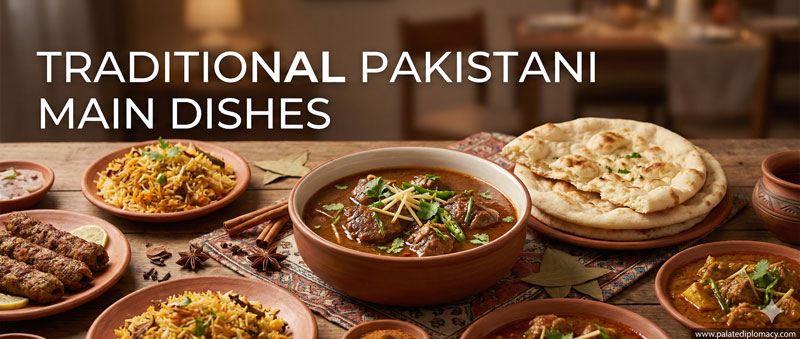
Paya Shines in quiet mornings and lively gatherings alike. Serve it in warm bowls, allowing the steam to rise and perfume the room. A squeeze of citrus brightens the palate and lifts the spices. Fresh herbs add color and aroma, while thinly sliced ginger or green chilies offer a gentle kick for those who enjoy it. Pair Paya with soft breads such as naan or paratha, or with plain rice to savor the broth fully. Pickles or a tangy yogurt side can provide a refreshing contrast. More than a dinner, Paya becomes a small ceremony: the first taste, the shared smiles, the clinking bowls, and the sense of being cared for by everyone at the table. It is a dish that invites slow savoring and thoughtful conversation.
Craft and Craftsmanship: The Beauty of Patience
Making Paya celebrates the craft of home cooking. The beauty lies in patience and attention to detail. Clean ingredients, careful browning, patient simmering, and mindful seasoning build a dish with character. This is cooking as a respectful practice—the kind that honors the ingredients and the people who prepare them. By embracing the long, gentle simmer, cooks extract every layer of flavor from bones and cartilage. The result is a broth that feels alive, with the warmth of the hearth in every sip. Embracing this method honors the timeless wisdom of kitchen craft and makes the dish a small, lasting gift to the family and guests.
Sustainability and Respect for the Table
Paya also speaks to sustainable cooking. Using trotters and bones that might otherwise be overlooked shows care for every part of the animal. Slow cooking makes efficient use of inexpensive cuts while delivering rich flavor. This approach reduces waste and yields a nourishing, satisfying meal. Respect for farmers, butchers, and growers shines in each pot. When you cook Paya, you celebrate ingredients with patience and gratitude, and you share that respect with those who gather at your table.
A Gentle Invitation to Taste and Share
If you are new to Paya, approach it with curiosity and calm. Let the aroma lead you, then savor the texture and balance. Notice how the broth coats the tongue, how spices bloom, and how the finish lingers pleasantly. The dish invites conversation, not haste. It welcomes both seasoned cooks and newcomers to learn, adapt, and celebrate. By embracing the cultural value and culinary significance of Paya, you can connect with memories, craft, and community in a single, flavorful meal.
Conclusion
Paya stands as a quiet testament to the joy of slow cooking and shared meals. Its cultural value lies in the rituals of preparation, the warmth of family tables, and the respect shown to ingredients. Its culinary significance rests in a gelatinous, well-seasoned broth that carries spice, aroma, and comfort. By inviting you to explore its flavors, this dish offers more than nourishment; it offers a sense of place and belonging. Whether enjoyed alone or with friends and family, Paya promises a memorable experience—one simmered with care, kindness, and the beauty of traditional cooking.