
The Story Behind Paya, a Pakistani Food Favorite
Paya anchors many kitchens with warmth and welcome. It is a dish built around trotters, simmered slowly to release their richness. The result is a silky, deeply flavored broth and a bowl that invites conversation. Families gather around the stove, sharing stories as the spice blend blooms. Paya is more than food; it is a thread that ties generations to the table.
What Paya Is
Paya is a hearty curry made from the feet of goat or sheep. The bones and joints release collagen as they simmer, creating a thick, gelatin-rich stock. The broth coats bread or rice with a velvety sheen. In home kitchens and markets, cooks flavor the base with ginger, garlic, onions, and a balanced spice mix. The dish shines when finished with fresh herbs and a bright finish from citrus.
The Culinary Craft: Slow Simmering and Spices
The magic of paya lies in patient simmering. First, cooks brown aromatics to build depth. Next, they add whole spices such as cinnamon, cardamom, cloves, and peppercorns. Ground spices like coriander, cumin, and turmeric join in for warmth. Ginger and garlic lace the pot, followed by a gentle salt and heat. Then the broth rests on a low flame for hours, until the meat yields and the stock thickens. Finally, a quick tadka of garlic, chilies, and onions heightens aroma just before serving.
Flavor Profile and Texture
Paya offers a rich, savory profile that comforts the senses. The texture is velvety and slightly gelatinous, thanks to the collagen in the trotters. Notes of warmth come from the spice blend, while a bright element—such as lemon juice or lemon wedges—lifts the finish. Fresh cilantro, green chilies, and fried onions add color, crunch, and lift. The overall experience is balanced, soothing, and full of character.
Cultural Value: Shared Meals and Seasons
Paya holds a special place in many households because it welcomes togetherness. It is commonly prepared for weekend gatherings and festive occasions, inviting relatives and friends to linger at the table. The dish embodies hospitality, as cooks delight in generous portions and generous spice. Each serving becomes a small ceremony: a toast to family, a welcome around the table, and a moment to savor a shared tradition. In this way, paya helps preserve a rhythm of daily life that centers on care and connection.
Regional Variations and Traditions
Across Pakistan, cooks bring regional voices to paya. Some regions favor a bolder, robust masala; others lean toward a lighter, brighter finish. Garnishes vary by home and market, yet common elements endure: fresh coriander, lemon wedges, green chilies, and crisp fried onions. Local twists may include a touch of saffron, a pinch of dried fenugreek, or a particular blend of ground spices. Despite these differences, the dish consistently reflects a love for slow, mindful preparation and a respect for the ingredients’ natural depth.
Serving Traditions: Naan, Rice, and Garnishes
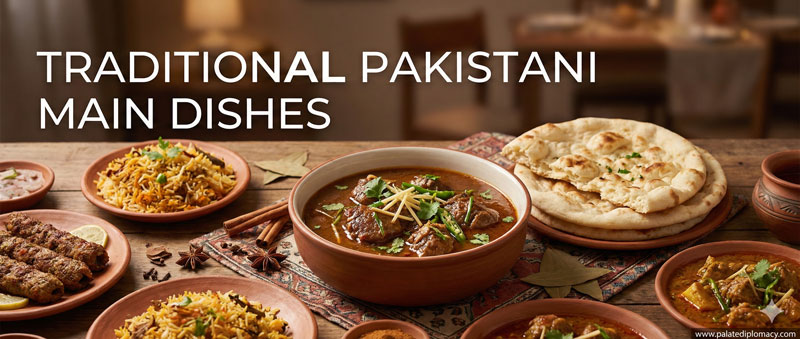
The best paya arrives at the table with accompaniments that highlight its richness. Naan or paratha offers a sturdy, flavorful scoop, while steamed rice provides a clean counterpoint. Garnishes complete the experience: chopped cilantro, lemon juice, and thinly sliced green chilies. Some households drizzle a touch of melted ghee for extra sheen. In every serving, the focus stays on balance, aroma, and the joy of sharing.
Cooking Tips for Home Cooks
To craft paya at Home with clarity and ease, keep these ideas in mind:
– Choose trotters with a good amount of meat and clean them well.
– Parboil briefly to remove impurities, then rinse.
– Start with a base of onions, garlic, and ginger, and build depth with whole spices.
– Use a heavy pot or a pressure cooker to control heat and time.
– Skim foam as the stock develops to keep the broth clear and bright.
– Simmer slowly for several hours, or follow the pressure cooker times for speed.
– Finish with a squeeze of lemon, coriander, and a gentle tadka for aroma.
The Beauty of Paya in the Food Culture
Paya is more than a recipe; it is a living signal of kitchen craft and care. It shows how simple ingredients, treated with patience and respect, become something greater. The dish invites conversation, and it rewards those who take time to listen to the simmering sounds and the evolving aroma. In its folds of spice and tenderness, paya celebrates the beauty of traditional cooking and the enduring love for good food shared openly.
Conclusion
The Story of paya speaks to the heart of Pakistani food culture: a season of warmth, a technique honed by generations, and a table that welcomes all. Through slow simmering, careful seasoning, and thoughtful garnishes, paya becomes a emblem of hospitality and craft. Whether enjoyed at home with family or at a festive gathering, this dish reminds us how flavor, texture, and aroma can bring people together in quiet, meaningful ways.