
The Story Behind Paya, a Pakistani Food Favorite
Paya is a warm, inviting dish that stars trotters in a fragrant broth. In homes and markets across Pakistan, it appears on tables as a symbol of care and welcome. The dish blends patience, seasonality, and shared ritual. A pot of Paya gathers people around the stove and invites conversation as the aroma rises. Its beauty lies in how simple ingredients become a soulful meal through careful cooking.
The Craft: Ingredients and Method
Paya relies on a few hearty elements and a patient approach. Key ingredients include trotters from goat or sheep, water, onions, garlic, ginger, and a rich blend of spices. Common spices are cumin seeds, coriander seeds, fennel seeds, green cardamom, cinnamon, cloves, and black pepper. Turmeric adds color and warmth, while red chili or green chilies bring gentle heat. A touch of salt completes the balance. Fresh cilantro and a squeeze of lemon or lime brighten the finish.
The method is steady and deliberate. Start by washing the trotters and skimming impurities. Sear aromatics to release their scent, then add water and the spice mix. Simmer slowly for hours. As the broth thickens and the meat becomes tender, the surface may gather a light foam that you skim away. The result is a glossy, soothing liquid with a velvet mouthfeel. Each bite carries a depth that only slow simmering can give, a true showcase of patience in the kitchen.
Regional Expressions and Flavor Profiles
Across Pakistan, Paya expresses local character while remaining deeply familiar. In Punjab, cooks often amplify the masala base, allowing a robust, aromatic profile to shine through. In Karachi, a brighter finish with citrus and a touch of tang from fresh herbs may appear, balancing the richness with freshness. In the northern regions, a gentler, more delicate spice weave can highlight the natural sweetness of the meat. Yet throughout, the dish remains rooted in the same idea: a hearty, comforting bowl built from a few pure ingredients.
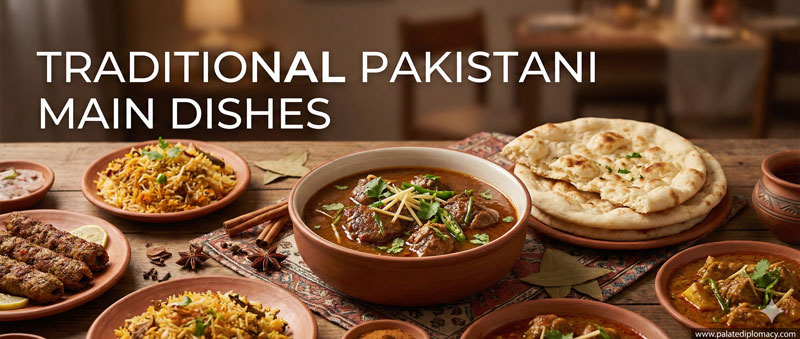
Garnishes play a key role in perception. Crushed garlic fried in oil, chopped cilantro, slices of green chilies, and a wedge of lemon sharpen and lift the flavors. Naan, kulcha, or chapati on the side invites dipping and scooping. The result is a multi-sensory experience: aroma rising from the pot, the glossy sheen of the broth, and the satisfying texture of the meat.
The Table: Aroma, Texture, and Pairings
Paya offers a sensory journey. The aroma is warm and inviting, often described as cozy and reassuring. The texture is tender and slightly gelatinous, with the bones adding a subtle bite that speaks to slow cooking. The gravy coats the bread, making each bite comforting and satisfying. Pairings emphasize simplicity: fresh bread, a bright squeeze of citrus, and a handful of crisp herbs.
This dish also carries a social cadence. It invites sharing from a central pot and encourages conversation as everyone waits for the first steaming bowls. A morning aroma can wake a household, while a weekend gathering might turn into a slow, culinary ritual. In both cases, Paya anchors a moment of connection and hospitality.
Home Cooking: Practical Tips for a Great Paya
- Start with quality trotters and a patient simmer. Even when time is short, aim for at least a couple of hours; longer yields more depth.
- Build the spice base thoughtfully. Toast whole spices to wake their oils, then grind or crush as needed.
- Keep the broth glossy by skimming gently and adjusting the heat. A gentle simmer is key.
- Finish with brightness. A squeeze of lemon, chopped cilantro, and a dash of fresh chili heighten the flavors.
- Serve with warm bread. Naan or Kulcha makes dipping effortless and enjoyable.
Honoring the Craft: A Cultural Spotlight
Paya holds a cherished place in the culinary landscape of Pakistan. It embodies hospitality, family, and communal eating. The dish teaches patience and care—from selecting the ingredients to the slow, attentive simmer. It also showcases how a few robust flavors can become a comforting classic that families return to across generations. In every bite, Paya tells a story of the kitchen as a welcoming space, where warmth, aroma, and texture meet to celebrate shared meals.
A Warm Invitation to Savor
If you visit a kitchen or a bustling street stall, Paya offers a gentle invitation: slow down, breathe in the scent, and enjoy the company around the table. The dish reminds us that great meals are built not only on technique but on the relationships that gather at mealtime. Paya stands as a beloved Pakistani favorite because it blends taste with memory, comfort with craft, and generosity with good science in the simmering pot.