
The Story Behind Paya, a Pakistani Food Favorite
Paya is a warm bowl that carries the heart of Pakistani kitchens. It centers on trotters simmered into a silky, fragrant broth. The dish invites you to slow down, to savor aroma and texture, and to feel welcome at a family table. Paya’s warmth comes from patience, careful seasoning, and a shared love of good food. It is more than a meal; it is a moment of comfort, a signal that guests are valued, and a celebration of everyday care in cooking.
The Craft of Paya: Ingredients and Technique
The heart of Paya is simple and generous. Fresh trotters are simmered with a handful of spices, aromatics, and a long, gentle simmer. Common ingredients include onion, garlic, ginger, turmeric, cumin, coriander seeds, fennel, and garam masala. A touch of chili adds a welcomed glow, while salt brings balance. The technique relies on layering flavors: start with sautéed aromatics, sear the trotters for depth, then simmer slowly in water or stock. Over hours, the connective tissue breaks down, releasing richness into the broth. Skimming impurities as you go, you refine the clarity of the stock while preserving its generous body. The result is a fragrant, gelatinous, and deeply satisfying pan of sustenance.
Cultural Significance in Pakistani Kitchens
Paya is a dish that gathers people. It often appears on weekend mornings, when households share the glow of an prepared pot and the aroma travels through the home. Families savor it with warm bread, such as naan or paratha, along with a bright squeeze of lemon and fresh onion to awaken the palate. The scent invites conversation, and the table becomes a place to welcome neighbors and loved ones alike. In Ramadan, Paya can mark a special dawn meal, offering nourishment that starts the day with a sense of calm and anticipation. Across homes, the dish speaks of care, tradition, and the joy of prepared foods that carry memories from kitchen to kitchen.
Regional Flavors and Expressions
Across Pakistan, cooks adapt Paya with their own touch. The core remains the same—a rich, comforting broth with tender meat—but spice balance and garnishes vary. Some kitchens favor a bolder, peppery note; others lean toward a sweeter depth from slow caramelization. Fresh herbs, a squeeze of citrus, or a drizzle of hot oil may finish the dish, giving each region its own signature profile. This flexible approach turns Paya into a living map of taste, linking generations through shared technique and evolving favorites.
Serving Traditions and Aesthetic
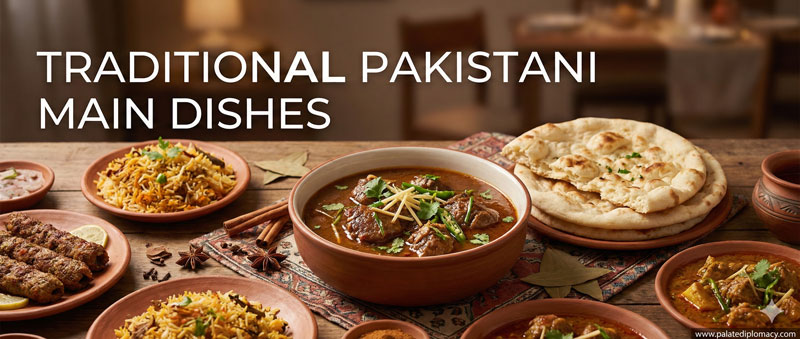
Paya arrives at the table steaming and inviting. A bowl of hot broth, soft meat, and a silky texture welcomes spoonfuls of bread. Garnishes like chopped cilantro, sliced onions, and slivered ginger brighten the plate, while lemon wedges offer a light tart contrast. The steam carries spice and warmth, making every bite feel like a conversation in a bustling market or a quiet home kitchen. The way it is plated and shared enhances the sense of hospitality that is central to Food Culture.
Paya as Nourishment for Mind and Community
Culturally, Paya celebrates nourishment that goes beyond sustenance. It teaches patience, the joy of home cooking, and the care found in long-simmered recipes. The dish invites people to slow down, to listen to the simmer, and to share a meal that honors tradition while welcoming personal touch. It stands as a beacon of hospitality, a symbol of welcome, and a bridge between generations through taste and story.
Cooking Notes for Those Curious to Explore Paya
- Choose fresh trotters and clean them well.
- Start with a solid aromatics base (onion, garlic, ginger).
- Simmer slowly for several hours to develop depth and a silky broth.
- Balance spices with a light hand; you can adjust toward a milder or bolder finish.
- Finish with bright garnishes and a squeeze of citrus to lift the flavors.
- Serve with warm bread and fresh accompaniments for a complete experience.
The story of Paya is one of flavor, patience, and welcome. It shows how a single pot can carry culture, nourish a table, and create moments that linger in memory. If you hear the gentle simmer and the whisper of spices, you are about to taste a dish that has earned its place as a beloved Pakistani favorite.