
Introduction
Paya is a classic dish in Pakistani Cuisine that embodies warmth, craft, and shared meals. It welcomes diners with a rich aroma and a silky, generous broth. The dish invites curiosity about how simple ingredients become something celebrated at the heart of family tables. This post explores the cultural value and culinary significance of paya, showing why it matters to so many kitchens and communities.
The Heart of Paya
At its core, paya is a slow-simmered broth built from trotters, bones, and cartilage. Along with the meat, cooks build a depth of flavor from onions, garlic, and ginger. A fragrant blend of spices—cinnamon, cardamom, cloves, bay leaf, turmeric, and pepper—gives the broth its distinctive warmth. Ghee or a touch of oil adds a sheen to the surface, helping the spices bloom. The result is a broth that feels both comforting and lifted by spice. The texture is a celebration of patience: time, heat, and careful scrutiny of the boil and simmer.
From Home Kitchens to Special Occasions
Paya travels through many kitchens as a dish of distinction and affection. Families prepare it for leisurely weekend breakfasts, turning a quiet morning into a ceremonial meal. It also shines at special occasions, where a pot is shared among guests, and the act of serving becomes a social ritual. Street vendors and small eateries contribute to paya’s reach, offering a fragrant taste that travels across blocks and neighborhoods. In this way, paya nourishes a sense of belonging, linking cooks, helpers, and diners in a shared culinary moment.
The Craft of Paya
Making paya is an exercise in balance and patience. Start with clean trotters and bones, then simmer slowly to unlock gelatin and richness. The spice blend is chosen to complement the meat’s natural sweetness, not to overpower it. Aromatics are softened to release their perfume, then the broth is coaxed to a steady simmer. Salt and a touch of acid—often lemon—brighten the deep flavors at the finish. The finishing touch, when green herbs and a squeeze of citrus meet the steaming broth, is a reminder that simple choices can amplify complexity.
Regional Voices
Across Pakistan, paya carries subtle regional hues. In some Punjab kitchens, the broth leans toward a robust, peppery warmth, with a bold spice balance and a generous spoon of ghee. Sindh preparations may lean a touch sweeter in fruitier spice notes, with fresh herbs brightening the finish. In Balochistan and other areas, cooks may emphasize a leaner spice profile or a specific local herb for a unique aroma. Regardless of the regional twist, paya remains a shared symbol of care, time, and the joy of a well-made broth.
Serving Etiquette and Aroma
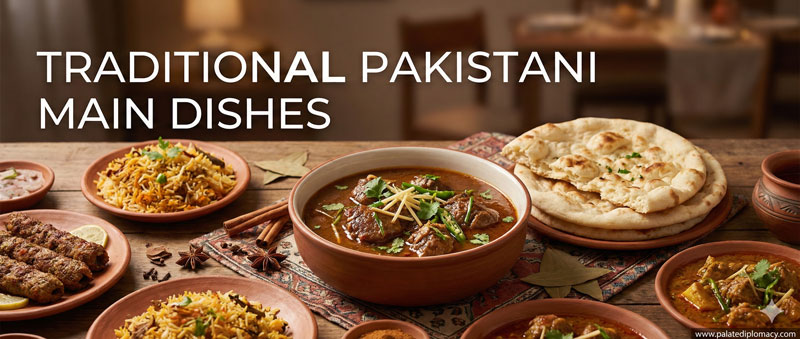
Paya is best enjoyed hot, with bread that soaks up the luscious broth. Naan or kulcha are popular companions, while a side of lemon wedges and sliced green chilies offers bright counterpoints. A sprinkle of chopped coriander adds a fresh lift, balancing the richness. The ritual of setting the steaming pot on the table, welcoming guests to dip and savor, is as much a social gesture as a culinary one. The scent—warm spice, buttery fat, and simmered bone—creates an inviting atmosphere before the first bite.
Culinary Significance
Paya showcases the beauty of slow, deliberate cooking. It reveals how patience, technique, and a careful blend of spices can transform a humble cut into a luxurious, comforting dish. The broth’s silky texture highlights the value of collagen and heat control, while the spice chorus demonstrates how aroma and flavor layers evolve with time. Beyond taste, paya honors the practice of sharing a meal, turning a pot into a communal ritual that strengthens family bonds and neighborhood connections. The dish also serves as a canvas for personal taste, with cooks adjusting spice balance, garnishes, and accompaniments to reflect local preferences and family traditions.
Paya in Modern Kitchens
Today, many cooks honor paya in contemporary kitchens by adapting methods while preserving its essence. Home cooks may use a pressure cooker or slow cooker to shorten the cook time without sacrificing depth. Chefs experiment with finished textures, offering paya with crisp bread to contrast the broth or with a lighter, herb-forward finish for a modern palate. Yet, even in new forms, the dish remains rooted in patience, reverence for ingredients, and the joy of sharing a well-made pot with others.
Conclusion
Paya stands as a cherished thread in the fabric of Pakistani cuisine. Its cultural value lies in the care it requires, the flavors it builds slowly, and the way it invites people to gather, share, and celebrate a meal together. The dish embodies hospitality, craft, and memory, turning a simple soup into a meaningful culinary tradition. Whether enjoyed in a family kitchen, a bustling eatery, or a neighborhood gathering, paya continues to enchant with its rich aroma, silky texture, and timeless appeal.