
What Pelau Is and Why It Matters
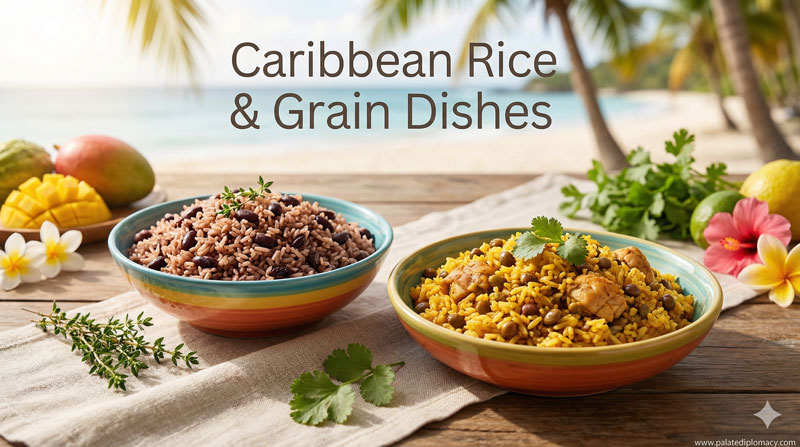
Pelau is a comforting one-pot dish that many Caribbean kitchens reach for with anticipation. In its simplest form, it blends rice, pigeon peas, and meat—often chicken—with coconut milk and a touch of caramelized sweetness. The result is a dish that feels both familiar and festive. Its color comes from browning sugar and toasting rice, which adds depth and a glossy, inviting finish. Pelau matters because it turns pantry staples into a shared culinary moment. It invites people to gather, taste, and celebrate ordinary ingredients turned special through technique and care.
A Masterclass in One-Pot Flavor
Pelau shines in its method as much as in its flavor. First, cooks brown the meat to lock in juices and develop a savory crust. Next, they toast the rice lightly, which helps each grain stand up on the plate. Caramelized sugar adds a gentle sweetness and a rich, nutty hue. Then comes the coconut milk and stock, which braid the grains with a creamy lift. Finally, herbs, onions, garlic, and peppers weave through the pot, bringing brightness and balance. The result is a dish with multiple layers: a toasty aroma, a soft, savory center, and a hint of sweetness that lingers pleasantly.
Pelau and Caribbean Food Culture
Pelau is deeply rooted in everyday Caribbean life. It appears at family meals, neighborhood gatherings, and celebratory feasts alike. The dish travels well from kitchen to table, carrying the scent of simmering goodness. It is a comfort food that pairs with simple, fresh accompaniments and still feels special. Pelau also demonstrates how Caribbean cooks adapt with intuition—adjusting spice levels, choosing between chicken or other meats, and using available legumes. The result is a dish that feels universal within the region, yet personal in every kitchen.
Senses and Texture: A Rich Culinary Experience
The sensory experience of pelau is its beauty. The aroma blends toasty rice, caramel, and warm spices. The color—a deep, inviting brown—signals caramelization without being heavy. Each bite offers a satisfying mix: tender meat, softly chewy peas, and rice that carries the sauce rather than soaking it. The coconut milk lends a gentle creaminess, while onions and herbs provide bright dots of flavor. The dish invites slow tasting and thoughtful savoring, making every meal feel Like a small celebration.
Regional Touches and Personal Variations
Across Caribbean kitchens, pelau takes on small, loving variations. Some cooks favor pigeon peas, while others use black-eyed peas or small beans. The meat can be chicken, but beef or pork are also enjoyed in certain homes. A dash of hot pepper adds a subtle heat for those who like it, while others opt for milder seasoning. Coconut oil or fresh coconut milk can alter the richness, and a bit of pumpkin or sweet potato may appear for extra texture. These touches honor local tastes and family traditions, showing how pelau adapts while staying true to its core technique.
Craft, Timing, and Respect for the Craft
Proper pelau asks for mindful timing. Gentle stirring prevents scorching and helps the grains absorb the liquid evenly. The browning stage rewards patience with a depth of flavor that no quick-cook method can match. This care translates to the table: meals feel thoughtfully prepared, and the cooking process becomes a shared rhythm. The dish teaches that great flavor often grows from simple steps done well, one by one, with attention and warmth.
Pairings, Servings, and Everyday Moments
Pelau pairs well with fresh salads, pickles, or a crisp vegetable slaw that brightens the meal. A simple side of greens or a light slaw lets the main dish shine. Lime wedges and a hot pepper sauce add brightness for those who want a sharper kick. Serving pelau family-style encourages conversation and a relaxed pace, turning dinner into a comforting, communal moment.
In Summary: Pelau’s Place in Caribbean Food Culture
Pelau reflects Caribbean culinary values in a clear, inviting way. It honors resourcefulness by turning everyday ingredients into a satisfying, layered dish. It celebrates shared meals, the joy of cooking with a single pot, and the satisfaction of a dish that tastes like home. By combining method, flavor, and culture, pelau stands as a flavorful bridge between daily life and festive meals. It remains a beloved staple that welcomes everyone to the table with warmth and good cheer.