
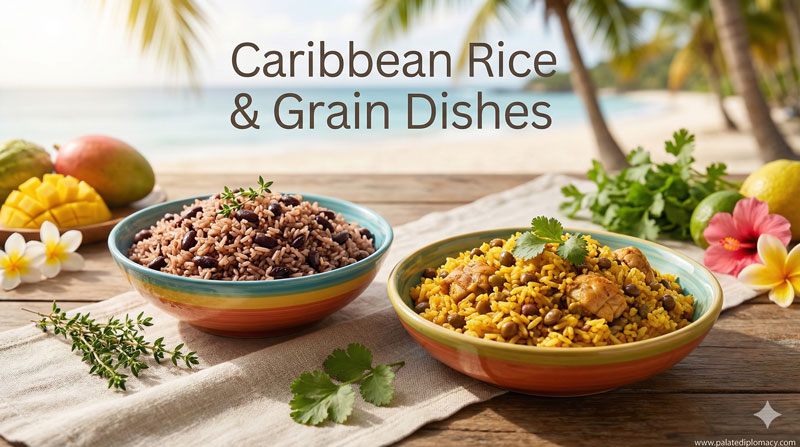
The Story Behind Pelau: A Caribbean Favorite
Pelau sits at the heart of Caribbean kitchens as a warm, welcoming dish. It gathers friends and family with its inviting aroma and hearty texture. The dish blends rice, pigeon peas, chicken, and coconut, all bathed in caramel notes and bright herbs. Its appeal comes from simplicity done well: a one-pot meal that feels both everyday and a celebration. First, cooks heat oil and begin a gentle sizzle of onions and peppers. Next, they brown the chicken, then add caramelized sugar to color the dish. The result is not just sustenance; it is a shared ritual that speaks to home and care.
Core Ingredients that Sing
Pelau rests on a few core friends: rice, pigeon peas (also called gungo peas), chicken, and coconut milk. Caramelized sugar adds a golden crust and depth, while thyme, garlic, and scallions lift the flavors. Some kitchens welcome hot peppers for a subtle kick, others favor milder warmth. The richness of coconut milk binds the ingredients with a creamy tail, yet bright herbs keep the dish lively. This balance—savory meat, earthy peas, and fragrant rice—defines pelau’s musicality on the plate. In every bite, you taste the region’s sun, tropical breeze, and generous spirit.
The Technique that Brings It All Together
The magic of pelau lies in technique as much as in ingredients. Begin with a hot pan to bloom aromatics and brown the chicken. Then, add a small amount of sweet caramel to color the grains and release deep flavors. The rice and peas meet coconut milk and a careful splash of water, all simmered until the grains stand tender. A final stir coats each grain with glaze and gentle fragrance. This method creates a cohesive, one-pot marvel where every component complements the others. The result is a dish that feels both crafted and comforting.
Pelau in Daily Life: From Home to Gatherings
Pelau shines in daily meals as well as on special occasions. It is a practical dish that nourishes busy families after long days and travels well to community events. In homes, it is often a symbol of care, a way to show welcome with a fragrant plate. Street stalls and market bites celebrate pelau too, turning the scent into a delicious invitation. The dish invites conversation and sharing, making every serving feel Like a small celebration of togetherness.
Regional Variations: A Taste of Home Across Islands
Across the Caribbean, chefs and home cooks adapt pelau to local tastes. In some places, the sugar contributes a deeper caramel crust, while others emphasize a lighter glaze. The choice of pepper heat changes the dish’s character, from gentle warmth to a brighter bite. Some versions pair pelau with fresh salads or pickled vegetables to introduce crisp contrast. Yet the heart stays the same: a one-pot dish that cozyingly unites protein, starch, and coconut into a single, satisfying plate. These small regional touches celebrate local produce and personal family memories.
Senses and Sharing: The Experience of Pelau
Taste an aroma that greets you before the first bite. The crackle of the caramel crust, the creamy coconut rice, the tender chicken, and the earthy peas make a harmony you feel in your senses. The dish invites slow, mindful eating, letting each flavor reveal itself. Plate pelau with a squeeze of lime or a light cucumber relish if you like, and you’ll notice how brightness lifts the richness. Sharing pelau becomes a small ceremony of gratitude—an everyday delight that carries joy from one table to another.
Honoring Pelau at Home: Tips for a Beautiful Dish
To honor pelau at Home, start with a good pot and patient heat. Build flavor step by step: caramelize gently, brown the meat, then release the aromatics with thyme and scallions. Use fresh coconut milk when possible for a clean, bright body. Let the rice absorb the rich juices slowly, and resist rushing the simmer. Finish with a gentle fold that keeps the grains separate and glossy. In the end, pelau offers beauty in its balance—comfort in its warmth, and pride in a dish that the kitchen keeps and the table shares.