
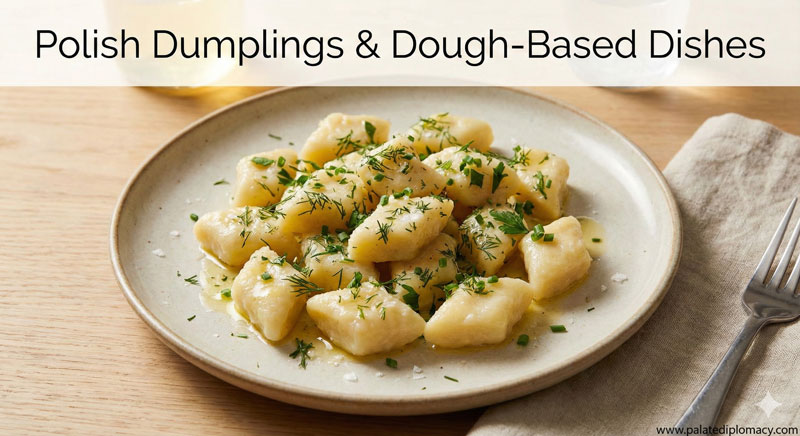
Why Pierogi Is One of Poland’s Most Loved Dishes
Pierogi sit at the heart of Polish kitchens as a dish of warm welcome. They symbolize a homey rhythm, where simple ingredients become something comforting and memorable. Each bite carries a sense of place, a reminder of shared meals, and the careful work of hands that have rolled dough for generations. This is why pierogi are cherished: they blend texture, aroma, and story into every plate.
The Dough: A Soft Foundation
The magic begins with the dough. A smooth, pliable circle requires only a few reliable ingredients: flour, a pinch of salt, water, and sometimes a small egg. The dough rests briefly, then is rolled very thin. When it is rolled just right, it yields a tender bite that holds a generous filling without tearing. The patience to rest the dough translates into a lighter, more forgiving texture once the pierogi are formed. A good dough feels welcoming in the hand and on the tongue.
Fillings: Classics and Creative Twists
Fillings are where the dish truly speaks to local flavors and family tastes. The classic potato and farmer’s cheese filling, known as ruskie pierogi, balances richness with delicate brightness. Cabbage and mushroom fillings offer earthy depth, while meat fillings provide a hearty counterpoint to the softness of the dough. Sweet pierogi, stuffed with fruit like berries or lightly sugared curd, sparkle with seasonal brightness. The beauty here is that fillings can honor simple pantry staples or celebrate the bright notes of fresh produce. Each family may have a signature combination, a small twist that makes pierogi feel personal and familiar.
The Making: Hands, Heat, and Patience
Crafting pierogi is a tactile ritual. After the dough rests, it is rolled, cut into rounds, and lightly dusted with flour. A small spoonful of filling sits on each circle, then the edges are pinched closed with care. Sealing well matters; a tight seal keeps the filling intact and preserves the dough’s tenderness. The pierogi are boiled until they rise gently to the surface, then removed with a slotted spoon. Some home cooks finish them in a hot pan with a touch of butter to add a gentle crisp. This sequence—roll, fill, seal, boil, and sometimes fry—makes the dish feel ceremonial in the best sense: a moment of focus, a pause, a shared plate.
Pierogi at Home and in Celebration
Pierogi shine most brightly in daily meals and in special gatherings. They appear on family dining tables for weekend lunches and on holiday tables when everyone gathers. The act of making pierogi—rolling dough, filling with care, passing tools across generations—becomes a quiet thread that weaves together people and memory. They invite conversation, laughter, and a sense of belonging. The plate itself is a canvas for conversation about who we are, what we eat, and how we nourish one another.
Regional Varieties: A Polish Palette
Poland’s geography and seasons shape its pierogi. Different regions celebrate distinct fillings and techniques while maintaining a shared love for the dish. In some areas, potato and cheese fillings predominate; in others, cabbage and mushrooms offer a robust, savory note. The use of fresh herbs, onions, dill, or chives adds bright aroma and personality. Across villages and towns, pierogi adapt to local produce, turning the same dough into many small versions of Poland’s culinary voice. This variety is not confusion but a celebration of local flavors within a cohesive tradition.
The Cultural Value: A Dish That Binds Generations
Pierogi carry meaning beyond taste. They connect generations through cooking rituals, shared recipes, and the careful passing of techniques. Children learn by watching elders pinch edges and judge the dough’s elasticity. Families tell stories while filling rounds, and the act of serving pierogi becomes a moment of care. In this way, pierogi are more than food; they are a living thread that keeps everyday life intimate, generous, and connected. The dish embodies hospitality, patience, and the joy of sharing a meal that has been loved for many seasons.
A Simple, Enduring Craft
What keeps pierogi enduring is their balance: simple ingredients, precise technique, and a warmth that comes from the kitchen. They honor the pantry’s modest gifts and elevate them with skill and tenderness. The result is a dish that feels both humble and refined, suitable for a quiet weeknight and generous enough for a celebration. Pierogi remind us that the best meals are often the slow, careful ones, crafted with care and shared with kindness.
If you seek a dish that embodies comfort, craft, and a sense of place, pierogi offer a welcoming invitation. They celebrate Polish culinary identity through texture, aroma, and the joy of gathering. In every bite, you taste a story of family, season, and tradition—made anew with each passing generation.