
Why Pierogi Is One of Poland’s Most Loved Dishes
Pierogi occupy a special place in Polish food culture. They appear on kitchen tables in quiet neighborhoods and in bustling markets alike. The dish feels both timeless and intimate, a small treasure that travels from family to family with every recipe card and shared story. This post looks at the cultural value and culinary significance of pierogi, and why they are cherished year after year. The magic sits in the balance: a tender dough that protects a bright filling, careful folding, and the warmth of being together.
First, pierogi are approachable. Yet they carry depth. The dough is simple—flour, eggs, a touch of salt, and water or milk. This plain foundation becomes a carrier for many flavors. Next, the seams and pleats tell a story of hands at work. Each dumpling becomes a tiny sculpture shaped by time, patience, and skill. Finally, when they are plated with care, pierogi invite smiles and conversation. The dish is more than sustenance; it is a ritual of nourishment for body and spirit.
Dough and Craft: The Everyday Art of Pierogi Making
The craft begins with dough. A soft, pliable mass rests briefly, then rests again as hands learn the rhythm of rolling. The goal is a thin sheet that holds its strength. A steady, light touch helps the dough keep its shape when filled. Folding follows, and here the technique shines. The edge is sealed with a gentle press or a careful pinch, leaving a neat crescent with decorative pleats. It is a small act of precision, but it adds character to each pierogi.
Dough and technique support many fillings. A short boil brings the dumplings to life, followed by a final toss in butter or oil to awaken aroma. Some cooks finish them in a hot pan for a light crisp. The result is a soft interior with a tender bite on the outside. This harmony of texture—silky dough, flavorful center, and a crisp edge—defines the dish’s signature feel. The process rewards patience and practice, inviting cooks to repeat and refine.
A Gallery of Fillings: Flavor Profiles Across Regions
Classic pierogi reveal a conversation between adventurous fillings and comforting staples. The favorite potato and cheese (twaróg) combination feels creamy and bright, often enhanced with fried onions. Cabbage and mushrooms provide earthy depth, a nod to seasonal pantry staples. Fruit fillings, such as cherries or blueberries, offer a sweet counterpoint and a touch of brightness for dessert courses. In some regions, a meat compliment appears, balancing savory richness with savory-sweet contrasts.
Regional variations highlight local harvests and traditions. The same dough becomes a canvas for different centers, from smooth cheese to hearty potato blends. The result is a flexible menu that travels well from everyday meals to festive tables. Whether served plain with a dab of sour cream or dressed with butter and herbs, pierogi adapt to the moment, making them familiar and exciting at once.
Pierogi at Home: Family, Gatherings, and Seasonal Traditions
Home kitchens fund pierogi’s enduring appeal. Families often pass down recipes with loving notes and careful tips. Rolling sessions can become social occasions, as siblings, parents, and grandparents share techniques and stories. In this sense, pierogi become a thread that weaves generations together.
Seasonal meals offer special moments for pierogi. On certain holidays and Sunday dinners, the dish appears as a communal project or a celebratory plate. On busy days, it also serves as a comforting, quick-to-prepare option that preserves a sense of home. The dish invites everyone to participate, lending warmth to the room even before the plate is set.
Pierogi in Polish Cuisine: A Bridge Between Everyday and Celebration
Pierogi sit comfortably in daily life and in festive settings. They bridge the ordinary and the special, making the ordinary meal feel Like a small event. Serving pierogi with a simple sauce or a more elaborate topping reinforces their versatility. They work well with sour cream, melted butter, or a drizzle of olive oil, and they pair with fresh herbs and caramelized onions for depth. The dish’s ease of customization helps it fit diverse occasions and tastes, strengthening its place in Polish food culture.
Serving Suggestions: Sauces, Toppings, and Presentations
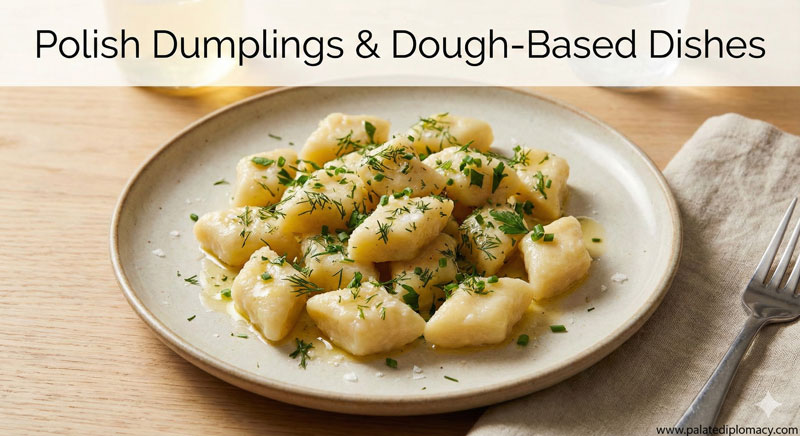
A thoughtful presentation adds to the dining experience. Pierogi look inviting when arranged in a neat row or stacked with care. A light drizzle of butter helps the edges glow, while a sprinkle of chives or dill adds color and brightness. Sour cream brings a gentle tang that complements both potato and cabbage fillings. For a sweeter finish, a touch of fruit compote or a dusting of powdered sugar suits fruit-filled dumplings.
Pairings matter, too. A fresh salad or crisp pickles can cut through richness, while a clear broth can accompany savory pierogi as a comforting starter. These simple choices honor the dish’s versatility and let its flavors speak clearly.
A Modern Spin: Pierogi in Contemporary Kitchens
Today, pierogi step into modern kitchens with inventive fillings that respect tradition while exploring new textures and flavors. Chefs experiment with mushroom and herb blends, spinach and cheese, or lentil-based centers for vegetarian menus. Creative shapes and color accents make the dish visually appealing without losing its core identity. Yet the essence remains: a pocket of comfort, made with care, shared with others.
In conclusion, pierogi’s enduring appeal lies in its balanced nature. It honors craft and season, it welcomes all diners, and it adapts to many tables, from everyday meals to holiday gatherings. By embracing simple ingredients, patient technique, and a spirit of hospitality, pierogi continue to be one of Poland’s most loved dishes.