
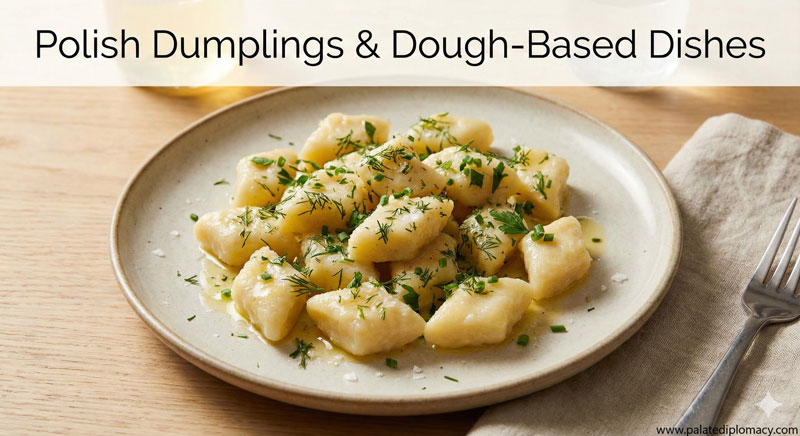
The Soul of Kluski Śląskie: Culture in a Dumpling
Kluski Śląskie is more than a plate of potato dumplings. It is a warm thread through Polish home life, woven with care, share, and memory. The dish speaks softly of place, season, and the patient craft passed from one generation to the next. In many families, a Sunday kitchen hums with the rhythm of potato peeling, dough mixing, and laughter. The result is a simple, comforting dish that invites conversation as much as it invites taste. This is the cultural heartbeat of Kluski Śląskie: a humble food that helps a family feel rooted, together, and hopeful.
Ingredients, Craft, and a Quiet Language of Potatoes
The ingredients tell a story of local abundance. Potatoes, flour, a pinch of salt, and sometimes a small egg or a touch of starch create a dough that holds its shape and takes on the heat of boiling water. In traditional practice, cooks rely on both cooked and raw potatoes to balance tenderness and structure. The dough is gently worked to a smooth, supple form, then rolled into small shapes. A gentle thumb press in the center forms the signature crater that catches a bit of sauce or melted butter. This small indention is more than appearance; it is a practical touch that helps the dumplings embrace flavor with every bite. The technique is patient and precise, yet forgiving enough for family members to learn together. The result is a quiet celebration of texture: soft, yielding interiors with a subtle elasticity that carries sauces with grace.
The Ritual of Making: A Bonding Practice
In many homes, making Kluski Śląskie is a family ritual. First, potatoes are washed, peeled, and boiled. Then they are mashed or riced, while another pot waits with hot water for the dumplings to swim. Next, the flat, fluffy dough is formed, cut into pieces, and gently rolled. Finally, each piece receives a thumbprint, becoming a small crater ready to catch sauce. The activity invites conversations: stories of harvests, memories of meals shared, and plans for the week ahead. Everyone has a role, from little hands helping to place dumplings on a floured surface to older hands steering the rolling pace. The process teaches care, balance, and patience—qualities that echo through family life beyond the kitchen.
Serving Traditions: Butter, Breadcrumbs, and Onions
Kluski Śląskie often travels from the pot to a warm plate where butter melts and aroma rises. The classic finish is a generous drizzle of browned butter, followed by a scattering of breadcrumbs for a gentle crunch. Fried onions or caramelized onions add sweetness and depth, while a light herb dusting can brighten the dish. In some homes, the dumplings accompany a rich gravy from roasted meats; in others, they pair with a simple drizzle of sauce and a bright side of pickled vegetables. The serving style is a small ceremony: place the dumplings with care, allow the butter to glaze every surface, and invite guests to savor the soft centers and the crisp edges. This is how a plate of Kluski Śląskie becomes a shared moment of hospitality.
Regional Pride: A Slice of Silesian Identity
Śląskie translates to “of Silesia,” and the dumplings carry a regional sense of pride. Silesia’s kitchens have a long tradition of turning humble ingredients into memorable meals. The dumplings reflect that pragmatism and warmth. Variations exist from family to family, district to district, but the essence remains the same: a durable, comforting food that sits at the heart of a kitchen table. The shape, the indentation, the way the dough yields to heat—all these details become markers of regional identity. The dish is a quiet testament to a culinary landscape where local produce and careful technique meet to create something beloved and lasting.
Seasonal Stories: Potatoes, Harvest, and Hearth
Potatoes are seasonal stars in many Polish homes, and Kluski Śląskie rides the rhythm of their harvest. In late summer and autumn, families gather to harvest fresh spuds, then turn them into dumplings for winter meals. The seasonal arc adds a layer of meaning: a harvest meal that celebrates what the land offers and the labor that brings it to the table. Even in Modern kitchens far from the fields, the dish preserves that connection to seasonality. When the cold weather arrives, the dumplings offer comfort and a sense of nourishment that feels both practical and soulful.
Modern Tables: Keeping Tradition Warm and Welcoming
Today, many households adapt Kluski Śląskie to fit contemporary life, while keeping its spirit intact. Home cooks may streamline the process with modern tools, or they may keep the ritual intact as a weekend project. The dish freezes well, allowing families to prepare an earlier batch for a quick future meal. Still, the heart of the dish remains the same: it invites people to gather, to share stories, and to experience a quiet joy in well-made food. By preserving this method and its gentle pace, families keep a living tradition that welcomes new cooks and new stories without losing its core warmth.
Texture as Story: The Language of the Bite
The texture of Kluski Śląskie speaks clearly. The interior is soft and tender, a comforting cushion that yields to a fork. The outer layer, touched by heat, offers a faint resistance and a delicate gleam. When paired with butter and breadcrumbs, the dumplings carry a simple richness that feels generous and honest. When served with a savory sauce, they become a vehicle for savoring a moment of togetherness. Texture here is not merely culinary; it is social language—a way to say, “We are here, and we are glad you joined us.”
How to Enjoy Kluski Śląskie: A Gentle Guide
- Start with a warm plate and a small bowl of melt-in-your-mouth butter.
- Add a pinch of breadcrumbs and a few sautéed onions for fragrance and texture.
- Pair with a meat dish or a light mushroom sauce to balance flavors.
- Savor the contrast between the pillowy dumplings and the crisp accents.
- Share the dish with family or friends, and notice how it fosters conversation and comfort.
A Dish That Nourishes Culture and Community
Kluski Śląskie stands as a quiet ambassador of Polish home cooking. It embodies patience, skill, and a sense of belonging. It invites cooks of all levels to join in the craft, to share in the meal, and to pass on a cherished method to the next generation. In every bite, there is more than nourishment; there is a sense of place, a link to tradition, and a promise that simple food can carry warmth across a table and through time. If you approach this dish with care and curiosity, you will discover how a small crater in a dumpling can open a world of flavor, memory, and hospitality.