
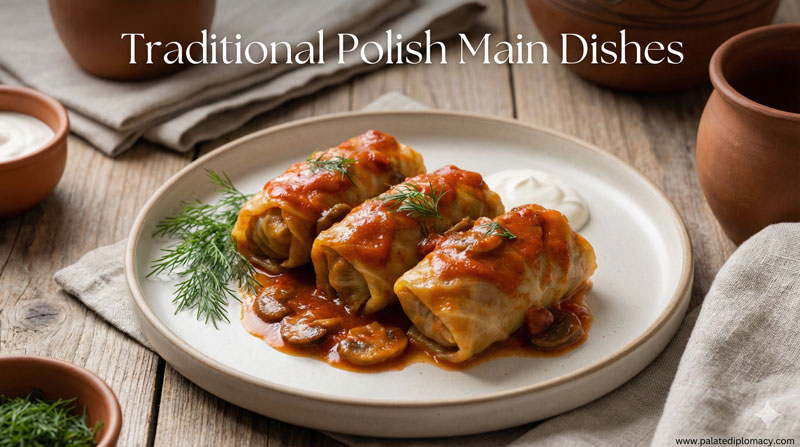
How Polish Families Traditionally Enjoy Zrazy
Zrazy is a beloved Polish dish built on simple, honest ingredients. Thin slices of meat are wrapped around savory fillings, then braised until tender. The result is a dish that feels Like a warm, welcoming hug from the kitchen. This article explores the cultural value and culinary significance of zrazy, focusing on how families honor their food through time-tested methods, shared work, and quiet moments around the table.
What Zrazy Really Is
Zrazy, in its classic form, is a rolled meat dish. The meat is pounded thin to become velvety and pliable. Fillings vary, but common choices include onions, pickled cucumbers, and a bit of smoky bacon or mushrooms. Some regional twists bring in egg, a touch of prunes, or fresh herbs. After layering the filling, cooks tightly roll the meat and secure it with string or toothpicks. The pieces braise slowly in a flavorful broth or gravy, which blends the meat juices with the fillings’ sweetness and tang. The finished zrazy arrive at the table as graceful cylinders, glistening with a rich coating and a comforting aroma.
A Ritual of Preparation
First, families gather in the kitchen, a space where memories mingle with the scent of simmering ingredients. Next, a trusted adult demonstrates how to flatten the meat and spread the fillings evenly. Then, younger cooks learn to roll carefully, keeping the shape tight so the filling stays inside. Finally, the rolls are tied or skewered and placed into a pot to braise. Throughout this process, conversations flow about the day, little jokes are shared, and patience is common. This ritual turns cooking into a learning moment and a small ceremony of care. It is common for grandparents to pass down tips on choosing the right cuts, balancing salt and sweetness, and knowing when the sauce has reached its perfect depth.
Fillings, Techniques, and Regional Touches
The beauty of zrazy lies in its fillings and the way regional preferences shape the dish. A classic combination includes onions for sweetness, pickled cucumbers for brightness, and bacon or lard for depth. Mushrooms add earthiness, especially when they’re sautéed until they release their aroma. Some cooks add a layer of egg for a firmer bite or a whisper of horseradish for warmth. Regions influence small choices: dill or marjoram may brighten the filling, while bay leaves and peppercorns color the braising liquid. The technique remains the same: flatten, fill, roll, tie, and braise. The result is a tender roll that carries multiple flavors in balance, each bite offering a gentle contrast between meat, tangy pickles, and savory fat.
Serving and Table Moments
Zrazy shines at the center of the table, often accompanied by potatoes—boiled, mashed, or roasted—and a sturdy starch like kluski, kluski śląskie, or dumplings. A ladle of the braising liquid becomes a sauce that coats both the meat and the sides, tying the plate together. The social element matters as much as the flavor: passing the dish around the table, offering seconds, and sharing a calm moment after the meal. In many homes, a simple green salad or pickled vegetables provides a crisp counterpoint to the rich rolls. The act of serving zrazy becomes a small celebration of home life and daily nourishment.
Seasonal Rhythm and Family Feeling
Zrazy is often linked to the seasonal rhythms of a household. In autumn and winter, the dish offers warmth and heartiness, matching the mood of longer evenings and cooler days. In spring and early summer, lighter fillings and fresh herbs can refresh the profile while preserving the dish’s comforting essence. Whatever the season, zrazy tends to be a dish prepared for gathering—on weekends, during family visits, or for a meal that marks a special occasion. The shared effort to create something so comforting builds a sense of continuity and belonging, a reminder that food carries memory as surely as it carries flavor.
Regional Variations and Local Pride
Poland’s diverse landscapes give rise to small but meaningful variations. Coastal and lakeside kitchens might emphasize fresh herbs and lightly pickled vegetables, while inland kitchens lean into earthy mushrooms and robust broths. Some families use pork or a mix of meats for the rolls, adjusting the fat and richness to suit local preferences. The braising liquid often reflects local pantry staples: a splash of beer, a touch of tomato, or a simple mushroom gravy. Across regions, the core idea remains intact: a rolled, filled piece of meat that carries the soul of home in its folds. This diversity invites curiosity and respect for each household’s method, proving that a single dish can hold many stories.
The Cultural Value of Zrazy
Beyond flavor, zrazy embodies a cultural practice of care and craftsmanship. It teaches patience, balance, and attentiveness to textures and aromas. Families pass down techniques—from pounding meat to judging the right moment for the roll, from selecting fillings to timing the braise. The dish also models generosity: a meal prepared with care for loved ones becomes a shared memory, something repeated and renewed with every generation. In this way, zrazy serves as a culinary bridge, linking cooks and diners through a familiar routine that remains deeply comforting and widely appreciated.
Tips for Keeping the Tradition Alive
- Involve everyone: assign a small task to each family member, from prepping vegetables to tying the rolls. This keeps the tradition lively and inclusive.
- Choose meaningful fillings: start with onions, pickles, and bacon, then gradually explore regional twists that reflect your family’s story.
- Respect the braise: give the rolls time to mingle with the broth; patience here enhances tenderness and depth of flavor.
- Plate with care: present zrazy with a simple garnish and a generous pour of the sauce to honor the dish’s generous spirit.
- Create a memory ritual: during the meal, share a brief story about a favorite family moment connected to zrazy. It reinforces the dish’s cultural meaning.
Conclusion: A Dish of Warmth and Continuity
Zrazy extends beyond sustenance. It is a practice of care, a craft learned from elder hands, and a ritual that gathers people around the table. Each roll tells a quiet story of family, home, and shared taste. When Polish Families share zrazy, they are not just serving food; they are inviting others into a tradition that values quiet precision, hospitality, and the simple joy of a well-made meal. In this way, zrazy remains not only a cherished dish but also a living link to everyday culture and the beauty of culinary craft.