
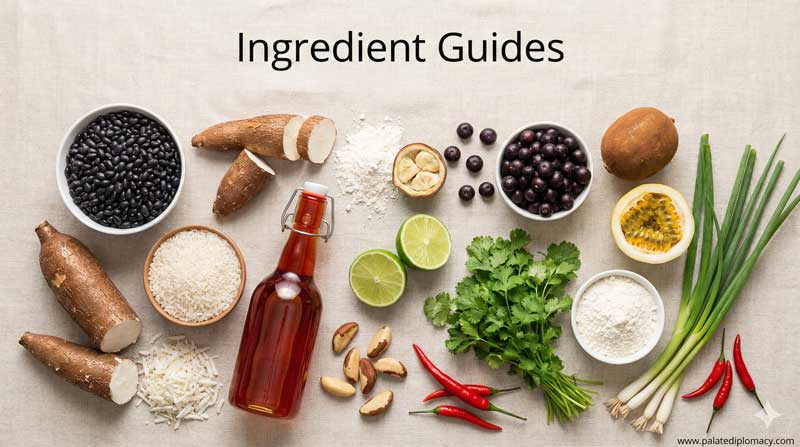
Discovering Polvilho: The Heart of Brazilian Culinary Tradition
Polvilho, also known as tapioca starch, is a fundamental ingredient in Brazilian Cuisine. Its smooth, white, powdery texture might seem simple, but this humble starch carries a rich cultural heritage and culinary significance. For centuries, it has been woven into traditional recipes that celebrate Brazilian flavors and techniques. Exploring polvilho offers a glimpse into the vibrant world of Brazilian culinary arts, showcasing its importance beyond mere ingredients.
The Cultural Significance of Polvilho
Polvilho is more than just a starchy product; it is a symbol of Brazilian culinary identity. Its origins trace back to indigenous practices, where native communities processed native tubers into a versatile flour. Over generations, polvilho became a staple ingredient, especially in the southeastern regions of Brazil. It reflects the ingenuity of local food traditions, emphasizing simplicity, resourcefulness, and a deep connection to the land.
In Brazilian culture, polvilho is cherished for its ability to bring people together. It forms the backbone of many traditional snacks and dishes, such as pão de queijo (cheese bread) and biscoitos de polvilho (polvilho biscuits). These foods are more than sustenance; they are expressions of communal joy, shared stories, and cultural pride. When prepared and enjoyed, polvilho connects communities through a shared culinary heritage that has persisted through generations.
Culinary Significance: A Foundation for Delicious Creations
In the culinary landscape of Brazil, polvilho holds a place of honor. Its unique properties—light, airy, and elastic—allow chefs and home cooks to craft a variety of textures and flavors. One of the most iconic uses is in pão de queijo, a beloved cheese bread renowned for its chewy interior and crispy exterior. The starch’s elasticity gives the bread its characteristic stretchiness, making each bite a delightful experience.
Polvilho also lends itself well to creating crisp, flavorful snacks like biscoitos de polvilho. These treats showcase the versatility of tapioca starch, offering a light crunch with a subtle hint of salt or sweetness. Its neutral flavor makes it an excellent base for adding herbs, spices, or cheeses, enabling a wide range of culinary creativity.
Moreover, polvilho’s gluten-free nature makes it an inclusive ingredient suited for diverse dietary needs. Its ability to produce airy, tender textures without wheat enables bakers and chefs to explore new horizons in gluten-free baking. The starch’s adaptability has helped it gain popularity beyond Brazil, inspiring innovative recipes worldwide.
The Unique Qualities of Polvilho
What sets polvilho apart is its remarkable ability to transform into various textures depending on how it is processed. There are two main types: sweet (doce) and sour (azedo). Sweet polvilho is milder and often used for baked goods, while sour polvilho has a tangier flavor, essential for certain recipes like pão de queijo, where it contributes to the bread’s elasticity and rise.
Its fine, powdery consistency makes it easy to incorporate into recipes, ensuring a smooth batter or dough. When heated, polvilho’s starch molecules gelatinize, giving baked goods their signature chewy and airy qualities. This transformation highlights its crucial role in achieving the perfect texture that defines many traditional Brazilian dishes.
Embracing Polvilho in Modern Cuisine
Today, polvilho continues to inspire chefs and home cooks around the world. Its cultural depth and culinary versatility make it a treasured ingredient in contemporary kitchens. From traditional recipes to innovative fusion dishes, polvilho bridges the past and present, carrying forward Brazil’s rich food heritage.
Whether used to craft classic pão de queijo or experimented with in new culinary creations, polvilho remains a symbol of Brazilian culinary ingenuity. Its ability to connect people through shared flavors and stories highlights its enduring significance. As more food enthusiasts explore different cuisines, polvilho’s charm continues to grow, inviting everyone to experience a taste of Brazil’s vibrant food culture.
Final Thoughts
Polvilho is more than tapioca starch; it is a cultural treasure that embodies the essence of Brazilian culinary tradition. Its role in creating beloved snacks and dishes underscores its importance in everyday life and festive occasions alike. As you discover the flavors and textures that polvilho offers, you unlock a deeper appreciation for Brazil’s rich food heritage. Embrace this humble ingredient and celebrate its beauty—because in every grain of polvilho, there is a story of tradition, community, and culinary artistry.