
Introduction
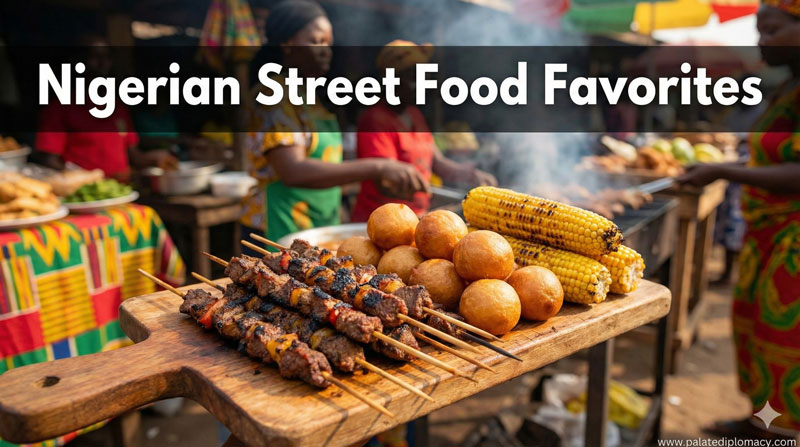
Puff puff is more than a snack. It is a warm, welcoming bite that shows up in markets, at family gatherings, and on weekend street corners. This guide celebrates its cultural value and culinary significance. By exploring how puff puff is made, shared, and enjoyed, you’ll see why it feels Like a small celebration in every bite.
What is Puff Puff?
Puff puff is a fluffy fried dough ball. It is usually made with flour, sugar, yeast or baking powder, water, and a pinch of salt. The dough rests briefly, then is dropped into hot oil and fried until golden. The result is a tender, airy center with a light crust. The texture invites you to savor it slowly or bite in for a quick, satisfying moment.
How Locals Enjoy Puff Puff
Locals enjoy puff puff in many friendly ways. Freshly fried puff puff is often sold warm in markets and street stalls. Some people dust it with a little sugar for a gentle sweetness, while others dip it in a pepper sauce or enjoy it with a spoon of peanut sauce. In homes, puff puff can be part of breakfast or a late-afternoon treat. In different towns, cooks add regional touches—vanilla, nutmeg, or a hint of coconut milk—to create subtle flavor twists. The common thread is simple pleasure, shared with neighbors and visitors alike.
Texture and Sensory Appeal
The aroma is inviting: warm dough, a hint of sweetness, and the comforting smell of fried food. Inside, puff puff is soft and pillow-like; outside, it carries a light crisp. The contrast between the tender center and the delicate crust makes each bite satisfying. The experience is about balance—comfort food that feels familiar and inviting.
Occasions and Cultural Role
Puff puff shines at daily moments and festive gatherings alike. It appears in busy markets, during family celebrations, and at casual visits with friends. It is a quick, shareable treat that brings people together. Because puff puff is easy to make in small batches, it suits impromptu gatherings as well as planned occasions. Its presence signals warmth, hospitality, and a moment to enjoy good company.
Variations and Regional Flavors
While the core recipe stays the same, regional twists abound. Some cooks adjust sweetness levels, add spices like cinnamon or cardamom, or substitute a portion of flour with mashed yams or plantains for a different texture. Savory versions exist too, where the dough carries a faint saltiness or is paired with savory dips. These small changes reflect local tastes and the creativity of home cooks and street vendors alike.
How to Experience Like a Local
- Seek freshly fried puff puff from a trusted market stall or bakery. Freshness matters for flavor and texture.
- Observe the oil temperature; smooth frying results in a uniform, pale golden color and a light crust.
- Try a small sample with a classic dusting of sugar, then explore a dip or sauce if offered.
- Pair puff puff with a warm drink like tea or cocoa to enhance the comforting feeling.
- Note the social setting: sharing puff puff with friends or family is part of the experience, not just the food itself.
Pairings and Beverages
Puff puff pairs well with beverages that are comforting and warm. Tea, cocoa, and coffee are popular choices. A light fruit juice can balance the sweetness for some palates. For a richer tasting, try it with a peanut or almond sauce on the side, as some vendors offer.
Conclusion
Puff puff stands as a small and meaningful expression of everyday culture. It blends simple ingredients with a moment of indulgence, turning a snack into a shared experience. By exploring its textures, flavors, and the ways people enjoy it, you gain a deeper appreciation for a Beloved Dish that brightens daily life and gatherings alike. Welcome the aroma, savor the bite, and celebrate puff puff as a cherished part of the cuisine and community.