
A Complete Guide to Enjoying Pyzy Like a Local
Pyzy are a beloved Polish dish built on the humble duet of potato and flour. They carry warmth, family stories, and a sense of place. This guide invites you to savor pyzy Like a local—through texture, flavor, and the simple rituals that surround a small, comforting plate.
What are Pyzy? A Local Classic
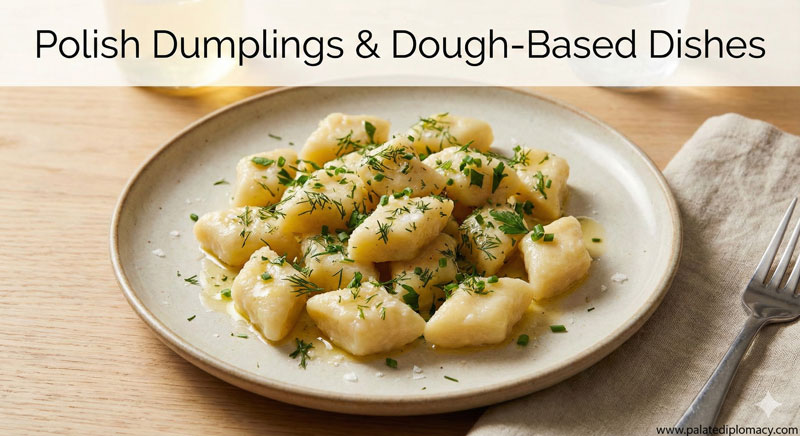
Pyzy are large potato dumplings. They differ from pierogi in size and shape, and from kluski by their heft and dough texture. The dough is mostly mashed potatoes, flour, and a hint of salt. Some cooks add egg to bind. The result is a dumpling that is firm enough to hold its shape, yet tender inside. When boiled, the exterior glistens with steam; the inside reveals a soft, almost creamy bite. Fillings vary, but many homes serve pyzy with meat, cheese, or mushrooms. The simplest version, plain with a kiss of butter or breadcrumbs, shines because it lets the potato flavor sing.
Cultural Value: A Dish of Home, Family, and Place
Pyzy appear at family dinners, Sunday lunches, and festive tables. They symbolize welcome and comfort. Cooking pyzy is often a family affair: grandparents pass down the trick of shaping them, parents manage the boil, and children learn the rhythm of the kitchen through small helpers. The dish invites conversation about recipes and memories, making the table a place where generations connect. In many towns, pyzy are tied to harvest time and seasonal markets, where farmers trade fresh potatoes for other essentials. The aroma of boiling dumplings, onions sizzling in fat, and a light dusting of herbs brings a sense of belonging. Enjoying pyzy is not just about filling the stomach; it is about joining a time-honored tradition that honors careful preparation, patience, and shared meals.
Regional Variations Across Poland
Poland’s regions add subtle colors to pyzy. In the south, you might find pyzy with a heartier meat filling, served with a mushroom or onion gravy. In the east, dumplings may adopt a softer texture, paired with a tangy sour cream or a dill finish. The north and central areas often favor simpler, robust flavors: warm dumplings resting on a bed of browned onions and a light broth. Shapes can vary from round to slightly flattened, depending on the cook’s hand and the local vibe. Regardless of the region, the core is the same: a potato-based dumpling that delivers comfort through a balanced, honest flavor.
How Locals Enjoy Pyzy: Traditions and Serving Styles
Locals treat pyzy as a dish that shines when properly seasoned and served at the right moment. Common accompaniments include:
- Butter or lard, melted over warm pyzy so the surface gleams and the inside stays soft.
- Crispy onions or breadcrumbs, sprinkled on top for a toasted aroma and gentle crunch.
- Sauces or gravies made from meat or mushroom stock, offering depth without overwhelming the potato.
- A dollop of sour cream in some households, adding a cool counterpoint to the warm dumplings.
Eating tips from locals:
– Serve pyzy hot, straight from the pot. The heat helps release aroma and keeps the interior tender.
– Slice each dumpling with a gentle press to appreciate the soft center and the firm outer edge.
– Pair with a simple green herb, such as dill or parsley, to brighten the plate without stealing the potato’s charm.
– Share a story about the recipe or the day’s harvest as you begin to eat. The moment adds flavor to the meal.
Cooking at Home: A Simple Guide to Authentic Texture
If you want to cook pyzy at Home and capture that local essence, start with good potatoes. Starchier varieties yield a lighter dumpling. Here’s a concise method:
- Mash cooled, boiled potatoes until smooth. Let them cool slightly to avoid a gummy dough.
- Mix in flour gradually. The dough should be strong but not stiff. You may add a beaten egg if the dough feels too crumbly.
- Shape the dough into large rounds. They should be compact but not dense.
- Boil in salted water until they float and then a minute more to ensure tenderness.
- Meanwhile, sauté onions in a little fat until golden.
- Drain the pyzy and serve with onions, butter, and your choice of sauce or gravy.
Tips for success:
– Do not overwork the dough; gentle folding preserves a light texture.
– If the dumplings stick, dust your hands lightly with flour as you shape them.
– Fresh potatoes give the best flavor; if you must use leftovers, adjust the salt accordingly.
Pairings, Occasions, and Seasonal Notes
Pyzy pair well with vegetables that offer brightness and contrast. A crisp cucumber salad or steamed greens balances the richness. For a heartier meal, beef or mushroom gravies provide a savory counterpoint. In some homes, pyzy appear with seasonal fillings or toppings, echoing the harvest and the farmer’s market bounty. Summer feels light and fresh; winter meals feel cozy and nourishing. The dish adapts to the season, inviting you to explore variations while staying true to the essence of potato and warmth.
A Soft Guide to Enjoying Like a Local
To savor pyzy as locals do, focus on the experience as much as the taste. Respect the plate’s balance: potato, onion, and a touch of fat should feel harmonious, not overwhelmed. Let steam rise as you lift a dumpling, noticing the scent of potato, butter, and herbs. Share a moment of appreciation for the craft—how a simple dough becomes a comforting emblem of home.
Conclusion: Welcome to the World of Pyzy
Pyzy are more than food. They are a friendly invitation to slow down, join others at the table, and celebrate a region’s culinary craft. By exploring regional variations, honoring traditional methods, and appreciating the dish’s cultural warmth, you gain a richer connection to Polish food culture. Enjoy pyzy with a sense of curiosity, and you’ll find that each bite carries a story you can taste.