
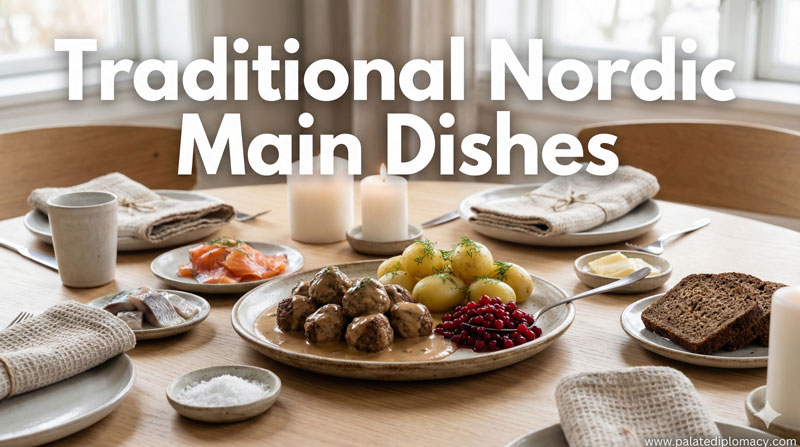
Introduction: A window into Nordic food culture
Reindeer stew invites you into the Heart of Nordic kitchens. It shows how cooks honor local ingredients and the seasons. The dish blends simple technique with aromatic forest flavors. It stands as a warm, communal bowl that families pass down with pride. In short, it is a delicious way to understand Nordic culinary values.
The meat and its meaning
Reindeer meat is lean, tender, and deeply connected to northern landscapes. People use it because it thrives in cold climates and supports steady, respectful hunting. The meat carries a quiet richness that welcomes gentle seasoning. This stew treats the animal with care, letting its natural flavor shine. In this way, the meat reflects a straightforward, season-first approach to cooking.
Cooking method: simplicity that builds flavor
The heart of the dish is a slow, steady braise. First, a soft sweetness comes from onions and carrots. Next, the meat joins the pot and browns slightly, releasing its aroma. Then, stock or water adds depth, while bay leaves and juniper berries lift the aroma. Finally, potatoes or other root vegetables thicken the stew as it finishes. This patient method mirrors Nordic patience and attention to where ingredients come from.
Regional variations: a common thread with diverse notes
Norway, Sweden, and Finland share this dish, yet each region adds its own touch. In Finland, poronkäristys is often served with mashed potatoes and lingonberry sauce, adding a tart counterpoint. In Sweden, people sometimes include dill or a splash of cream for a silky finish. Norway may emphasize forest mushrooms and parsley to brighten the bowl. Across these variations, the core idea remains: a comforting, stove-warm meal that respects local bounty.
Seasonal cadence and social dining
Winter meals invite slow cooking and generous servings. The stew becomes a centerpiece for family gatherings and friendly neighbor visits. Steaming bowls invite conversation, stories, and shared warmth. This ritual reinforces hospitality, a central value in Nordic life. The act of ladling the stew strengthens community ties.
Pairings and flavor philosophy
Serve the stew with simple, sturdy sides. Boiled or mashed potatoes provide a gentle, comforting foundation. Lingonberry sauce or a dollop of creamy dairy complements the meat’s mineral notes. Dark rye bread can mop up the last, savory bits. The overall balance favors clean, pure flavors that honor the ingredients.
Sustainability and respect
Cooks aim for mindful sourcing and efficient use of ingredients. Local, responsibly hunted reindeer supports a small-scale, steady food system. Leftover vegetables join the pot or become a gentle hash the next day. This approach highlights a practical and respectful kitchen ethic that mirrors Nordic care for the land.
A dish with story: memory and hospitality
Many households associate reindeer stew with shared meals and gentle winter evenings. The aroma fills the home and creates a sense of belonging. Recipes are handed down with notes of memory and place. Each family adds its own small touch, keeping the dish alive and personal. In this way, the stew becomes more than food; it is a cultural memory.
Conclusion: embracing a Nordic culinary voice
Reindeer stew embodies Nordic Food Culture through restraint, seasonality, and heart. It demonstrates how a simple dish can be generous and inviting. When you savor it, you taste heritage, careful sourcing, and a warm sense of place. This stew invites you to celebrate the beauty of Nordic cooking, one comforting spoonful at a time.