
How Reindeer Stew Reflects Nordic Food Culture
Reindeer stew is more than a meal. It mirrors Nordic Food Culture, where land, season, and craft shape flavor. The dish invites us to notice how simple ingredients become meaningful together. It also shows how cooking can honor place, family, and tradition. In this post, we explore the cultural value and culinary significance of reindeer stew, from its essential ingredients to the way it is shared.
Core Ingredients and Culinary Language
The core of the dish is reindeer meat, lean and deeply flavored. It pairs with sturdy root vegetables like potatoes and carrots, plus onions for sweetness. Mushrooms add earthiness, while aromatics such as juniper berries, bay leaves, or pepper provide a bright, forest-inspired note. A splash of cream or sour cream lends smoothness to the sauce. This combination creates a flavor language that feels distinctly Nordic: clean, hearty, and comforting. The ingredients speak to a tradition of using local, seasonal produce with respect for the land’s gifts. Each bite carries a sense of place and careful preparation.
The Craft of Slow Simmering and Flavor
Reindeer stew thrives on patient cooking. Start by browning the meat to develop depth, then braise slowly in broth or water with vegetables. As the dish simmers, flavors blend and the meat becomes tender. Slow cooking mirrors a cultural preference for thoughtful, deliberate practice in the kitchen. The result is a sauce that envelops vegetables and meat in harmony, finished with a soft kiss of cream. The technique celebrates restraint and balance, letting natural sweetness emerge without overpowering the dish.
Food, Family, and Seasonal Rhythm
This stew belongs to winter kitchens and the seasonal cycle. It is often shared after a day spent outdoors, perhaps after a brisk walk or a moment by the fire. The act of cooking and serving together turns a meal into a small ceremony of hospitality. The hearty portions and nourishing flavors fit the season’s needs, offering warmth and comfort. Through preparation and sharing, the dish reinforces a sense of belonging and mutual care, hallmarks of Nordic dining culture.
Regional Variations and Nordic Table Etiquette
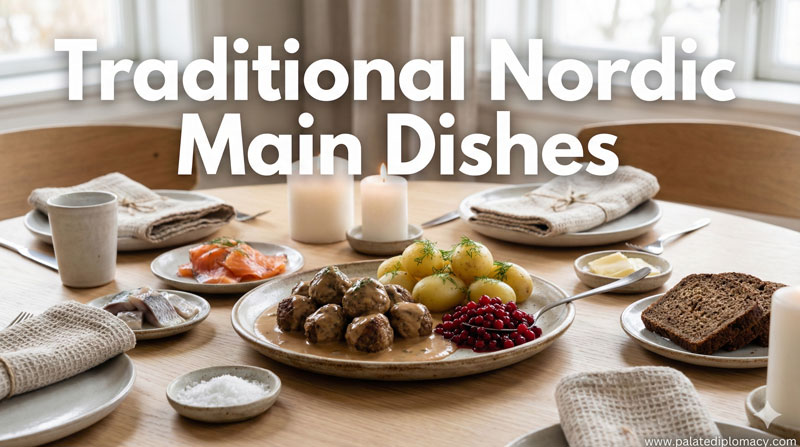
Across Finland, Sweden, Norway, and neighboring regions, cooks adapt reindeer stew with local herbs and berries. Lingonberries or cloudberries can brighten the plate with a tart counterpoint. Accompaniments commonly include rye bread, flatbread, or mashed potatoes, each contributing texture and balance. The way the pot is passed at the table, the care in ladling sauce over vegetables, and the gentle pace of a shared meal all reflect Nordic table etiquette: calm, considerate, and communal. The variations honor local gardens and forests while keeping the dish firmly rooted in tradition.
Modern Reimaginations and Enduring Value
Today, chefs and home cooks reimagine reindeer stew with new spice blends, vegetables, or cooking methods, yet the core idea remains: lean meat, honest vegetables, and a unifying, creamy sauce. The dish travels well into contemporary kitchens, offering both comfort and a sense of cultural continuity. At its heart, reindeer stew celebrates resilience, craftsmanship, and regional pride. It remains a bridge between time-honored technique and modern palate, inviting both respectful tradition and gentle innovation.
A Invitation to Experience Nordic Food Culture
If you try reindeer stew, you taste more than flavor. You taste a tradition that honors land, season, and shared meals. You feel the careful balance of ingredients designed to sustain body and spirit through cold days. You hear the quiet joy of a table where everyone contributes to the pot and to the conversation. In this dish, culinary craft and cultural value meet in a lasting, welcoming welcome to Nordic food culture.