
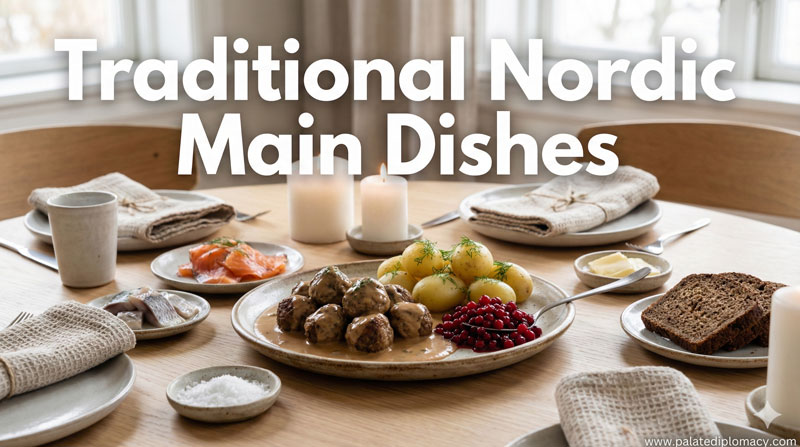
Introduction: A Nordic Tale on a Plate
Reindeer stew is more than a warm meal. In Nordic kitchens, it opens a doorway to season, craft, and community. The dish blends straightforward technique with a sense of place. It invites cooks and guests to slow down, taste the land, and notice how simple ingredients come together with care. In every simmer and stir, the stew carries a quiet celebration of regional flavors and everyday hospitality.
The Meat and the Land: Reindeer as Part of Nordic Identity
Reindeer meat speaks of the northern landscape. It comes from herds that roam forests, moors, and open snows, each bite carrying a memory of terrain and climate. The meat is lean, but it becomes rich and tender through careful cooking. This connection to the land shapes the dish’s character. When cooks braise the meat gently, they honor the rhythms of winter, harvest, and renewal. The result is a stew that feels rooted in place and season, not hurried or improvised, but earned through patience and respect for the animal and its habitat.
The Building Blocks: Flavor, Seasonality, and Texture
What Makes this stew special is its balance of elements. You’ll often find tender reindeer meat, earthy root vegetables like carrots and potatoes, and aromatic onions. Juniper berries or bay leaves add a piney depth that echoes northern woods. Mushrooms contribute earthiness, while cream or a touch of sour cream adds a gentle richness. The broth or stock forms a warm, welcoming base. Together, these parts create a harmony of savory, herbal, and creamy notes. The vegetables provide sweetness and structure, while the meat offers depth and chew. The dish remains comforting without being heavy, inviting nourishment and conversation in equal measure.
Techniques that Elevate the Dish: From Browning to Braise
Cooks elevate reindeer stew through a few simple steps. First, they brown the meat to develop a deep, meaty flavor. Next, they deglaze the pot to lift those caramelized bits from the bottom. Then they simmer slowly with stock, aromatics, and vegetables. Low heat and steady time break down connective tissue, producing a tender bite and a sauce that clings to each piece. Thickening often comes from a light roux, a splash of cream, or a touch of rye flour, chosen to add body without heaviness. The result is a glossy, comforting sauce that coats potatoes and vegetables evenly. Clear transitions in cooking timing—browning, deglazing, simmering, and finishing—keep the process approachable and precise.
Regional Voices: Sweden, Norway, Finland, and Sami Traditions
Across Nordic countries, you’ll hear different voices in the same dish. In Sweden, a touch of lingonberry or sour cream can brighten the sauce, echoing the country’s love of tart fruit alongside creaminess. In Norway, a softer herb note may appear, with a focus on root vegetables that grow in high latitudes. Finland often brings a creamy finish and a lean toward rye or barley thickening, which adds a subtle nutty aroma. The Sami traditions inspire a sense of seasonal abundance, with berries and herbs gathered as part of a larger table of wild flavors. Yet the core idea remains the same: slow cooking that respects meat, vegetables, and spice. The stew acts as a culinary thread that links families, farms, markets, and kitchens across the region.
Shared Tables: How Reindeer Stew Shapes Social Cooking
This dish shines at gatherings. A pot on the stove invites conversation, stories, and shared effort. Families take turns tending the simmer, tasting, and adjusting seasoning together. The aroma travels through rooms and corners, inviting guests to pause and connect. In many homes, the stew appears at weekend meals, holiday tables, and seasonal feasts. It is a dish that travels easily from household to dining room, reminding everyone that cooking is a form of care. The act of serving—sharing stew with friends, neighbors, and relatives—turns a meal into an occasion for warmth and belonging. In this way, reindeer stew becomes a cultural touchstone, linking generations through taste and memory.
Modern Interpretations and Sustainable Cooking
Today, cooks honor tradition while embracing sustainable practices. The dish adapts to new ingredients without losing its core identity. Some chefs experiment with different herbs, milder spice notes, or lighter sauces to suit contemporary palates, while preserving the method of slow braising. Seasonal vegetables replace or supplement staples as markets offer fresh harvests. The choice of meat can reflect local sourcing, ensuring that the dish remains connected to current farming and herding practices. In all cases, the emphasis stays on balance, technique, and respect for the ingredients. Reindeer stew remains a bridge between time-honored methods and modern, thoughtful kitchen craft.
Pairings and Seasonal Notes: How to Present the Dish
When served, reindeer stew sings with simple accompaniments. A crusty loaf or dense rye bread is ideal for dipping into the luscious sauce. A light greens salad offers contrast and balance. For beverages, a mildly acidic beverage or a glass of water allows the flavors to shine. In winter, a steaming bowl next to a window can feel especially comforting, echoing long evenings and bright spices that ward off the chill. In spring or early autumn, a fresh herb garnish can lift the aroma and remind us of lighter days. These choices reinforce the dish’s role as a centerpiece that welcomes, rather than overwhelms, the senses.
Conclusion: The Beauty of Nordic Reindeer Stew
What makes reindeer stew special in Nordic cooking is not a single trick but a quiet constellation of ideas. It is a dish that honors land, season, and skill. It celebrates the practice of slow, attentive cooking and the joy of sharing a pot with others. It offers a window into the region’s values: simplicity, balance, and hospitality. By savoring this stew, you glimpse a culture that values tradition while inviting fresh perspectives. In every spoonful, the dish narrates a respectful, inviting, and delicious story of Nordic culinary culture.