
The Story Behind Reindeer Stew, a Nordic Food Favorite
The Story Behind Reindeer Stew, a Nordic Food Favorite, invites readers to linger at the stove and in the kitchen. This dish carries a sense of place, season, and shared meals. It speaks to patience, skill, and the joy of turning simple ingredients into something memorable. In this post, we explore its cultural value and culinary significance with care and clarity.
A Nordic Comfort Dish
Reindeer stew is a warm invitation after a long day. Chefs and home cooks alike choose lean, tender meat and let it rest in a fragrant broth. The base usually includes onions, carrots, and potatoes that soften as they simmer. Aromatics like bay leaves, juniper berries, and a hint of thyme add depth. The result is a velvety, hearty dish that nourishes both body and mood. It is a staple in winter menus and a favorite during festive gatherings.
Core Ingredients and Techniques
Cooks select reindeer meat for its lean, rich flavor and its ability to become tender with slow cooking. They brown the meat first to build a rich foundation. Next, they add vegetables that melt into the sauce over time. Stock or water brings the pot to life, while herbs provide a gentle aromatics chorus. A splash of cream or a drizzle of butter at the end adds smoothness and balance. The key is slow simmering, which coaxes sweetness from the vegetables and depth from the meat.
Cultural Significance Across Nordic Kitchens
Reindeer stew sits at the center of many Nordic kitchens as a shared, seasonal pleasure. In Finland, Sweden, Norway, and parts of northern Scandinavia, families tell stories around the pot as aromas rise through the house. The dish links people to the land and to traditional practices of harvesting, preparation, and care for the animals that provide meat. It is common to see variations that reflect local ingredients and family memories, yet the core idea remains the same: nourishment tied to community and season. The stew also complements other regional flavors, such as wild berries, mushrooms, or rye bread, highlighting a broader Nordic pantry.
Seasonal Moments and Shared Meals
The warmth of reindeer stew mirrors the long light of late spring and the deep quiet of winter. In winter, cooks crave the slow, patient simmer that makes the kitchen glow with fragrance. In autumn and early winter, families often prepare larger batches to share with neighbors, friends, and visiting relatives. The act of serving a steaming bowl creates a pause for conversation, laughter, and gratitude. These moments turn a recipe into memory. The dish thus becomes more than sustenance; it becomes a ceremony of togetherness.
Regional Variations and Craft
Across regions, cooks adapt the recipe to local tastes while preserving the essence. In some areas, carrots are joined by parsnips or turnips for extra bite and sweetness. Others favor a lighter touch of cream or a dairy-free finish with a touch of oil. Juniper berries, bay leaves, and rye bread crumble often appear in different proportions, offering subtle contrasts. These variations honor local foraging traditions and family preferences. Yet the Heart of the dish remains a braised, comforting stew that celebrates the land and the people who tend it.
Pairings and Serving Traditions
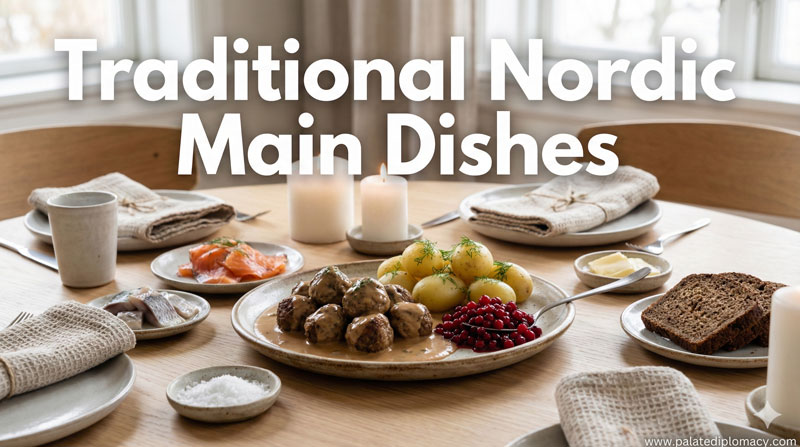
Reindeer stew shines when plated with simple, hearty accompaniments. Boiled or mashed potatoes provide a mellow counterpoint to the rich sauce. Lingonberries or cloudberries bring a bright tart sweetness that lifts the palate. A slice of dense rye bread soaked with the stew’s broth adds a satisfying texture. A light salad with crisp greens can balance the warmth of the main course. In essence, serving choices honor the balance between richness and freshness in Nordic cooking.
A Modern, Respectful Evolution
Today, chefs and home cooks explore mindful adaptations that respect tradition. They source meat from responsible producers who prioritize animal well-being and sustainable farming. They honor regional produce by incorporating forest mushrooms or locally grown herbs when in season. These thoughtful tweaks keep the dish relevant while preserving its soul. The evolution stays true to the idea of a communal, seasonally aware meal that invites slow enjoyment and conversation.
How to Enjoy Reindeer Stew at Home
If you want to try this dish, start with good ingredients and patient timing. Sear the meat to develop color and flavor, then gently simmer with aromatics. Let the vegetables release their sweetness as they cook through. Finish with cream or a touch of butter for silkiness. Serve with potatoes, rye bread, and a handful of tart berries. Take a moment to breathe in the aroma and savor the balance of hearty and bright flavors. The experience is as much about the ritual of cooking as the taste itself.
A Closing Note on Culture and Craft
The Story Behind Reindeer Stew is more than a recipe. It is a reflection of Nordic cooking values: care for ingredients, patience in preparation, and joy in sharing meals. The dish embodies warmth, seasonality, and a deep respect for land and craft. It invites cooks to slow down, observe the produce of the season, and invite others to the table. In doing so, it preserves a cultural legacy that continues to inspire new generations of food lovers.
If you yearn for a dish that marries nourishment with tradition, this Nordic favorite offers a welcoming path. It invites curiosity, conversation, and a sense of belonging. The story behind reindeer stew is told anew with each pot simmered and each plate sent to the table.