
Why Rice and Peas Is One of the Caribbean’s Most Loved Dishes
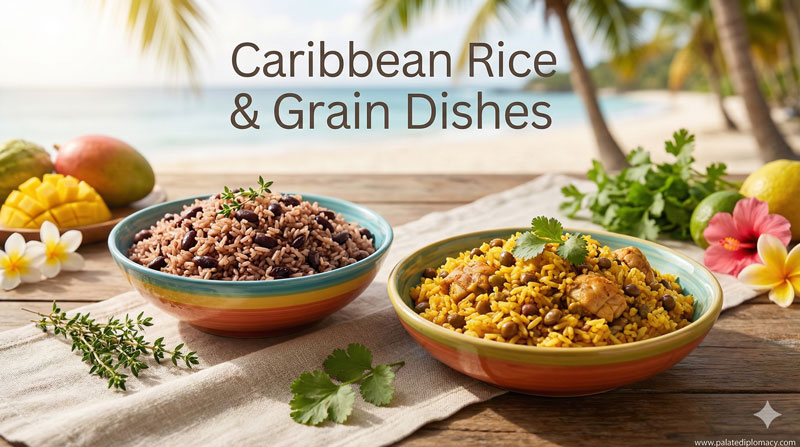
In The Caribbean, rice and peas is more than a meal. It is a daily expression of warmth, skill, and shared joy. The scent alone invites people to gather. Coconut milk, thyme, onion, garlic, and a touch of pepper drift through the kitchen as the pot warms. Beans meet rice in a gentle embrace, and the grains become fluffy yet substantial. This dish stands at the Heart of family meals, celebrations, and ordinary days alike. It carries the spirit of hospitality, care, and the simple pleasure of good food shared together.
The Flavor and Structure That Define the Dish
Rice and peas blends creamy, fragrant beans with tender grains. The coconut milk adds a mellow sweetness, while the herbs lift every bite. A little onion and garlic bring aroma; thyme provides a piney note; scallions add bright bite. The choice of beans varies by island, but the goal is the same: balance, texture, and warmth. When prepared well, the dish feels comforting, yet it carries a bright, uplifting finish. The result is a dish that satisfies the palate and invites another helping.
A Technique That Elevates Everyday Cooking
Cooks approach rice and peas with care. Start with a gentle sauté of aromatics to release flavor. Then add beans and liquid so they mingle with the rice. The rice soaks up the coconut milk and herbs, becoming tender and glossy. Patience matters: a steady simmer, not a rush, yields grains that hold their shape. The best versions show a harmony of creamy beans and soft rice, with every grain distinct and ready to absorb the next bite of sauce or greenery on the plate. This technique turning simple ingredients into a dish with depth is a hallmark of Caribbean cooking.
Cultural Value: Hospitality, Sharing, and Everyday Pride
This dish lives at the table where families talk and friends catch up. It signals welcome to visitors and a sense of home to locals. Preparing rice and peas often becomes a small ceremony—the chopping of onions, the whisper of thyme, the careful timing to finish the rice just as the peppers flicker in the pan. Sharing the plate strengthens bonds and creates memory. In markets, homes, and pop-up stands, the dish reminds everyone that good food can be produced from simple pantry staples. The cultural value lies in the act of making and the joy of serving another person with care.
Regional Variations: How Islands Shape the Dish
Across the Caribbean, regions add their own touch while preserving the core idea.
-
Jamaica often features red kidney beans or pigeon peas, seasoned with allspice, thyme, and scallion. Coconut milk adds sweetness, and the dish pairs beautifully with jerk-style proteins or fish.
-
Trinidad and Tobago may emphasize pigeon peas and a brighter herb mix. Rice can be long-grain, and the seasoning leans toward green seasoning or fresh herbs.
-
Barbados favors a smooth, creamy texture with minced aromatics and a gentle coconut note. Beans and rice here glow with a sunlit finish.
-
Grenada, Antigua, and other islands bring their own herb blends and pepper warmth, creating nuanced profiles while keeping the dish recognizable as rice and peas.
In every version, the core idea remains: a comforting pot of rice meeting beans, enriched by coconut milk and herbs, brought to life by careful simmering and seasoned hands.
Serving Traditions and Pairings
Rice and peas shines when paired with a wide range of dishes. It is a versatile companion to fried fish, grilled seafood, or stewed meats. A fresh salad or sautéed greens adds color and contrast. Fried plantains or ripe bananas provide sweet balance to the savory base. The dish also shines on a shared table with other staples, inviting a collective tasting that highlights the region’s diversity. This versatility makes it a staple for casual meals and festive occasions alike.
Sensory Richness: Aroma, Texture, and Color
The aroma is inviting: the softness of rice, the creamy beans, and the tropical warmth of coconut and herbs rise from the pot. The texture offers a gentle contrast—silky beans with fluffy grains, each bite leaving a comforting finish. Color helps too: ivory rice, pale beans, and a hint of green from scallions and thyme create a lively, appetizing plate. These sensory cues reinforce the dish’s popularity and its place in everyday life.
A Dish That Bridges Generations
Grandparents pass down the recipe, parents adapt it, and new cooks put their touch on it. The result is a living tradition that travels through kitchens, markets, and eateries. Each generation adds minor refinements while honoring the foundation. The dish thus stays relevant—comfortable enough for a weeknight dinner, yet special enough for a weekend gathering. This continuity makes rice and peas a cherished link across generations.
Modern Enjoyment: The Dish Then and Now
Today, rice and peas appears in homes, restaurants, and food blogs with equal ease. Chefs reimagine the dish with plated presentations or inventive side pairings, yet they preserve its essence. Home cooks still rely on simple steps and patient timing to coax maximum flavor from modest ingredients. The dish also travels in spirit—appearing on menus beyond the islands in a respectful nod to Caribbean culinary craft. The result is a dish that remains approachable, celebratory, and true to its roots.
Final Note: A Celebration of Flavor, Community, and Craft
Why Rice and Peas Is One of the Caribbean’s Most Loved Dishes is not only about taste. It is about how flavor builds community. It is about the craft of turning humble ingredients into a comforting, vibrant dish. It is about shared tables, warm welcomes, and the pride of home kitchens. By honoring its regional variations and staying faithful to its core, this dish continues to enchant, nourish, and unite people who savor good food and good company.