
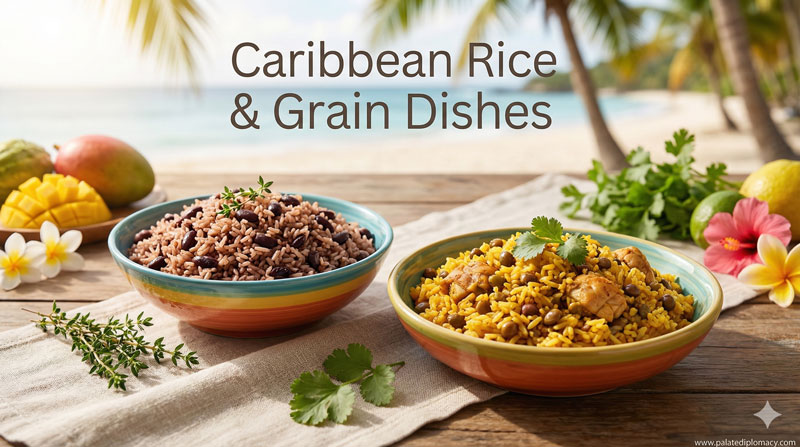
Why Travelers Are Falling in Love with Rice and Peas
Travelers often search for meals that feel Like a warm welcome. Rice and Peas is one such dish. It blends humble ingredients into a comforting, fragrant plate. The name suggests a simple pairing, yet the flavors and textures tell a story of place, season, and careful craft. This dish invites curiosity, then rewards it with balance, aroma, and heart.
The Core Ingredients and Their Roles
Rice, beans (peas), and coconut milk form the trio at the heart of Rice and Peas. The beans provide creaminess and protein, while coconut milk adds sweetness and depth. Rice acts as a vehicle, soaking up flavors while keeping the dish light on the palate. Aromatics like onion, garlic, scallions, and thyme layer in brightness. A hint of salt pulls the flavors together, and a touch of scotch bonnet or black pepper can wake the plate without overwhelming it. The result is a dish that feels both nourishing and bright.
The Technique That Elevates the Dish
The preparation centers on method as much as ingredients. Start by softening aromatics in a little oil. Add the beans and rinse rice to remove excess starch. Pour in coconut milk and water, then simmer gently. The grains cook in a silky bath while the beans soften to a creamy bite. Stirring is minimal; the aim is to keep the grains intact while they absorb flavor. Let the dish rest a few minutes after cooking. This quiet pause lets the steam finish the work and heightens aroma.
A Cultural Mosaic of Flavors
Rice and Peas is more than a recipe. It is a cultural anchor that travels with cooks from home kitchens to markets and tables in restaurants. The dish embodies care in everyday cooking: choosing the best beans, the creamiest coconut milk, and fresh thyme from a windowsill garden. Its warmth comes from the way it is shared. A pot is often placed at the center of a table, inviting everyone to gather, scoop, and smile. The aroma—savory, coconut-scented, with a whisper of herb—signals hospitality and a welcome meal. In this way, the dish becomes a canvas for memory, family, and place.
Regional Variations Across the Caribbean
Rice and Peas appears in several Caribbean kitchens, with gentle variations that honor local harvests. Jamaica often uses kidney beans or pigeon peas and a generous drift of coconut milk, accented by thyme and allspice. In other island kitchens, chefs adapt with different beans or legumes, yet keep the creamy coconut note and citrusy brightness. Some cooks add a splash of lime or a few chopped peppers to finish. Across regions, the method—gentle simmer, soft beans, fragrant rice—unites these versions in a shared love of comfort food.
Pairings, Occasions, and Hospitality
This dish shines beside roasted or grilled meats, stewed vegetables, or fresh fish. It acts as a versatile base for a hearty lunch, a festive dinner, or a cozy family meal. Travelers often encounter it in roadside spots and home kitchens alike, where it pairs with bright sauces and crisp vegetables. The pairing is never fussy; it emphasizes balance, texture, and savor. Rice and Peas makes guests feel at ease and invites conversation about flavors and soil, sun, and season.
Tips for Travelers: Savoring Rice and Peas on the Road
- Choose beans that are plump and fresh; soak or rinse as needed.
- Use full-fat coconut milk for a richer, creamier sauce.
- Simmer slowly and let the flavors mingle; a short rest enhances aroma.
- Finish with fresh thyme and a light squeeze of lime to brighten the dish.
- Serve with a simple protein or vegetables to keep the plate balanced and satisfying.
Conclusion: A Slow, Welcoming Moment
Rice and Peas offers a quiet, generous beauty. It celebrates everyday cooking as a cultural practice—careful preparation, harmonious flavors, and a shared meal. For travelers, it provides a window into local kitchens and the joy of a dish that travels well and endears itself quickly. If you are seeking a comforting, flavorful introduction to Caribbean cuisine, this dish invites you to pause, savor, and feel at Home wherever you are.