
The Rise of Gołąbki in Modern Polish Food Culture
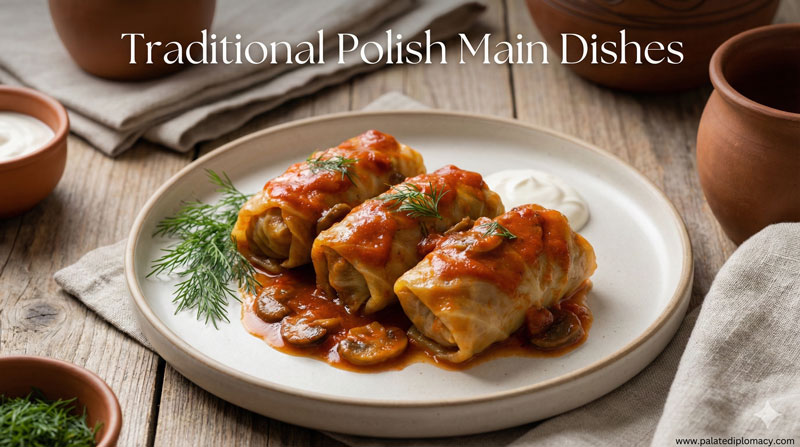
Gołąbki, the beloved stuffed cabbage rolls, have found a new voice in modern Polish food culture. They stand as a warm invitation to explore how flavor, craft, and community come together in everyday cooking. This dish embodies care, tradition, and a spirit of hospitality. In contemporary kitchens and dining rooms, gołąbki celebrate both heritage and invention. They invite curiosity without losing the comfort of a familiar bite.
A Timeless Technique, Freshly Reimagined
The core technique remains clear and approachable. Blanch cabbage leaves until they soften, then fill them with a mixture of ground meat, rice or barley, onion, and herbs. Roll the leaves snugly and arrange them in a pan. Cover with a tomato-based sauce or a mushroom gravy and simmer gently. The result is tender, savory, and balanced in texture.
Modern cooks keep the heart of this method intact while welcoming small, thoughtful updates. Vegetarian gołąbki appear with mushrooms, lentils, or finely chopped vegetables in place of meat. Whole grains like quinoa or buckwheat offer a new bite while preserving the dish’s filling nature. The sauces also evolve: bright tomato sauces, creamy yogurt-inflected sauces, or light mushroom gravies all find a place on today’s menus. Across kitchens, the technique remains a shared language—precise yet forgiving, inviting home cooks to practice and perfect.
The aroma plays a starring role. As cabbage softens and the rolls simmer, the kitchen fills with a comforting scent. This sensory invitation makes gołąbki a natural centerpiece for gatherings, big or small. And because the method scales—from a simple family meal to a chef’s tasting plate—it remains accessible while offering room for refinement.
Regional Voices in the Gołąbki Tradition
Gołąbki carry subtle regional flavors that enrich the dish without breaking its core identity. In some Polish regions, the filling leans toward pork or a blend of pork and beef, seasoned with marjoram, dill, and pepper. In others, a lighter mix with veal or mushroom-forward notes sits alongside onion and garlic. Rice is common, but barley or buckwheat finds favor in certain locales, lending a different bite and texture.
Herbs provide another layer of distinction. Dill might first bloom in Podlaskie kitchens, while marjoram offers a warmer aroma in Silesian homes. Parsley or chives often finish the mixture for a fresh note. Sauce choices echo regional tastes as well. A simple tomato sauce brings brightness, while a mushroom or paprika-inflected gravy adds depth and a hint of smokiness.
Seasonality and harvest rhythms influence variations too. Fresh cabbage heads from fall markets lead to lighter, crisper rolls, while late-winter kitchens favor firmer textures and richer sauces. Each region contributes a voice, and together they form a rich chorus that keeps gołąbki vibrant and relevant.
Gołąbki on the Plate, in the Home, in the Restaurant
In homes, gołąbki carry personal history. Families often tweak the recipe to reflect family preferences, passing techniques and tips from one generation to the next. The dish becomes a thread that links meals, celebrations, and quiet Sundays. Leftover rolls often reappear as a simple lunch, a reminder that warmth travels well beyond the dinner table.
In restaurants, gołąbki step into the spotlight with confident presentation. Chefs balance color, texture, and aroma to Make a plate inviting. A single roll can be sliced to reveal its layered interior, plated with a drizzle of sauce, and finished with a bright herb garnish. Plating emphasizes the care behind the dish, while keeping its comforting essence intact. The result is a dish that feels both familiar and thoughtfully modern.
As a bridge between home cooking and contemporary dining, gołąbki adapt to different formats. They can be served as a shareable centerpiece, as a plated entrée, or as part of a tasting menu. The dish remains a testament to balance: its exterior holds together, its interior stays moist, and its flavors carry warmth from bite to bite.
The Modern Polish Table: Sustainability and Innovation
Today’s gołąbki benefit from a focus on sustainability and local sourcing. Cabbage from nearby farms, meats from trusted producers, and seasonal vegetables all contribute to a thoughtful plate. This approach strengthens the connection between the table and the community, a link that many diners value highly.
Innovation shines in ingredient choice and presentation. Vegetarian versions respect the integrity of the dish while offering new textures and flavors. A gołąbki filled with barley and mushrooms, paired with a paprika-tinged sauce and a dollop of tangy yogurt, can feel both contemporary and timeless. Regional herbs are celebrated on the plate, and cooks experiment with color and form to create an appealing, balanced dish.
Technique remains the backbone of sustainability as well. Smaller, careful batches, longer simmering when needed, and careful attention to each leaf’s tenderness all contribute to a dish that is both delicious and economical. In this way, gołąbki becomes a practical emblem of mindful cooking—rich in flavor, modest in waste.
A Loop of Tradition and Inspiration
The Rise of gołąbki in modern Polish food culture is a story of continuity and curiosity. It honors family tables while inviting cooks to explore new combinations. The dish thrives because it is generous: it welcomes a range of fillings, sauces, and presentations. It remains approachable for Beginners and rewarding for seasoned cooks.
If you are new to gołąbki, start with a simple version that respects the leaf’s sturdiness and the filling’s balance. Use a classic tomato sauce, a modest blend of pork and rice, and a light touch of marjoram. Then taste and adjust. Add a touch of dill or a mushroom gravy to deepen the flavors. As you gain confidence, try variations that reflect your pantry and season. The dish invites experimentation without losing its heart.
In the end, gołąbki symbolize more than a tasty meal. They embody care, sharing, and a sense of place at the table. They connect a kitchen’s past with today’s kitchen adventures. They celebrate the beauty of simple ingredients prepared with intention. The rise of gołąbki in modern Polish food culture is a gentle, inviting celebration of how tradition can flourish in fresh, thoughtful ways.