
Introduction: The Rise of Gołąbki in Modern Polish Food Culture
Gołąbki, or stuffed cabbage rolls, have long lived on Polish tables with quiet dignity. Recently, they’ve risen in sight and sound across kitchens, markets, and dining rooms. This surge is not about novelty alone; it marks a deeper appreciation for balance, texture, and soulful flavors. The Rise of Gołąbki in modern Polish food culture celebrates craft, seasonality, and shared meals. It invites everyone to savor a dish that feels both timeless and newly approachable. In short, Gołąbki are a bridge between memory and experimentation, between family tradition and contemporary plates.
Core Craft and Flavor
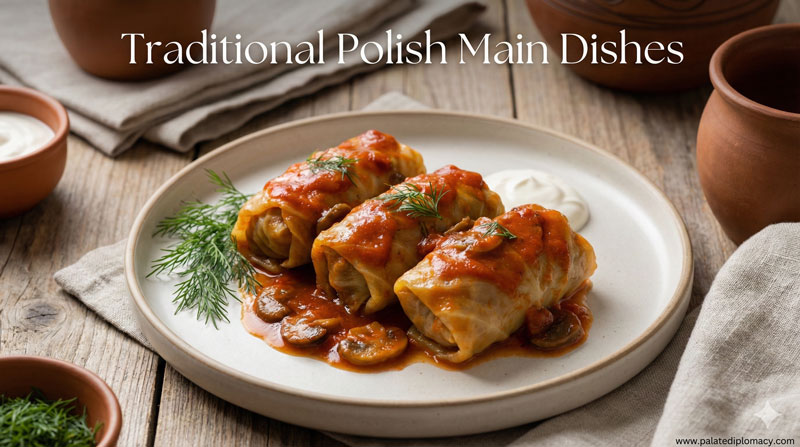
At the heart of Gołąbki lies a simple idea elevated through careful technique. Cabbage leaves become neat wrappers, their edges softened by blanching or gentle simmering. Inside, a filling blends minced meat with cooked rice, finely chopped onions, and fresh herbs. A touch of garlic, pepper, salt, and sometimes paprika brings warmth. Some cooks fold in mushrooms, barley, or lentils for texture and texture contrast. The group of flavors rests on a tomato- or mushroom-based sauce, which coats the rolls and anchors them in a savory, bright finish. The result is a harmony of bite and softness, bright acidity meeting rich comfort. Modern interpretations honor this balance while inviting lighter or richer versions, depending on season and preference. The precise balance—tender cabbage, flavorful filling, and a glossy glaze—defines the culinary signature of Gołąbki.
From Home Kitchens to Modern Hearths
Gołąbki travel well from cozy home kitchens to contemporary restaurants. In homes, families pass down time-tested ratios and secret notes—how long to simmer, when to add salt, and How to judge tenderness by feel. In modern kitchens, chefs experiment with presentation and texture, while preserving the dish’s essence. Some plate Gołąbki with a clean tomato purée and a drizzle of sour cream for bright contrast. Others introduce a roasted pepper sauce, a mushroom glaze, or a hint of caramelized onion for depth. The technique remains approachable: wrap, simmer, glaze, and serve. Yet the possibilities widen through careful sourcing, plant-forward fillings, and thoughtful plating. This blend of tradition and experimentation keeps Gołąbki lively on the menu without losing its comforting core.
Social and Culinary Significance in Poland Today
Gołąbki today embody more than a recipe; they symbolize shared moments around the table. Families gather for weekend meals, where the aroma of simmering cabbage welcomes everyone home. In markets and food halls, cooks demonstrate how a single leaf can cradle a flavorful filling and become a small feast. The dish appears on festive menus and everyday menus alike, offering a dependable, delicious centerpiece. Across communities, Gołąbki foster conversation about technique, sourcing, and seasonal ingredients. They invite diners to notice the interplay of textures—tender leaves, hearty filling, and a sauce that binds everything together. In this way, the dish contributes to a sense of place and continuity within modern Polish food culture, while inviting new tastes to join the conversation.
Regional Variations and Creative Interpretations
Regional twists enrich the Gołąbki story. In some areas, cooks blend buckwheat or barley with the meat filling, lending a nutty bite and heartiness. Others favor rice as the primary starch, keeping the filling light and cohesive. Leaf prep can vary as well: larger leaves may yield a more generous roll, while smaller leaves offer delicate bites. Sauces reflect local preferences, from bright tomato bases to savory mushroom gravies. Some versions layer greens and herbs for a fresher finish, while others lean into smoky paprika accents for warmth. Creative interpretations appear in modern kitchens, where Gołąbki mingle with contemporary plating, yet always honor the dish’s core texture and balance. This regional diversity enriches the dish while preserving its universal appeal.
Pairings, Presentation, and Seasonal Joy
Pair Gołąbki with elements that mirror its balance. A dollop of sour cream adds tang and creaminess; a sprinkle of fresh dill or parsley lends a bright, herbal lift. Sides such as mashed potatoes, boiled potatoes, or a light grain like barley harmonize with the dish’s heartiness. A crisp salad or pickled vegetables can provide a refreshing counterpoint. In winter, a warm, comforting bowl of soup can pair well, while in warmer seasons a lighter tomato glaze works beautifully. Presenting Gołąbki on a simple, elegant plate invites appreciation for its layered textures: the glossy sauce, the tender cabbage, and the meaty filling. The dish’s natural beauty shines when plated with care, inviting guests to savor each component in turn.
Looking Ahead: The Enduring Charm of Gołąbki
The rise of Gołąbki in modern Polish food culture reflects a lasting love for thoughtful cooking. It speaks to skills honed over generations and a willingness to explore new combinations within a familiar frame. The dish remains approachable for home cooks and inspiring for professional chefs, serving as a canvas for creativity while staying true to its comforting soul. As more kitchens discover fresh fillings, vibrant sauces, and playful presentations, Gołąbki will continue to enchant both everyday meals and special occasions. In this way, the dish charts a hopeful path: honoring tradition, celebrating craft, and inviting everyone to share in its simple yet profound joy.