
How Roasted Corn Became Popular in Ethiopian Cuisine
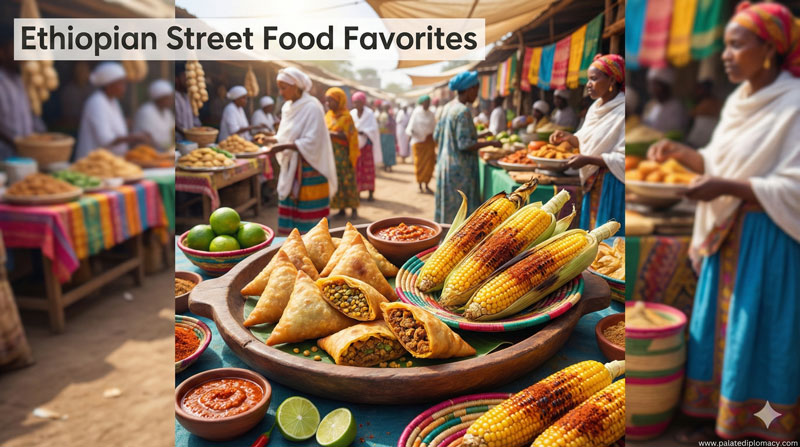
Roasted corn is a humble treasure in Ethiopian Cuisine. In markets and towns, kernels move from field to flame and then to eager mouths. This dish grew from everyday life, not from grand menus. Its appeal rests in speed, seasonality, and a bright sweetness. The result is a snack that feels inviting in any moment.
Roasting as a Shared Practice
Roasting happens around a small grill, a clay pan, or a simple skillet. Corn meets hot metal, and a light veil of smoke rises. The process invites attention: turning kernels, watching color deepen, smelling sweetness rise. Communities gather as the scent travels. This shared practice makes the snack feel personal and familiar.
Flavor, Texture, and Aesthetic
The taste is clean and joyful. Sugars caramelize, giving a gentle pop of sweetness. The surface turns honey-gold, not scorched. A pinch of salt or a hint of chili wakes the palate. When butter or spice is added, depth grows while the corn keeps its light bite. The look of glossy kernels invites the first bite and the lingering smile after.
Cultural Contexts and Everyday Life
Roasted corn appears in markets, at bus stops, and near cafe corners. It travels well and adapts to many moments. Some people Eat It with a squeeze of lemon for brightness. Others enjoy it beside injera or flatbread as a casual side. In homes, it pairs with lentil stew or a simple tea. The dish mirrors daily life: practical, shared, and comforting.
Serving Styles and Regional Variations
Across regions, cooks add their own touches. A light dusting of salt and chili is common. A pat of butter melts as the corn is eaten. A dash of berbere or sesame seeds adds warmth. Some finish with fresh lemon juice or herbs. Each variation celebrates corn’s versatility while honoring local flavors.
Modern Popularity and Home Cooking
Today, roasted corn shines in cafes, at festivals, and in homes. It travels well, so cooks can share it at gatherings and celebrations. The method is quick and forgiving, welcoming beginners and seasoned cooks alike. This accessibility helps the dish stay fresh in a changing food scene. Yet it preserves its simple, honest character.
Sustainability and Local Ingredients
Local corn harvested in season makes the best kernels. Choosing local grains supports farmers and communities. Roasting uses modest oil and energy when done thoughtfully. The dish invites careful pairing with seasonal herbs and spices. In this way, it remains a bright, sustainable choice.
A Final Thought: The Heart of the Dish
Roasted corn holds a special place in Ethiopian cuisine. It marks moments of sharing, flavor discovery, and everyday joy. The sweetness, smoke, and salt blend with other staples to create a comforting harmony. The dish stands as a welcoming, enduring part of the food culture, cherished by many households.