
The Essence of Roasted Corn
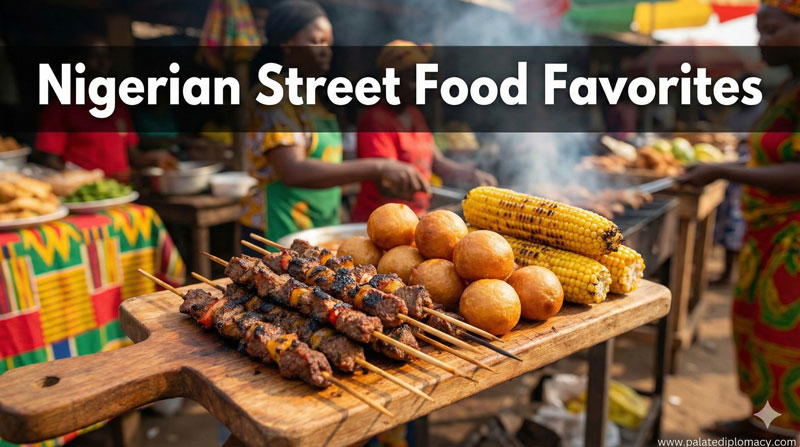
Roasted corn is a humble treasure on Nigerian tables. Its kernels glow with a sunlit gold that speaks of harvest, street markets, and shared joy. The dish reveals how simple ingredients can carry deep meaning. Each bite invites conversation, memory, and a sense of belonging. In this post, we explore how roasted corn reflects Nigerian Food Culture and culinary pride. The journey highlights taste, technique, and the social rhythm surrounding this beloved snack.
Fire, Craft, and the Craft of Roasting
Roasting corn is a craft that many communities practice with care. Men, women, and often neighborhood friends take turns at the flame. Charcoal heat turns the kernels smoky and glossy, coating them with a hint of caramel. The process teaches patience, timing, and respect for fire. Roasting is not a rushed task; it invites a calm focus and shared listening. The result is more than flavor; it is a ritual of attention and craft.
Flavor, Texture, and Cultural Significance
The flavor of roasted corn is simple yet expressive. Smoke, salt, and a touch of spice mingle on the palate. A squeeze of lime or a dab of butter adds brightness, contrasting with the corn’s natural sweetness. Texture matters as well: lightly charred edges give way to tender centers, a pleasing contrast that mirrors the balance in Nigerian cooking overall. This balance—savory, sweet, tangy, and smoky—reflects a broader culinary philosophy: harmony through thoughtful seasoning. The dish also honors seasonality, reminding us of corn’s own cycle from field to flame.
Markets, Vendors, and Everyday Social Threads
Street vendors are the heartbeat of roasted corn’s cultural story. You’ll find carts and grills at busy markets, bus stops, and neighborhood corners. The air carries a welcoming aroma that draws people toward a pause in the day. Buying roasted corn often becomes a short, shared moment: a quick hello, a bargain, a nod of appreciation. In these exchanges, food becomes social glue. The scene reinforces hospitality as a daily practice—one corn at a time.
Regional Variations and Seasonal Rhythm
Across Nigeria, regional flavors gently vary roasted corn. In some places, a spicy pepper blend wakes the kernels; in others, a drizzle of nut oil or groundnut enhances richness. Citrus accents appear in coastal areas, while milder seasons highlight the inherent sweetness of the corn. The timing of harvest and weather patterns also shape how corn is enjoyed. In dry seasons, vendors adapt with fresh batches, keeping the experience lively and dependable. These nuances show how a single dish can adapt while preserving core identity.
Sharing, Hospitality, and Family Moments
Roasted corn often joins family gatherings and communal meals. It appears at celebrations, after church services, or during evenings with friends. The act of sharing reinforces social bonds and mutual warmth. Families pass tips on roasting times and spice balances, passing tradition from one generation to the next. The experience centers on generosity: offering a warm treat to others, listening to stories, and savoring simple pleasures together. In this way, roasted corn becomes a small, meaningful ceremony of togetherness.
A Simple Guide to Enjoying Roasted Corn at Home
If you wish to bring this cultural experience home, start with fresh, quality kernels. Roast over moderate heat until the outside is slightly charred and the inside remains moist. Finish with a light seasoning—salt, a squeeze of lime, and a touch of butter or oil. Experiment with pepper or paprika for a gentle kick. Serve with sliced vegetables or a simple dip to echo the Nigerian appetite for balanced flavors. The goal is to honor the corn’s natural sweetness while adding a respectful lift from seasonings.
Conclusion: A Dish That Mirrors Nigerian Heart
Roasted corn is more than a snack; it is a reflection of Nigerian food culture. It embodies simplicity, communal spirit, and a quiet pride in craft. The scent, the texture, and the social moments around the flame tell a story of everyday hospitality. In its bright kernels, we taste a tradition that values warmth, balance, and shared meals. The dish invites us to slow down, notice the present, and celebrate the beauty found in everyday food.