
Introduction
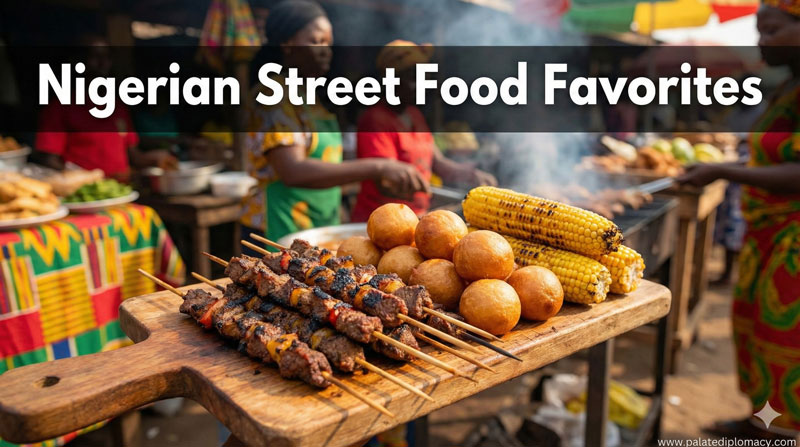
How roasted corn reflects Nigerian Food Culture is a gentle celebration of simple ingredients, patient technique, and shared moments. This dish centers on a single ear of corn, but it opens a window into how people gather, feed each other, and honor seasonal harvests. The aroma of corn roasting over a warm fire, the sight of charred kernels glistening with a light glaze, and the easy joy of a bite taken with friends—these moments speak to a culinary language that is welcoming, practical, and deeply rooted in local life. In this post, we explore the cultural value and culinary significance of this beloved street dish.
The dish and its technique
Roasted corn is a study in efficient, reliable cooking. Fresh ears are cleaned, sometimes left with a thin husk for moisture, and then roasted over charcoal or a gentle flame. The process invites patience: steady heat, turning the corn to achieve even browning, and a brief rest to allow the flavors to settle. A small amount of oil or butter can be brushed on, with a pinch of salt or a light dusting of pepper to enhance taste. Vendors may finish the ears with a squeeze of lime, a drizzle of pepper sauce, or a handful of ground peanuts for texture. The technique is simple, but it rewards attention: the kernels become tender inside and slightly crisp at the edges, and the smoky aroma becomes unmistakable.
The sensory experience
Taste, texture, and aroma come together in a single moment. The kernels are naturally sweet, especially when the corn is harvested at the right moment. A touch of oil and salt elevates that sweetness, while the smoke from the fire adds depth and a gentle caramelized note. The color—golden with dark grill marks—signals careful roasting. The aroma is inviting, a warm invitation to share food. The sensory experience is consistent across neighborhoods, linking cooks with diners through a mutual appreciation for simple, well-executed technique.
Social and community threads
Roasted corn is a social staple. It appears in busy markets, at bus stops, and along lively streets. Vendors, or hawkers, serve fast and friendly portions, turning a quick snack into a small daily ritual. Families stop for a quick bite before work or school, friends gather to catch up, and neighbors share tips about the best roasting methods or the latest local corn varieties. This dish supports a sense of community by providing a common, accessible food that travels easily—from a vendor’s cart to a home table. It also reinforces a culture of generosity: a hot ear may be shared, a few kernels offered to a child, and a story swapped over the aroma of roasting corn. The result is a warm, inclusive dining experience that aligns with everyday Nigerian food culture.
Regional flavors and variations
Within the broader Nigerian palate, roasted corn adapts to local tastes and harvests. Some regions favor sweeter corn varieties, which caramelize nicely on the grill. Others embrace a touch of spice, adding pepper sauce or a light dusting of chili to create a gentle heat that lingers after the first bite. A squeeze of lime can brighten the sweetness, while a sprinkle of groundnut crumbs or roasted sesame adds a nutty accent. Varying finishing touches reflect the creativity of cooks and the rhythms of local markets. The dish remains the same at heart—a roasted ear with a smoky aroma—but the flavors echo distinct regional preferences and seasonal availability, making each version feel both familiar and fresh.
Pairings and serving traditions
Roasted corn often appears with simple, thoughtful accompaniments. Salt and lime are classic, enhancing brightness and balance. Pepper sauce or a light chili blend complements the sweetness with a friendly kick. Sometimes, a small dab of melted butter or oil adds a silky gloss to the kernels. In some communities, vendors offer a side of salt peanuts or a crumb of groundnuts, which adds a textural contrast. The serving style is practical and graceful: a hand-sized portion that can be eaten on the go or enjoyed with conversation. These pairings show how Nigerian food culture values harmony—between sweetness and heat, between hot food and social time, and between individual enjoyment and communal sharing.
The cultural value in daily life
The dish embodies core aspects of Nigerian food culture: simplicity, practicality, and hospitality. It honors local farmers who produce the maize, cooks who Master the roasting technique, and communities that make time to share a meal. The warm ritual of roasting draws people together, turning a street corner into a small gathering place. The dish also reinforces a respect for seasonality and local flavors. When corn is in season, the aroma travels farther, inviting neighbors to pause and participate in a moment of nourishment. In this way, roasted corn becomes a microcosm of daily Nigerian life—a reminder that good food often begins with straightforward steps, patient attention, and a generous heart.
Cooking as craft and craft as culture
The craft of roasting corn is accessible, yet it rewards skill. The rhythm of turning the ear, adjusting the flame, and monitoring browning requires focus and care. Vendors who master this craft develop a reputation based on consistency, flavor balance, and speed without sacrificing quality. Home cooks can honor this tradition by practicing the same fundamentals: even heat, gentle charring, and thoughtful finishing. By approaching roasting as a craft, communities keep a living connection to their culinary roots while encouraging ongoing experimentation with taste and texture. This respectful approach to cooking reinforces a sense of pride in local food culture and its everyday rituals.
Quick home tips for delicious results
- Start with fresh corn and moderate heat to prevent scorching.
- Rotate the ears steadily for even browning.
- Brush a light layer of oil or butter for gloss and moisture.
- Season lightly at the end with salt, pepper, and a squeeze of lime.
- Experiment with pepper sauce or a sprinkle of groundnuts for variation.
These simple steps help bring the essence of roasted corn into home kitchens while preserving its cultural character.
Conclusion
Roasted corn is more than a tasty snack; it is a small, flavorful window into Nigerian food culture. Its preparation reflects careful technique, its flavors honor regional preferences, and its social role highlights hospitality and community. When you bite into a well-roasted ear, you taste the harmony of land, skill, and shared moments. In this way, roasted corn stands as a luminous example of culinary significance: a humble dish that celebrates flavor, craft, and the joy of gathering. If you seek a food experience that feels both rooted and welcoming, this simple roasted corn offers a graceful introduction to the beauty of Nigerian cooking.