
How Roasted Corn Reflects Nigerian Food Culture
Roasted corn is more than a snack. It is a gentle lens into Nigerian life, where food and community grow together. The dish speaks with a smoky voice about harvest, craft, and daily joy. When you bite into a charred kernel, you taste Africa’s sun, soil, and shared moments. This post invites you to see how simple roasted corn embodies a rich culinary culture.
The Grain and the Fire
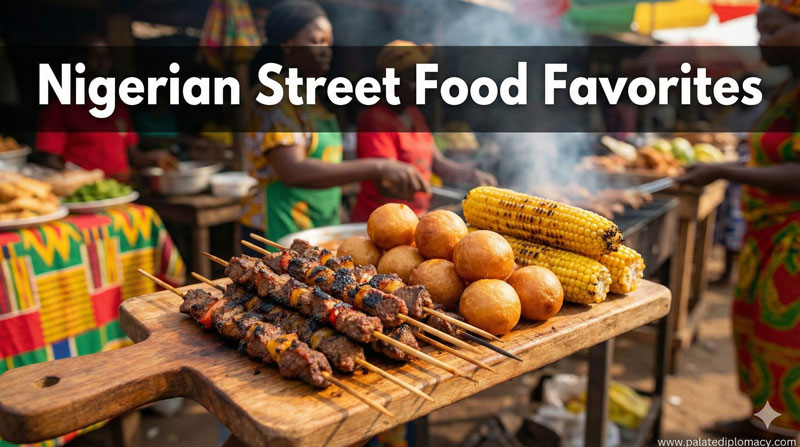
Maize, the backbone of roasted corn, arrives in bright yellow or pale white ears. Nigerian farmers grow many varieties, each with a distinct sweetness and texture. On a street grill, kernels meet direct heat. The heat creates a kiss of char while the interior stays tender and juicy. Vendors keep the fire steady, turning ears slowly to awaken an even glow. A light sprinkle of salt or a squeeze of lime completes the first, essential step. The sizzle and aroma rise, inviting people to pause, watch, and share. In this moment, technique and patience meet flavor, and the dish earns its everyday status.
The Taste, Texture, and Technique
The experience of roasted corn blends several sensory notes. The outer layer becomes crisp and blistered, offering a delicate crunch. Inside, kernels remain moist and pleasantly chewy. Natural sweetness broadens with the smoke, balancing any salt added at the stall. A bright dash of lime brightens the corn’s profile, inviting a second bite. Some cooks offer a light pepper dust or a whisper of spice for those who enjoy a little warmth. The result is simple yet sophisticated: a harmonious mix of smoke, sweetness, acidity, and texture. This balance is a small triumph of culinary craft in a busy market or kitchen.
A Street-Side Ritual
Roasted corn thrives on social energy. Vendors work with practiced ease, calling out to customers as the scent travels down the street. Families gather, friends linger, and conversations begin around the shared tray. Children learn by watching the turning ears and listening to grown-ups tell stories between bites. In this setting, the dish acts as a social glue, offering a reason to slow down and connect. The act of sharing ears of corn creates a communal moment—one person’s bite becomes another’s invitation to talk, laugh, and plan the next snack stop. This ritual turns a fragrant street food into a small, welcoming gathering.
Regional Flavors and Techniques
Across Nigeria, you will hear slightly different winds in the way roasted corn is prepared. The core remains the same: corn, heat, salt, and a touch of citrus. Some stalls favor a stronger lime accent or a peppery finish, while others keep it straightforward and mild. In coastal towns, a citrus kick may feel brighter due to fresh air and sea influences. In inland markets, the smoke from wood or charcoal plays a more dominant role, deepening the corn’s aroma. Across regions, the variations are gentle and respectful, always reinforcing the idea that roasted corn adapts to local tastes while staying true to its simple essence.
Food Culture in Everyday Life
Roasted corn mirrors daily life in Nigeria. It appears at morning markets, after school, or during a casual stroll home. It is affordable, quick to prepare, and satisfying after a long day. The dish teaches patience and attentiveness: the ears must be rotated evenly, the heat kept steady, and the salt measured just so. In homes and markets, roasted corn becomes a shared memory for families—stories told while hands reach for another bite, children learning the rhythm of cooking, neighbors trading tips on The Best lime squeeze. This everyday dish builds familiarity and respect for the craft that goes into simple food.
Pairings and Moments
A single roasted ear often pairs with a light drink—water, fresh coconut, or a small cup of palm wine for those who enjoy a Local toast to the day. The combination is easy, friendly, and unpretentious. Some people like to add a pinch of groundnut dust or a tiny dollop of chili sauce for extra warmth, but the essentials remain approachable: corn, smoke, salt, and citrus. These pairings highlight how Nigerian Food Culture celebrates balance and accessibility. The dish remains welcoming to first-time tasters and familiar to long-time fans alike.
A Gentle Reflection on Taste and Community
Roasted corn holds a quiet space in Nigerian food culture. It shows how a simple ingredient can travel from field to street to home, gathering meaning at every stop. The technique honors farmers, vendors, and cooks who keep flavors alive with care. The scent of smoke and the sight of bright kernels bring people together. This dish teaches us to savor the moment, share generously, and celebrate everyday meals as a part of daily life. Its cultural value lies in its ability to be both modest in appearance and rich in meaning.
Final Thoughts
If you seek a dish that reveals the warmth and beauty of Nigerian food culture, roasted corn is a lovely place to start. It is approachable, versatile, and deeply social. Each bite echoes the everyday generosity that defines many Nigerian kitchens and markets. By enjoying roasted corn, you join a long tradition of cooks and communities who treasure simplicity, flavor, and connection. The next time you taste a charred kernel, take a moment to notice the craft, the shared smiles, and the light, bright finish that lingers on the palate. This is how roasted corn reflects Nigerian food culture: with grace, warmth, and an invitation to come together.