
The Charm of Roasted Corn
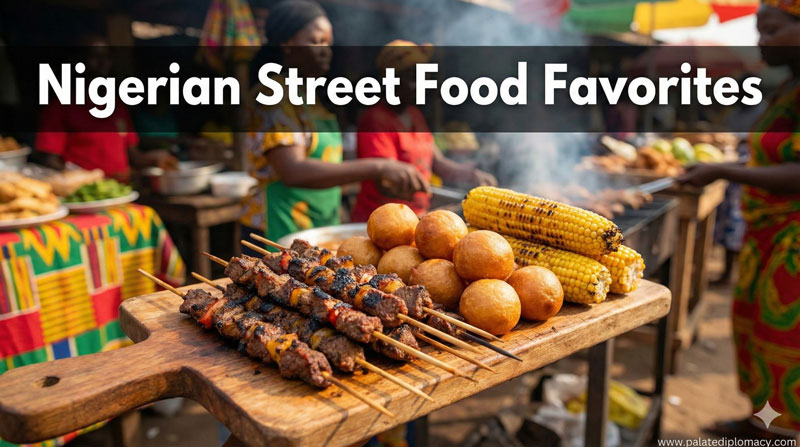
Roasted corn shines as a bright thread in Nigerian Food Culture. The cob succumbs to heat, turning kernels a warm, inviting gold. Each bite reveals a balance of sweetness and a touch of smoke. The scent swirls through markets, streets, and kitchens, inviting people to slow down for a moment. This dish is simple, yet it carries a rhythm that feels like home. It speaks of fields, of sun, and of hands that carefully turn the corn to sweetness. In this way, the dish becomes a small, joyful celebration of everyday life.
Roasting as a Shared Ritual
The act of roasting corn is a shared ritual. Vendors stand by charcoal fires, calling out to passersby with a friendly pitch. The sizzling sound accompanies a gentle swirl of smoke. The cook’s hands move with practiced ease, turning each cob so every kernel hits the flame just right. This routine breathes rhythm into the day. Onlookers watch, chat, and eventually buy. The moment is uncomplicated, yet it creates connection. People from different walks of life gather around the glow, all drawn by the promise of warm corn and communal warmth.
A Street Food That Feels Like Home
Roasted corn lives in the everyday, near bus stops, market corners, and neighborhood streets. It is a familiar snack that fits any schedule. A cob might be sprinkled with a pinch of salt, a squeeze of lime, or a dash of pepper. Some enjoy it with a light dusting of spice; others savor the pure corn sweetness. Eating with hands, sharing two or three cobs, or offering a bite to a neighbor—these small acts express hospitality. The dish acts as a social glue, turning a quick snack into a moment of togetherness and memory.
Regional Variations: Flavor Notes Across Nigeria
Across regions, the roasted corn carries local flavors and preferences. In one area, a simple finish of salt and lime may be preferred for its bright, clean taste. In another, a peppery kick adds a lively warmth that lingers pleasantly. Some cooks finish with a little oil or butter for extra gloss and richness. The same corn adapts to different palates, reflecting regional tastes without losing its core identity. This adaptability makes roasted corn a unifying thread in Nigeria’s diverse culinary tapestry.
The Harvest Connection: Corn in Nigerian Life
Corn is a familiar sight in fields and farms, a dependable harvest crop. Its journey from plant to plate is short and gentle, often ending in community markets and home kitchens. This connection to the land shows up in how people celebrate harvest time, share the yield with neighbors, and incorporate fresh corn into other meals. Roasted corn embodies that cycle: a crop that feeds now, while also reminding everyone of the seeds that began the season. The dish becomes a quiet emblem of abundance and gratitude.
Techniques and Pairings: How It Becomes a Meal
The roasting technique matters, yet it remains approachable. Charcoal grills give a smoky depth, while a sturdy pan on a stove can yield a reliable, tasty result. The kernels caramelize, then release their natural sweetness. Finish with salt, a squeeze of citrus, or a light pepper touch to awaken the flavors. This simple treatment makes the corn versatile. It can stand alone as a snack, accompany a hearty stew, or accompany a cup of tea or a cold drink. The dish invites creativity while staying true to its essence.
A Cultural Lens: What It Teaches About Nigerian Food Culture
Roasted corn teaches respect for simple, honest ingredients and patient preparation. It highlights communal dining and the pleasure of sharing, even in small gatherings. The dish also shows how food travels gracefully across spaces—markets, homes, streets—without losing its warmth. It invites conversation, smiles, and a sense of belonging. In its modesty, roasted corn reflects a broader love for food that nourishes the body and nourishes relationships. The experience is inclusive, inviting people of all ages to savor the moment together.
Conclusion: The Quiet Power of a Hot Cob
In its bright color, inviting aroma, and comforting taste, roasted corn embodies a key idea in Nigerian food culture: joy can be found in everyday food. The dish is more than a snack; it is a bridge between meals, markets, families, and neighbors. It celebrates the harvest, honors the craft of roasting, and invites everyone to pause and enjoy. Through this humble cob, we see a culture that values warmth, hospitality, and shared moments around a simple fire.