
How Roasted Corn Became Popular in Nigerian Cuisine
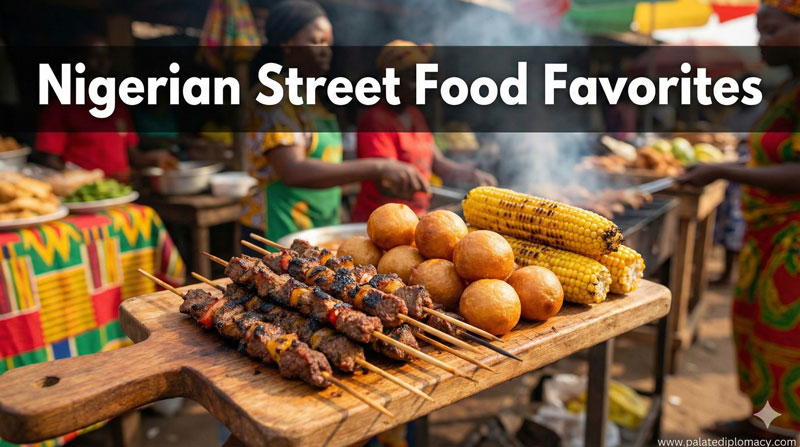
Roasted corn fills streets with a warm, inviting aroma. In Nigerian towns and cities, you often find it sizzling over open flames, its kernels turning a rich, golden brown. This humble snack has grown into more than a quick bite; it carries culture, memory, and a shared sense of place. The Story of roasted corn in Nigerian cuisine is a portrait of daily life, hospitality, and the simple joy of a sun-warmed cob savored with friends and family.
The Seed, the Flame, and Everyday Gatherings
Maize has long been part of Nigerian life. Farmers plant, tend, and harvest with care, and the harvest brings a surplus that feeds many households. From this abundance, a tradition quietly emerges: roasting corn as a social ritual. First, neighbors meet at the market or on a street corner. Next, a vendor lights a small grill or an iron rack over charcoal. Then the smell travels, drawing people toward the flame. In these moments, a meal becomes a memory, and a snack becomes a shared experience. Roasted corn becomes a bridge between strangers and friends, a small ritual that marks the ordinary rhythm of the day.
Techniques that Spark Flavor and Community
The craft of roasting corn is deceptively simple, yet it carries a distinctive Nigerian character. Vendors turn corns on skewers or lay them on a grate, letting the kernels blister and caramelize. The heat produces a gentle charring that adds depth, while the inside remains tender and sweet. This contrast—crisp edges with soft, bursting centers—defines the dish’s signature texture. Along the way, vendors often brush on a touch of oil or butter and dust salt, pepper, or a bright squeeze of lime. In some regions, a quick sprinkle of crushed peanuts or a dab of spicy pepper sauce elevates the flavor, creating a lively balance of smoky, tangy, and nutty notes.
The rotation of the cob, the rhythm of the flame, and the timing of the flip all matter. A well-roasted cob carries a glossy sheen from the heat and a fragrance that draws people in, long before the first bite. This careful choreography turns a simple street food into a practiced art, one that vendors pass from mentor to apprentice and street to street. The result is consistent comfort with a hint of excitement—the sensation that you are savoring something both familiar and delightful in the moment.
Regional Voices: Diversity in a Shared Favorite
Across Nigeria’s diverse regions, roasted corn takes on subtle regional flavors. In the north, peppery heat and a hint of grounding spice may mingle with the sweetness of the corn, giving each bite a kick that lingers. In the south, the brightness of lime and a touch of sea salt can accentuate the natural corn flavor, making the experience feel fresh and sunlit. In the central areas, a mild spice blend or crushed groundnuts might offer a nutty counterpoint, adding texture and a gentle richness. Despite these variations, the core idea remains the same: a roasted cob that brings people together, enjoyed in the open air and alongside morning chatter, football banter, or festival songs. This regional tapestry shows how a single dish can weave itself into the fabric of many communities while keeping its essence intact.
The Social Fabric: Roasted Corn as a Cultural Symbol
Roasted corn is more than sustenance; it is a social symbol. It accompanies celebrations, school days, and weekend strolls just as readily as it accompanies a quiet moment of pause in a busy day. Sharing a cob becomes a gesture of hospitality and warmth, a way to welcome someone into a circle of conversation or to signal a friendly invitation to linger a little longer. The act of offering corn, whether to a neighbor or a passerby, reflects values of generosity and community. In markets and festivals, roasted corn acts as a cue for connection—an easy entry point for storytelling, laughter, and freshly exchanged tips about the day’s happenings. In this way, the dish helps preserve social bonds and reinforces a sense of belonging.
Flavor as a Cultural Language
Flavor plays a central role in how roasted corn communicates across generations. The smoky aroma signals expertise and care, the sweetness of the kernels evokes sunny days, and the satisfying chew invites lingering attention. When lime brightens the palate, or a touch of pepper adds warmth, the corn speaks in a language of balance—sweet, smoky, tangy, and a touch of heat all at once. This culinary language travels easily from market stall to home kitchen, helping families pass down preferences and memories from one generation to the next. The dish becomes a canvas for personal taste and shared tradition, a flexible platform for expressing pride in local ingredients and time-honored methods.
Milk, Spice, and Pairings: Elevating the Experience
While roasted corn on its own is a complete moment of pleasure, many enjoy it with simple accompaniments that enhance the cultural story. A squeeze of lime adds brightness, a sprinkle of salt enhances the corn’s natural sweetness, and a dab of pepper sauce introduces gentle heat. Groundnuts or roasted peanuts nearby can offer a nutty crunch, turning a single cob into a fuller sensory experience. In social settings, these pairings serve as cues for hospitality: offering a piece to a friend, sharing a bite with a child, or inviting someone to try a slightly spicier version. The act of pairing is part of the ritual itself, reinforcing generosity and shared enjoyment.
Home and Hearth: Bringing the Tradition Home
Families often bring this tradition into the home, especially during weekends or festival seasons when time for gathering is cherished. Home-roasted corn follows the same principles as the street version, but with the care of a familiar kitchen. The heat may be gentler, the seasonings customized to family tastes, and the aroma fills the house with a sense of welcome. In homes, roasted corn becomes a quiet daily ritual—an edible reminder of community and of the communal meals that anchor Nigerian life. This domestic thread shows how a street favorite can travel from markets to family tables, enriching everyday routines with stories of origin and shared joy.
A Simple Guide to Savoring Roasted Corn
- Seek corn with plump kernels and a slight sheen from the roasting process.
- Enjoy it hot for the best texture and aroma.
- Add a light squeeze of lime and a pinch of salt to heighten the natural sweetness.
- If you Like a kick, try a small dab of pepper sauce or a dusting of a mild spice blend.
- Pair with peanuts for extra crunch and a nutty contrast.
- Take a moment to observe the glow of the flame, the charr on the kernels, and the smiles of those sharing the moment.
These little steps honor the dish’s cultural roots while inviting personal flavor experiences. The ritual remains simple, yet the impact is lasting, turning a snack into a small, meaningful ceremony of taste and togetherness.
Conclusion: The Enduring Charm of Roasted Corn
Roasted corn in Nigerian cuisine stands as a testament to the beauty of everyday cooking. It is a dish born from maize fields, carried along by the hands that roast it, and shared with the warmth that characterizes Nigerian hospitality. Its rise from a common street snack to a beloved culinary touchstone reflects the values of community, generosity, and joy in good food. The flavor, texture, and sociable experience of roasted corn invite everyone to pause, share, and celebrate the simple pleasures of life. In this way, the roasted cob remains not only a treat for the palate but also a gentle celebration of culture, craft, and the seasonal rhythm of Nigerian life.