
Introduction
Roasted corn is a simple dish that carries a big heart in Nigerian Food Culture. Its story unfolds in bright street corners, busy markets, and cozy family kitchens. The dish invites us to Taste the warmth of shared moments and to notice how a single cob can connect people to place, season, and memory. This post stays with the cultural value and the culinary significance of roasted corn, celebrating its role in daily life and festive gatherings alike.
What is Roasted Corn in Nigeria?
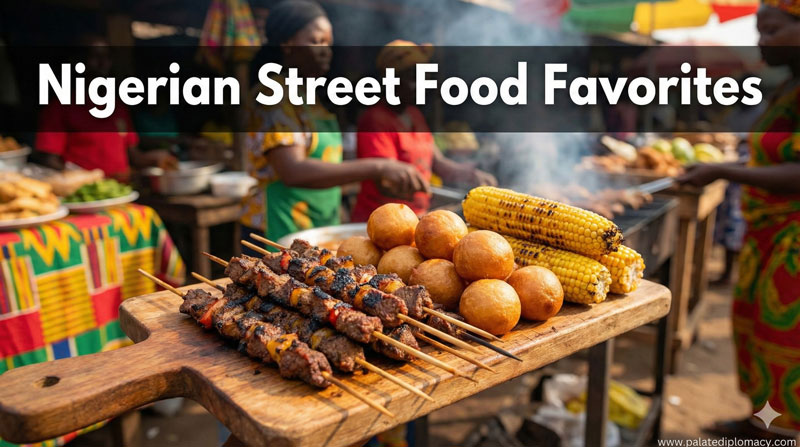
In Nigeria, roasted corn begins with fresh ears, harvested at their peak sweetness. Vendors toast the corn over an open flame, turning the cob slowly so every kernel browns evenly and develops a gentle smoky aroma. The heat concentrates the corn’s natural sugars, creating a soft, chewy interior with a lightly crisp outer layer. A glaze or seasoning follows. A common finish is a light brushing of oil or butter, a pinch of salt, and a squeeze of lime or lemon. Some cooks add a hint of pepper or a delicate spice blend to wake the flavors without overwhelming them. The result is a simple, satisfying bite that honors the corn’s natural sweetness while inviting a lucky palate to explore savory, bright, and smoky notes in one mouthful.
The Cultural Value of Roasted Corn
Roasted corn sits at a crossroads of everyday life and special moments. It is affordable and accessible, so people from many walks of life can enjoy it together. The aroma alone signals welcome and hospitality; it often marks the start of conversations, a cue for neighbors to pause and share a quick moment. In markets and street corners, roasted corn becomes a small, shared ritual—the clink of coins, the sizzle of kernels, the steady glow of the flame, and the friendly exchange between vendor and customer. This ritual is repeated across neighborhoods, weaving a shared experience that feels local to each street while still familiar to others who recognize the scent and the sight of a roasting cob.
The dish also supports a sense of place. Each region and community tends to bring its own touch to the roasting and seasoning. Some prefer a brighter citrus finish, others favor a richer, butter-laden glaze. The net effect is a tapestry of small differences that honor local tastes and techniques while upholding the same core idea: corn that is roasted, seasoned, and shared. In this way, roasted corn acts as a culinary ambassador for Nigerian food culture, inviting people to notice the care that goes into simple preparation and to appreciate how flavor, texture, and aroma can emerge from a handful of basic ingredients.
Culinary Significance and Techniques
From a cooking standpoint, roasted corn highlights essential techniques that many cooks carry with them into home kitchens. First, even heat is crucial. The cob needs steady, moderate flame to develop a uniform crust without scorching the kernels. Turning the cob slowly ensures consistent browning and a balanced smoky aroma. The texture—soft and pliant on the inside with a touch of crispness on the outside—results from that careful heat management.
Seasoning is the next pillar. A light oil or butter helps carry flavor and creates a gentle sheen on the kernels. Salt enhances sweetness, while citrus adds brightness and cuts through richness. A modest amount of pepper or a local spice blend can introduce warmth and complexity, echoing regional tastes without overpowering the corn’s natural personality. These techniques show how simplicity can deliver depth when executed with care.
The culinary significance also lies in how roasted corn adapts to different meals and moments. It pairs beautifully with bright beverages, yogurt-based dips, or fresh herbs, and it can accompany a wide range of snacks and main dishes. The dish demonstrates a balanced approach to flavor: respect the corn’s sweetness, add a touch of savory contrast, and keep the finish clean and refreshing. This balance is a common thread in Nigerian street food and home cooking, where straightforward methods yield memorable tastes.
Regional Variations and Local Touches
Across Nigeria, cooks bring local ingredients and sensibilities to roasted corn. In some areas, lime is emphasized to heighten citrus notes; in others, a dab of palm oil adds a deeper, mellow richness and a slight gloss. Pepper blends—or simply a pinch of chili powder—introduce gentle heat and a lively finish. Some vendors finish with a light dusting of ground peanuts or seeds, which adds texture and a touch of nutty flavor. These local touches show how roasted corn adapts to different palates while keeping its essence intact: a roasted ear, seasoned thoughtfully, enjoyed together.
Social Moments: Markets, Festivals, and Family Time
Roasted corn makes moments more memorable. In markets, the scent of corn on the flame draws customers from nearby stalls and sparks quick chats about freshness, variety, and how to best enjoy the corn today. During family gatherings and casual weekend meals, roasting corn can become a small social event—someone tends the fire, another person squeezes lime, and a child experiences the joy of tasting something hot and comforting. At festivals or communal celebrations, roasted corn appears as a familiar snack that links guests to the local food landscape. The dish serves as a bridge between everyday life and special occasions, reinforcing a sense of belonging and shared enjoyment.
Home Cooking: From Vendor to Kitchen
Many Nigerian households adopt roasting methods at home, especially during harvest seasons or family gatherings. A home-roast can mirror the vendor’s technique: open flame or grill, steady turning, and a mindful seasoning approach. The act of preparing roasted corn at home invites the cook to tune the flavors to personal preference, while still preserving the dish’s character. This home-to-market loop strengthens cultural continuity, as new cooks learn the craft and pass it on with pride.
Flavor, Texture, and Memory
The enjoyment of roasted corn goes beyond taste. The aroma, the sight of the glossy kernels, and the warmth of the fire all contribute to a sensory memory. People remember the feel of a hot cob in their hands and the satisfying pop of a kernel when bitten. Such memories become part of family stories, neighborhood tales, and daily routines. In this way, roasted corn is not just food; it is a small stage on which cultural memory plays out—quiet, flavorful, and enduring.
Sustainability and Respect for the Ingredient
A respectful approach to roasted corn emphasizes the journey from farm to flame. Fresh, seasonal corn supports local farmers and reduces waste. Simple, mindful seasoning respects the corn’s natural sweetness and avoids overpowering its character. When vendors and home cooks choose sustainable ingredients and careful preparation, they honor the land and the people who contribute to the dish’s existence. This mindful approach enhances the dish’s status as a staple that is both flavorful and responsible.
A Dish for Every Occasion
Roasted corn fits a wide range of moments. It can be a quick snack at the end of a busy day, a comforting accompaniment at a family meal, or a cheerful option at a community gathering. Its versatility comes from its simple foundation and its openness to regional flavors. This adaptability makes roasted corn a reliable and beloved element of Nigerian food culture, ready to comfort, celebrate, and connect.
Conclusion
Roasted corn is more than a tasty bite; it is a flavorful thread in the fabric of Nigerian food culture. Its method—roasting over flame, a light glaze, and thoughtful seasoning—reveals a craft that blends simplicity with care. The dish invites shared experience, regional variation, and personal memory. As it travels from market stall to home kitchen, roasted corn demonstrates how a humble ingredient can illuminate community, flavor, and tradition. In its warmth, aroma, and approachable charm, roasted corn stands as a gentle celebration of Nigerian culinary life, inviting everyone to savor the beauty of a sun-kissed corn cob and the cultural stories it carries.