
A Warm Welcome to Roasted Corn
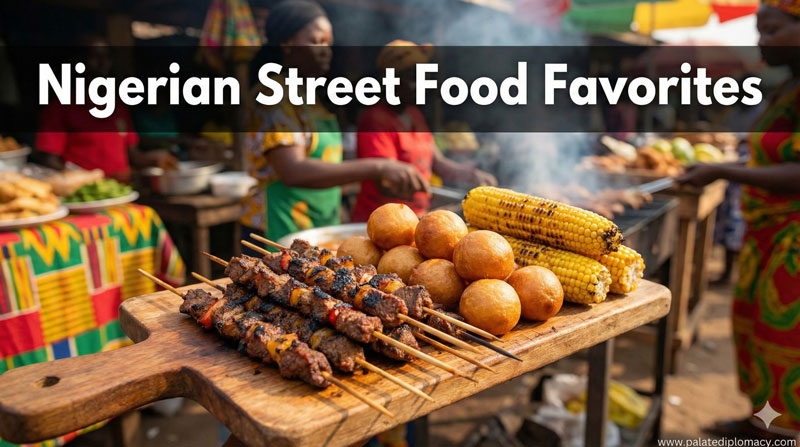
Roasted corn is more than a snack in Nigerian cuisine. It is a bright, lingering aroma that gathers people, minute by minute, across streets and markets. The kernels glow with a gentle char, and the bite carries a sweet, nutty note that invites a second taste. This dish shines because it is simple yet deeply rooted in moments of daily life—sharing with family, trading with neighbors, and celebrating a harvest of maize in small, joyful rituals. Here, roasted corn becomes a cultural touchstone that speaks of patience, craft, and community.
From Farm to Fire: The Journey of Maize
Maize is a familiar sight in Nigerian life. In the fields and at the stall, the ear announces a season of plenty. When the sun dries the husks and the kernels plump, vendors bring ears to the marketplace, ready for the next step: fire. Roasting transforms the grain, turning the natural sweetness into a smoky kiss that lingers long after the last bite. The choice of ears matters—his or her of a firm, plump kernel yields a juicier bite. The process is tactile and intimate: pick, husk, rinse, and then place over hot coals. The result is a warm glow, a scent that drifts through neighborhoods, and a promise of a shared moment.
The Art of Roasting: Techniques and Tools
Roasting corn is an art of balance. The flame should be lively but steady, so the kernels brown evenly without scorching. In many towns, artisans use a simple grill or a clay oven to coax depth from each ear. Some cook with the husk on, giving a protective shield that helps trap steam and moisture; others peel back the husk for a quicker, crisper finish. Throughout, turning the corn with care ensures an even roast and a glossy surface.
As the corn cooks, the aroma grows bolder. A light brushing of oil or butter enhances shine and carries a gentle richness. A pinch of salt is often added at the moment of serving, and a dash of pepper or a chosen spice blend heightens the corn’s natural sweetness. Optional accompaniments—slices of lime, a dab of pepper sauce, or a sprinkle of groundnut powder—offer a delightful contrast in flavor and texture. The kitchen-like ritual of tasting, adjusting, and sharing keeps the cooking honest and inviting.
A Sensory Experience: Texture, Aroma, and Flavor
The charm of roasted corn lies in its sensory spectrum. First comes the aroma: smoke, caramelized sugars, and a hint of nutty oil. Then the texture arrives—slightly charred edges giving way to tender, juicy kernels that pop with each bite. The flavor ranges from sweet and mild to lively and pepper-kissed, depending on the spice choice and the maize variety. This versatility makes roasted corn a perfect fit for various moments—from a quick street-side bite to a small gathering with friends after work.
Social Threads: Markets, Families, and Festive Moments
Roasted corn weaves social ties as it travels from stall to plate. Vendors set up at busy crossroads, market lanes, and roadside stops, creating a rhythm of commerce and conversation. Children tug at their guardians’ sleeves, eager for a taste, while grandparents share stories about favorite recipes and family memories. The moment of passing a hot ear into a neighbor’s or a friend’s hand becomes a tiny act of togetherness. In homes, families often pause to savor a shared ear before continuing with chores or chores of the day, turning a simple snack into a small ceremony of connection.
Regional Notes: How Different Regions Add Their Touch
Across Nigeria, small twists enrich the dish while keeping its heart intact. Some neighborhoods favor a brighter finish with a squeeze of lime and a light dusting of salt. Others lean into bolder flavors with peppery spice blends or a hint of groundnut powder brushed lightly on the kernels. In coastal areas, a touch of palm oil or coconut oil may glaze the corn, enhancing the glossy, rich finish. In inland towns, a smoky, charred edge often dominates, giving the corn a deeply roasted profile. Regardless of the variation, the shared act of eating together keeps the dish cohesive and beloved.
The Feast Beyond the Window: How Roasted Corn Shapes Dishes
Roasted corn often appears as a partner to other favorites in Nigerian cuisine. It pairs beautifully with a warm cup of pap (akamu or ogi), a traditional maize-based drink that complements the corn’s sweetness. It also stands well beside light stews or simple salads, offering a contrast in texture and temperature. In social gatherings, a plate of roasted corn becomes a convenient, portable treat that fuels conversation and movement, turning a gathering into a little festival of flavor.
Cultural Value and Culinary Significance
Roasted corn embodies a respectful balance between simplicity and craft. It honors the maize plant, the hands that harvest it, and the fire that brings it to life. The dish teaches patience—the art of waiting for the corn to roast to the right level—and it celebrates skill in turning a humble ear into A Beloved snack. The act of sharing reinforces hospitality, courtesy, and mutual enjoyment. In communities large and small, roasted corn becomes a common thread that links generations, neighborhoods, and everyday routines through a shared love of flavor and warmth.
Caring for the Craft: Preservation and Pride
Caring for roasted corn means honoring it as a living part of Food Culture. Vendors keep their tools clean and their grills ready, preserving a dependable, joyful experience for shoppers and families alike. Maize varieties with natural sweetness are selected with care, supporting sustainable farming and local growers. As rules of the street and markets evolve, the dish remains a reliable beacon of taste, texture, and heart.
A Gentle Conclusion: Keeping the Flame Alive
Roasted corn endures because it speaks softly yet clearly about Nigerian food culture. It invites, it nourishes, and it connects people in everyday moments. The dish sits comfortably at the crossroads of tradition and delight, proving that a simple ear of maize, kissed by flame and shared with friends, can carry a lasting story. By cherishing its aroma, texture, and social joy, we keep the flame of this beloved snack bright for generations to come.