
Introduction
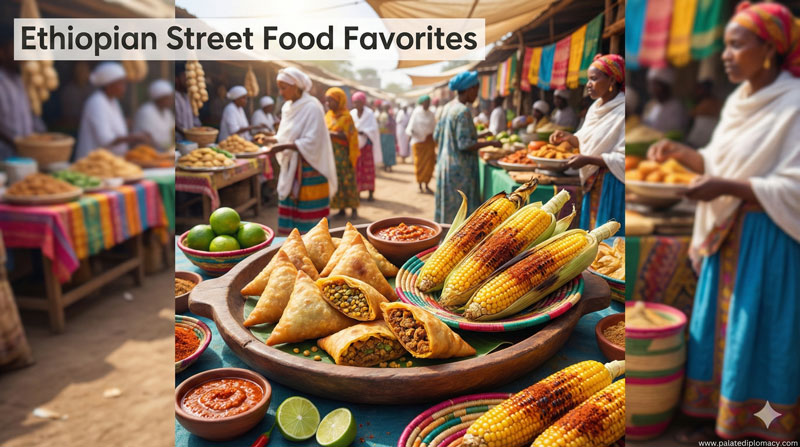
Roasted corn is a humble treasure in Ethiopian food culture. It travels from farm to flame, becoming a warm moment in markets, homes, and gatherings. This dish shows the care of hands that harvest, roast, and share. It invites people to slow down, notice aroma, and savor simple sweetness. In this post, we explore how roasted corn reflects cultural values and culinary practice, in a way that is inviting, respectful, and clear.
The Technique Behind the Glow
The magic starts with the corn itself. Ears are selected for plump kernels and fresh sweetness. They are husked and cleaned, then placed over a live charcoal flame. The vendor turns the corn steadily, so every side browns evenly. A light brush of butter or oil adds a gentle gloss and helps the kernels stay juicy. A pinch of salt is common, and occasional spice dust—Like a whisper of chili or a mild pepper blend—offers a subtle lift. The result is a corn on the cob with a smoky edge, a hint of sweetness, and a bright, mouth-watering aroma. The technique is simple, but it depends on patience, timing, and attention to heat. This craft creates a shared moment where skill and flavor meet.
Taste, Texture, and Cultural Dialogue
The first bite carries multiple voices. The kernels are tender yet resilient, with a slight snap that signals freshness. The smoke adds depth, while the natural sweetness shines through. Salt heightens the corn’s character, and a touch of fat rounds the flavors into a comforting balance. This taste connects to the land and harvest, offering a reminder of sun and soil in every mouthful. Texture matters here: the soft core, a gentle bite at the edge, and the lingering aroma create a conversation between senses. In this way, roasted corn becomes more than food; it becomes a language of everyday beauty that everyone understands.
A Social Ritual in Street Corn
Roasted corn is a social ambassador. Vendors call out with a friendly rhythm, and buyers respond with a smile. Markets, crossroads, and street corners become tiny gathering places where neighbors meet. Children tug at a vendor’s apron to catch a few warm kernels. Friends share a moment between bites, exchanging news as the corn cools. This ritual emphasizes hospitality, community, and shared enjoyment. The act of passing a hot piece to a neighbor or offering a nibble to a passerby is a sign of welcome and goodwill. In these scenes, roasting and eating corn helps knit daily life together.
Corn and the Plate: A Culinary Relationship
Roasted corn often stands on its own as a satisfying snack, yet it also plays well with other Ethiopian flavors. It can accompany a plate of stews or breads, providing contrast in texture and a sweet counterpoint to savory dishes. In homes and eateries, a cup of tea or freshly brewed coffee may accompany a tray of warm corn, creating a balanced moment of refreshment. The corn’s simplicity makes it versatile, a graceful partner to injera, legumes, and vegetable stews. This flexibility mirrors an approach to cooking that values everyday nourishment and quiet refinement.
Seasonal Rhythm and Local Markets
The appeal of roasted corn rises with the rhythm of the seasons. Fresh ears appear in markets as the harvest turns, and the scent of roasting signals a turning point in daily life. People pause between chores to enjoy a quick, satisfying bite. The practice reinforces a cycle of growing, sharing, and savoring. It is a small tradition that fits naturally into family routines, neighborhood life, and festive moments. Through this seasonal lens, roasted corn becomes a marker of continuity and care in the food culture.
Conclusion: A Dish of Quiet Beauty
Roasted corn embodies Ethiopian food culture in a compact, joyful package. It celebrates skilled simplicity, community, and the season’s generosity. The dish invites us to notice the glow of the flame, the sweetness of the kernels, and the warmth of shared meals. In every bite, we taste connection—between farmer and cook, between vendor and neighbor, between plate and heart. This is why roasted corn remains a beloved thread in the fabric of everyday cuisine: a small, radiant expression of hospitality, craft, and the beauty found in a simple, well-roasted bite.