
Introduction
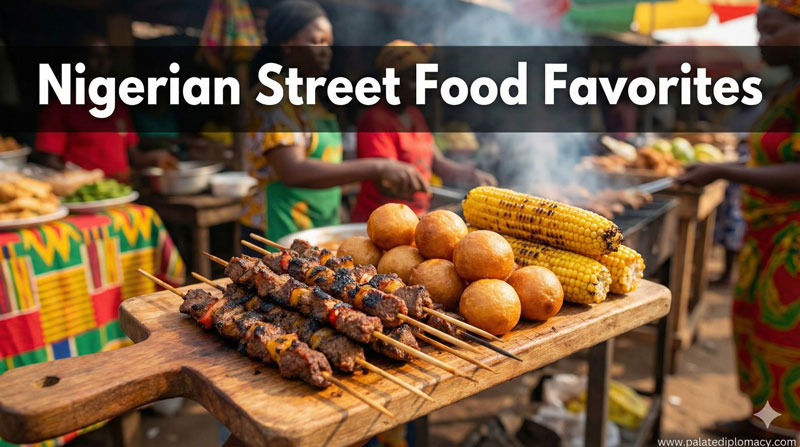
Roasted corn is more than a snack; it is a doorway into Nigerian Food Culture. The aroma, the texture, and the moment of sharing reveal how communities value simple ingredients, mindful preparation, and togetherness. From busy markets to quiet family yards, roasted corn acts as a graceful messenger of everyday life. It honors maize, a staple crop that nourishes many and travels easily from farm to table. The preparation is a small ritual that honors fire, patience, and craft. This post invites you to see how roasted corn carries meaning beyond taste.
The grain that connects people
Maize has long held a central place in Nigerian cooking. It appears on plates as porridge, fufu, or in breads, and it also shines as a beloved roasted corn on the cob. Its versatility reflects a culture that makes the most of what the land offers. Roasted corn brings generations together, from grandparents who remember the harvest to children who savor the first bite. The dish embodies balance: a humble ingredient elevated by careful flame, timely turning, and a touch of salt or spice. In this way, corn becomes a thread weaving families, markets, and celebrations into a shared memory.
The craft of roasting
The beauty of roasted corn lies in the craft. Open flames, charcoal, or wood provide the glow that caramelizes the kernels. Vendors and home cooks alike watch for a gentle char and a glossy sheen. A light brushing of oil or a pinch of salt enhances the natural sweetness and smoky depth. Some cooks finish with a squeeze of lime, a dusting of chili, or a fragrant spice mix. Each choice reflects a personal touch and regional preference. The act of turning the corn slowly teaches patience and attention—qualities that echo through daily life and festive occasions alike.
Texture, aroma, and flavor
Roasted corn offers a harmony of textures: crisp edges, tender centers, and a satisfying bite that lingers. The aroma is inviting, smoky, and subtly sweet. When you bite in, you experience a chorus of flavors: caramelized sugars, a hint of grill, and a clean corn finish. The contrast between exterior crunch and inner softness makes the dish feel celebratory, even in simple settings. This balance mirrors Nigerian culinary values that honor both technique and natural ingredients, allowing flavor to shine through with minimal adornment.
Social threads: sharing and community
This dish is inherently social. It travels from street stalls to family picnics and school events, always inviting sharing. Friends and neighbors gather around a pot of corn to chat, laugh, and enjoy a common treat. A single tray can feed many hands, turning a quick snack into a pause for connection. The social ritual around roasted corn strengthens community ties and creates small, memorable rituals that families carry forward. It is a symbol of hospitality and everyday joy.
Regional flavors across the country
Across Nigeria, roasted corn reflects local tastes and climate. In some regions, pepper and spice give a lively kick that brightens the sweetness of the kernels. In coastal areas, a hint of lime or coconut-infused seasoning may appear, adding a tangy brightness. In inland markets, smoky notes from longer roasting deepen the flavor. Even the same basic dish can glow with different regional accents, showing how culture can honor diversity while keeping a shared beloved food at the center.
Everyday and festive occasions
Roasted corn sits comfortably in both everyday life and festive moments. It accompanies mindful lunches at school or work and shines at weddings, market days, and religious gatherings. Its portability Makes It suitable for strolls through neighborhoods or for long afternoons outdoors. In all settings, the corn remains a comforting, familiar presence that can be enjoyed alone or passed around the table. This versatility underscores its status as a staple that adapts to memory and mood.
Pairings and serving traditions
The ways to enjoy roasted corn are simple and expressive. A light sprinkle of salt heightens the natural sweetness. A squeeze of citrus adds brightness, while chili powder or pepper gives warmth. Some serve corn with a dollop of peanut sauce or a light oil drizzle to enrich the mouthfeel. Fresh herbs or chopped onions can add a crisp note. Served hot, the corn offers immediate comfort; served at room temperature, it remains a satisfying, leisurely bite. These pairings highlight an openness to flavor and a respect for the ingredient’s core quality.
Market moments and everyday economy
Roasted corn highlights the pulse of local markets and street life. Vendors move with the rhythm of customers, balancing brisk service with careful roasting. The dish supports small livelihoods, offering a modest, reliable product that travels well and satisfies quickly. In this way, roasted corn becomes a microcosm of how Nigerian food culture thrives on accessibility, skill, and shared abundance. The friendly exchange between cook and eater strengthens social bonds and reinforces a sense of place.
Sustainability and respect for ingredients
Cooks honor the source of their corn by using what is available, minimizing waste, and treating the kernels with care. The husks can become natural packaging or even kindling, reflecting a respectful, practical approach to cooking. Roasted corn invites a mindful pace: choosing fresh corn, controlling heat, and appreciating the aroma as it fills a space. This approach embodies a balanced relationship with the land and with the people who share the meal.
Conclusion
Roasted corn is a quiet ambassador of Nigerian food culture. It celebrates maize as a dependable staple, honors the craft of outdoor cooking, and invites generosity and conversation. The dish bears witness to a culture that values simplicity refined through practice, and it honors the social fabric that gathers around a shared bite. When you taste roasted corn, you taste a tradition of warmth, community, and everyday beauty. It stands as a small, bright emblem of nourishment and belonging within the vibrant tapestry of Nigerian cuisine.