
Introduction
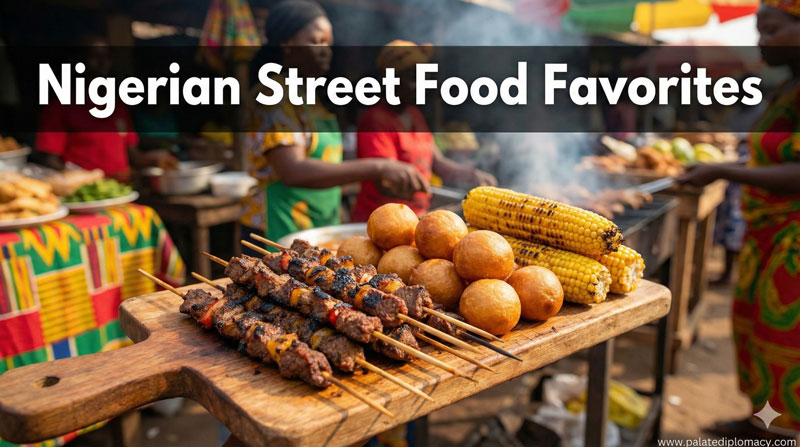
Roasted corn is a bright, welcoming presence in Nigerian streets, markets, and home kitchens. It is more than a snack; it is a shared moment that invites neighbors to pause, smile, and savor. This dish embodies a simple beauty: maize kernels transformed by fire into a smoky, sweet bite that honors daily life and the joy of good company. In Nigerian Cuisine, roasted corn stands as a humble celebration of harvest, craft, and community.
The Journey of Roasted Corn in Nigerian Food Culture
Maize grows widely across many regions, making roasted corn a familiar sight from village lanes to city corners. Farmers and vendors nurture the ears with care, and the kitchen fires glow as corn meets heat. On the street, a vendor tends the flame with steady hands, turning the corn to achieve even color and fragrance. The result is a sensory invitation: aroma first, then texture, then flavor. Over time, this simple technique has become A Beloved ritual that travelers and locals alike recognize and anticipate. The dish travels through everyday life, weaving itself into moments of work, play, and rest.
Techniques and Flavors That Define the Dish
Roasting corn in Nigeria typically begins with clean, husked ears placed near a steady flame. A light brush of oil or palm oil helps carry flavor as the kernels blister and caramelize. Turn by turn, the corn develops a slight char that adds depth without overpowering its natural sweetness. A pinch of salt is common, and some cooks favor a hint of heat with chili powder or a touch of suya spice. A squeeze of fresh lime or a dab of butter can brighten the profile, while a drizzle of groundnut oil or coconut milk adds a gentle richness. These small touches showcase the versatility of roasted corn and its ability to pair with a range of tastes while staying true to its core character.
Flavor, Texture, and the Experience of Enjoying It
Each kernel offers a bright, juicy bite accented by a smoky edge. The exterior blistering gives a pleasing chew that contrasts with the tender interior. The aroma—sweet corn, smoke, and a whisper of spice—pulls people closer. The experience is tactile as well as sensory: warm corn held in the hand, the soft pull of the kernels, and a satisfying finish that lingers just enough to invite another mouthful. This balance of sweetness, smoke, and subtle seasoning makes roasted corn a versatile canvas for personal taste and shared enjoyment.
Cultural Significance and Everyday Moments
Roasted corn anchors everyday moments across Nigerian life. It appears during busy market days, where stalls glow with colors and chatter. It accompanies family walks after church or school, turning a routine outing into a small celebration. Children and adults alike savor the aroma as it travels through the air, creating a simple link between individuals and their surroundings. The dish also marks harvest rhythms, with fresh ears appearing as the maize season peaks in different regions. In these moments, roasted corn becomes a thread that connects farmers, vendors, and diners, highlighting the joy of ordinary nourishment done with care.
Pairings and Serving Traditions
The beauty of roasted corn lies in its adaptability. Serve it hot with a wedge of lime, a light sprinkle of salt, and a gentle brush of oil to enhance natural sweetness. Some enjoy a dab of pepper sauce or a small cup of spicy accompaniment to wake the palate. A sprinkle of crushed groundnuts or a soft smear of palm oil can add texture and depth for those who like richer notes. In markets and homes, roasted corn often travels with family-style sharing, where several ears are passed around and each bite becomes a moment of connection.
Conclusion
Roasted corn remains a radiant thread in Nigerian cuisine, weaving together farmers, vendors, and diners in a tapestry of flavor and memory. Its simplicity invites curiosity, hospitality, and conversation, while its smoky sweetness and crisp edges celebrate skill and care in everyday cooking. Through each bite, the dish honors the beauty of humble ingredients elevated by fire, care, and community. In this way, roasted corn stands not only as a dish but as a cherished cultural value within Nigerian culinary life.