
Introduction
Rosół, the clear Polish chicken broth, holds a special place in many homes. It is more than a soup; it is a gentle routine that marks welcome, care, and togetherness. in Polish kitchens, the act of preparing and sharing rosół invites conversation, patience, and a sense of belonging. This post looks at its cultural value and culinary significance, highlighting why families return to rosół with warmth and anticipation.
The craft behind a clear, fragrant broth
First, choose good ingredients. A whole chicken or a mix of bones provides depth, while fresh vegetables build aroma. Next, simmer slowly rather than boil hard. A gentle simmer keeps the liquid clear and allows the flavors to mingle. Skimming the surface as needed prevents cloudiness and concentrates the scent. Common aromatics include onion (often roasted lightly to deepen the sweetness), carrots, parsley root, and leek. Peppercorns and bay leaves add subtle warmth, and a touch of salt brings balance. Finally, the broth rests briefly after cooking, then is strained to reveal a bright, comforting liquid.
For home cooks, the ritual matters as much as the result. The method rewards patience with a broth that glows with clarity and a scent that signals welcome. In many homes, the same recipe is handed down from one generation to the next, refined by small family preferences and the touch of a grandmother’s intuition.
The serving ritual: noodles, bowls, and sharing
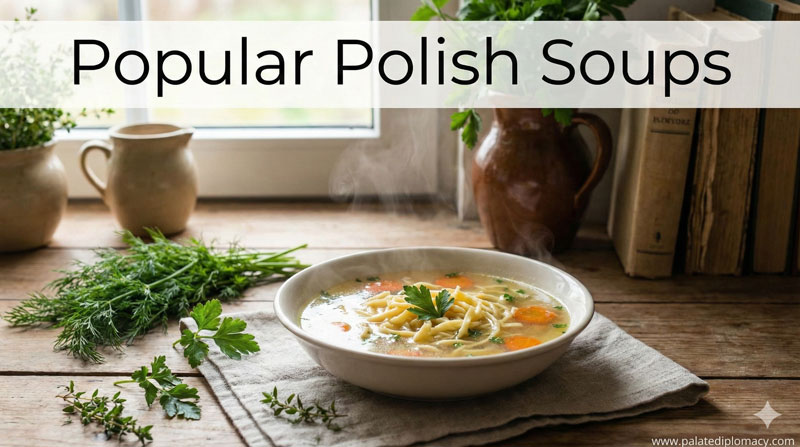
Next comes the moment of service. Rosół is typically enjoyed hot, poured into warmed bowls. Noodles or kluski—often egg noodles—are added so each spoonful carries a bit of warmth and texture. Some families pre-cook the noodles and ladle them into bowls at the table; others place raw noodles into the bowls and pour the hot broth over them. A sprinkle of chopped parsley or fresh dill adds a green note that brightens the dish. The act of gathering around the table to share rosół creates a small ceremony of hospitality, where every person is offered a moment of nourishment and calm.
Rosół as a thread of family memory
Rosół often acts as a thread that weaves family memory through generations. It is frequently prepared with a sense of continuity and care, a dish that signals welcome and home. The familiar aroma can spark stories, memories of kin, and the comfort of a shared kitchen. In this way, rosół becomes more than a meal; it becomes a touchstone for affection, patience, and the quiet joy of ordinary Sundays or special family gatherings.
Regional flavors and variations
Across Poland, kitchens put their own stamp on rosół. While chicken remains the classic base, some households explore subtle regional variations in seasoning, vegetable choices, or the type of noodles served. The balance between aromatics and clarity may shift slightly from family to family, but the essence remains the same: a respectfully prepared, clear broth that invites friends and relatives to linger at the table. These small differences celebrate local fondness for seasonal produce and the intimate knowledge a family builds over time.
Rosół in modern Polish dining
In today’s homes and dining spaces, rosół continues to symbolize hospitality and care. It adapts to different schedules, offering a comforting starter for a full meal or a simple, restorative dish on a busy day. The dish remains approachable, yet deeply meaningful—a reminder that cooking is an act of generosity. As more people explore traditional recipes, rosół stands as a gentle ambassador of Polish food culture: clear, fragrant, and welcoming to all who sit at the table.
Conclusion
Rosół embodies the beauty of Polish food culture through its clarity, aroma, and communal spirit. Its preparation is a quiet craft, and its serving is a warm invitation to share time together. By honoring this dish, families celebrate nourishment, memory, and hospitality—the heart of traditional Polish dining.