
Why Rye Bread Holds a Special Place in Nordic Kitchens
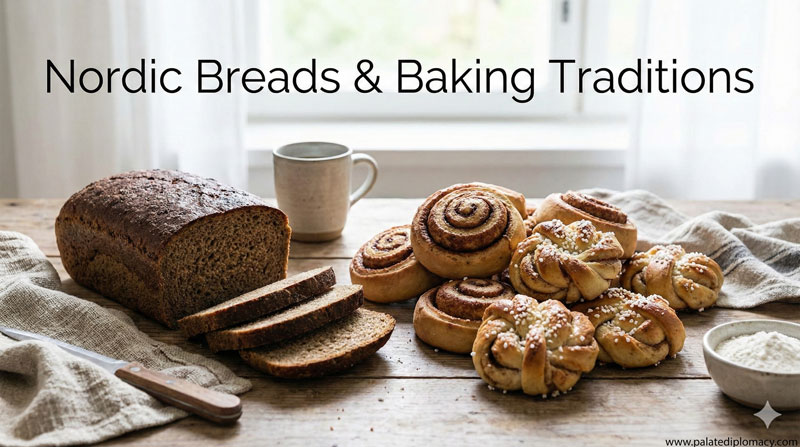
Rye bread shines in Nordic kitchens as more than a staple. It carries a quiet grace and a steadfast reliability that travelers and locals alike notice. The bread’s deep flavor, sturdy crumb, and long shelf life make It a trusted companion from morning to evening. In every bite, you feel a touch of the land, the weather, and the careful hands that kept the dough alive through time. This is a bread that invites pause, conversation, and a sense of belonging at the table.
The Grain, the Fermentation, and the Craft
Rye brings a distinct character to bread. Its flour is denser than wheat, with a tangy note that grows brighter as fermentation deepens. The magic lies in the sourdough or naturally fermented starter that ripens the dough slowly. Fermentation unlocks flavors, develops aroma, and tenderizes the crust. In Nordic kitchens, bakers value patience and rhythm: a dough made with rye often rests longer, or is given a gentle rise in a cool place. This careful process yields a crumb that is compact yet airy, a crust that crackles softly, and a scent that tells a story of time, weather, and craft. The result is a bread that pairs well with many toppings and sauces, making each slice feel intentional and generous.
Daily Life and Rituals: Rye Bread at Every Meal
Rye bread anchors daily meals with dependable taste and texture. For breakfast, a thick slice with butter, a dash of sea salt, and perhaps cheese or smoked fish begins the day with steady energy. At lunch, rye bread becomes the base for open-faced sandwiches, or smørrebrød, where toppings are arranged with care and balance. The same loaf carries through afternoon snacks and evening rituals, offering resilience in a busy schedule. The ritual of slicing the loaf, buttering a piece, and choosing a topping becomes a small ceremony that honors the meal and the people sharing it. This bread’s versatility and reliability support a rhythm of meals that feel cohesive and comforting, no matter the season.
Regional Voices: Rugbrød, Ruisleipä, and Kin
Nordic rye bread has a family of regional expressions, each with its own warmth and texture. Denmark’s rugbrød is a classic: a dark, dense loaf studded with seeds or dried fruit, sliced thin for sandwiches. Sweden shares a love for rye with rågbröd varieties that can be lighter or denser, often baked in loaf pans and finished with a rustic crust. Finland presents ruisleipä, a deeply flavored rye bread that can be made with a blend of rye and sometimes malt or sweeteners, yielding a crumb that speaks to long winters and bright mornings. Norway and Iceland also offer rye-rich breads, crafted with regional grains and sometimes crowned with seeds or caraway. Across these countries, the core idea remains the same: a bread that honors rye’s sturdy character while inviting playful variations. The variety itself is a testament to how communities adapt a single grain to local tastes, climates, and memories.
Techniques and Traditions: From Sourdough to Slicing
The craft of Nordic rye bread blends technique with respect for time. Bakers often begin with a sourdough starter that has lived in the family or bakery for years. This starter carries a history of previous loaves and continues to feed the dough with flavor and lift. Some recipes call for a mix of rye and wheat flours to create a crumb that holds together yet remains open enough to breathe. Seeds—caraway, sesame, fennel, or coriander—frequently find a place on the crust or within the loaf, adding aroma and a gentle pop with each bite. Steam and a steady, moderate heat help set the crust while keeping the interior moist and fragrant. Bakes can occur in traditional stone or brick ovens, modern steam ovens, or home ovens that have learned to mimic a bakery’s moisture. These techniques create loaves that slice cleanly, hold up to heavy toppings, and stay tender for days.
Tasting Notes and Pairings: What Happens on the Plate
When you taste rye bread, you notice a robust, earthy sweetness layered with a faint sour tang. The crust offers a satisfying crack, while the crumb stays compact with a pleasing chew. This bread shines when paired with fish, smoked or cured, where the salt and fat contrast beautifully with the bread’s grainy character. Butter or soft cheese, cucumber, radish, or pickles add crunch and brightness. A slice can carry a lean, clean taste or become the foundation for a generously topped open-faced sandwich. Coffee or tea complements the bread’s deep flavors, inviting a slow, mindful bite. The versatility and balance of rye bread make it a reliable vehicle for seasonality and regional ingredients, enriching the table with simplicity and grace.
Communities of Bakers: Keeping a Shared Heritage Alive
Behind every loaf is a circle of hands that keeps the craft alive. Families pass down techniques, proportions, and timing from one generation to the next. Local bakeries celebrate rye bread with pride, inviting customers to witness the loaf’s journey from starter to crust. Shared recipes, seasonal additions, and community markets create a living tradition. In many households, a weekly bake becomes a small festival—a moment to gather, share stories, and savor the bread’s familiar warmth. These communities sustain the bread’s presence in Nordic culture, turning a daily staple into a symbol of care, craft, and connection.
A Modern Mosaic: New Takes Within Respectful Tradition
Today’s bakers explore new textures and flavors while honoring tradition. Some experiment with different seed mixes, ancient grains, or lightly toasted malts to deepen color and aroma. Others adapt the loaf for gluten-conscious diets by refining the balance of rye and other flours, preserving the bread’s character while widening accessibility. Even as recipes evolve, the focus remains on quality ingredients, careful fermentation, and a patient bake. This modern mosaic reflects a culture that loves its heritage yet welcomes thoughtful innovation. The result is rye bread that feels both timeless and fresh, inviting both longtime fans and new appreciators to participate in the Nordic bread story.
Final Thought: The Enduring Warmth of Nordic Rye
Rye bread stands as a gentle ambassador of Nordic Food Culture. It embodies patience, collaboration, and a deep respect for simple, nourishing ingredients. Its presence on the table signals hospitality, care, and shared joy. In every slice, you taste the land’s rhythm and the hands that tended the dough with quiet dedication. For many, rye bread is more than nourishment; it is a comforting ritual that unites family, friends, and neighbors around a common favorite. As a result, it remains one of the most loved Nordic dishes—not only for its flavor but for its cultural resonance and culinary significance.
If you’re curious to explore this bread at Home, start with a simple rye-forward dough, practice a slow fermentation, and keep the process gentle. Observe how the aroma shifts as the dough rises. Notice how the crust darkens and thickens with each bake. Enjoy the moment when a slice reveals a tender interior, a sturdy bite, and that signature rye aroma. Over time, you will discover why rye bread continues to capture the hearts of Nordic kitchens—day after day, loaf after loaf.