
The Story Behind Sajji, a Pakistani Food Favorite
Sajji is a beloved emblem of Pakistani Food Culture. It embodies warmth, skill, and a shared experience around the fire. At its heart, sajji is about patience, craft, and generosity. The dish invites people to gather, listen to the sizzle, and savor a moment that feels both humble and celebratory. When sajji arrives, the aroma signals hospitality and care.
The Craft of Preparation
The journey begins with choosing a whole leg of lamb or a whole lamb, or a large cut, depending on the setting. Cooks season the meat with a simple, vibrant blend of salt, cumin, coriander, garlic, and chili. Some kitchens add lemon juice or yogurt for a tangy lift. The meat rests so the flavors mingle. A long spit finds its home in the heart of the fire. The skewered meat roasts slowly over charcoal, turning steadily to achieve an even, golden crust. The process requires attention: steady heat, careful turning, and a moment of patience as the juices settle. In many homes, the cook checks for tenderness by gently pressing the meat with a knife. When the surface grows blistered and fragrant, sajji feels almost ready to tell its story.
There are regional touches too. In some places, a rice stuffing is tucked inside the meat, adding texture and aroma as it cooks. The spices stay close to the surface, inviting a close, interactive tasting rather than a distant, heavy marinade. The result is a piece of craftsmanship that shines as much in technique as in flavor.
The Flavor Palette: Texture and Taste
Sajji greets the palate with a crisp, smoky crust and a juicy, tender interior. The outer layer holds a gentle crunch, while the inside remains moist and bright. The spice mix provides warmth without overpowering each bite. Aromas of roasted meat mingle with hints of garlic, herb, and citrus. The overall experience is balanced and satisfying, inviting slow savoring rather than swift eating. The plate often arrives with simple accompaniments that complement the meat rather than compete with it.
The Social Heartbeat: Hospitality and Sharing
A central value of sajji is hospitality. The dish is frequently prepared for guests at gatherings, celebrations, and family feasts. The act of sharing—from the central spit to the communal plate—highlights generosity and togetherness. Friends and relatives gather around the fire or table, exchange stories, and listen to the sizzle. The moment of serving, where the first slices are laid out, feels ceremonial yet welcoming. This social ritual elevates sajji from a meal to a meaningful memory that travelers and locals alike carry with them.
Regional Threads: Variations Across the Landscape
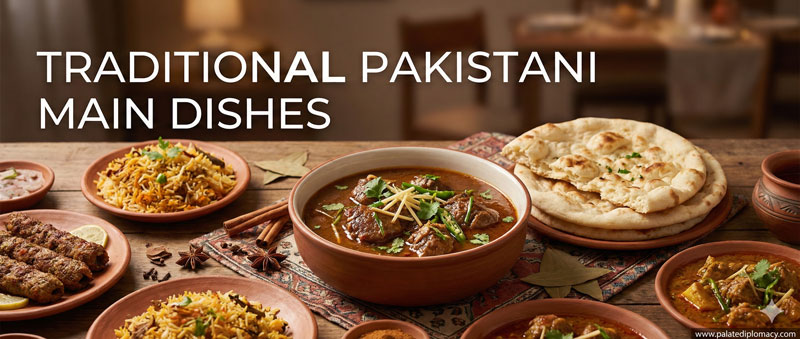
Across Pakistan, sajji is celebrated in many forms. In coastal and desert-adjacent towns, cooks emphasize a smoky, straightforward spice profile that respects the meat’s natural flavor. In higher plains and bustling markets, sajji may feature a touch more herbaceous brightness and a slightly richer finish. Common threads include the use of simple, bold spices, slow roasting, and a focus on the aroma as part of the experience. Plate presentations often pair sajji with plain basmati rice, fresh flatbreads, and crisp salads, allowing the meat’s character to shine.
Pairings and Presentations
Sajji is commonly served with yogurt or a light mint chutney, which offers a cooling contrast to the roast’s warmth. Fresh herbs, onion slices, and lemon wedges appear on the side to add brightness. A bowl of rice or warm flatbread completes the meal, turning sajji into a communal feast. The presentation emphasizes generosity—large portions shared among guests, with careful slices carved for each person. This approach honors the dish as a cultural treasure rather than a solo indulgence.
Keeping Tradition Alive: Modern Takes, Quiet Respect
Today, sajji reaches tables in homes, restaurants, and street-food spots with thoughtful care. Chefs preserve classic techniques while exploring accessible methods for home cooks. Even as new kitchens experiment, the core values remain intact: patience, communal joy, and reverence for flame-driven cooking. The dish continues to teach respect for traditional methods, while inviting wider audiences to learn about its beauty and its place in food culture.
Conclusion: A Nurturing Piece of Pakistani Food Culture
The story of sajji is a story of hospitality, technique, and shared delight. It celebrates the human touch in cooking—the skill to turn simple ingredients into a ceremony of flavor and friendship. As the meat cooks slowly and the aroma fills the air, sajji invites us to pause, listen to the crackle of the fire, and join in a timeless ritual of welcome. In this way, sajji remains a cherished Pakistani food favorite, valued for its culinary significance and its ability to bring people together.