
Why Sambusa Is One of Ethiopia’s Most Loved Dishes
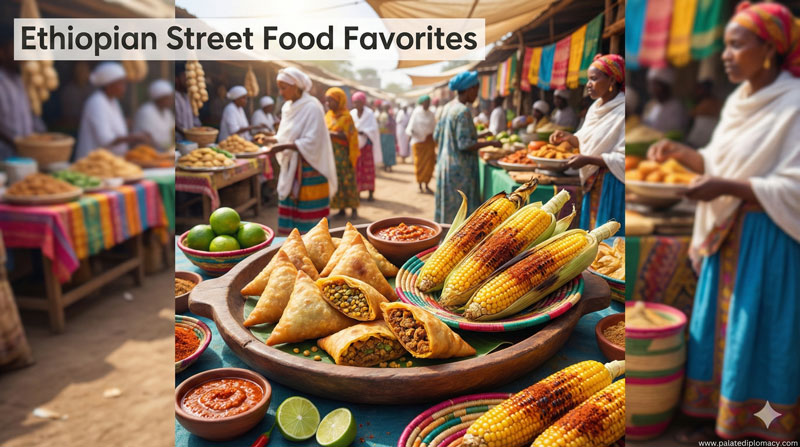
On the Ethiopian table, sambusa shines. This small fried pastry carries bold flavors and a welcoming rhythm. It is more than a snack; it embodies hospitality. People gather, share stories, and pass around warm triangles filled with savory goodness. In markets, homes, and tea houses, the scent of fried pastry greets visitors. Sambusa invites conversation and signals care. Its popularity comes from a balance of crunch, warmth, and aroma.
A Brief Tale of Flavor and Craft
Cooks draw flavor from simple staples. A thin dough wraps a generous center. The filling mixes minced meat or lentils with onions, garlic, and bright herbs. Spices like cumin, coriander, and black pepper lift the blend. The dough rests, then is rolled very thin. Triangles are sealed with skill and fried until crisp and golden. The process feels Like a small act of welcome, shared across generations.
The Dough and Filling: A Harmony of Textures
Butter or oil brings richness to the dough. The mixture yields a light, crisp crust and a tender interior. Some kitchens use semolina for extra bite. Fillings vary: seasoned ground meat, lentils, or peas all find warmth in sambusa. Onions caramelize to sweetness; herbs brighten the blend. Each triangle delivers a gentle crunch at the edge and a soft center inside. When fried at the right heat, sambusa holds its shape and aroma wonderfully.
Cultural Significance at Gatherings
From busy markets to quiet family moments, sambusa marks a welcome pause. Families prepare it together, passing a rolling pin and a tray. Children watch, learn, and imitate the careful folds. The snacks travel with guests, pairing nicely with tea or coffee. Vendors offer warm sambusas to visitors and shoppers, adding a moment of delight to the day. Sharing sambusa fosters a sense of belonging and warmth, weaving itself into everyday and festive occasions alike.
Techniques and Ingredients: Craft Passed Down
Seasoned cooks share tips with apprentices. Mastery appears in the even seal and consistent thickness. A gentle touch keeps edges tight and the filling contained. Local spices vary by region, giving each variant a distinct signature. Some families fold more tightly for a crisper edge; others favor a softer bite. The care in technique mirrors the care shown in daily life and community.
Enjoying Sambusa: Pairings and Moments
Serve sambusa warm with a cup of Ethiopian coffee or tea. A squeeze of lemon brightens the filling. A simple tomato-chili sauce adds brightness. The aroma invites conversation and slow savoring. Its portability makes it easy to enjoy on streets, in homes, or at gatherings. Sambusa pairs well with fresh herbs, crisp salads, or a light yogurt dip for balance.
Conclusion: A Beloved Thread in Ethiopian Food
Sambusa stands as a small but powerful expression of Ethiopian taste. It celebrates balance, craft, and community. Its presence in homes and markets shows how a humble pastry can carry memory, welcome, and joy. Each bite tells a story of shared meals, careful preparation, and the beauty of everyday cooking. Sambusa remains a treasured, nourishing note within Ethiopia’s rich culinary landscape.