
Why Sambusa Is One of Ethiopia’s Most Loved Dishes
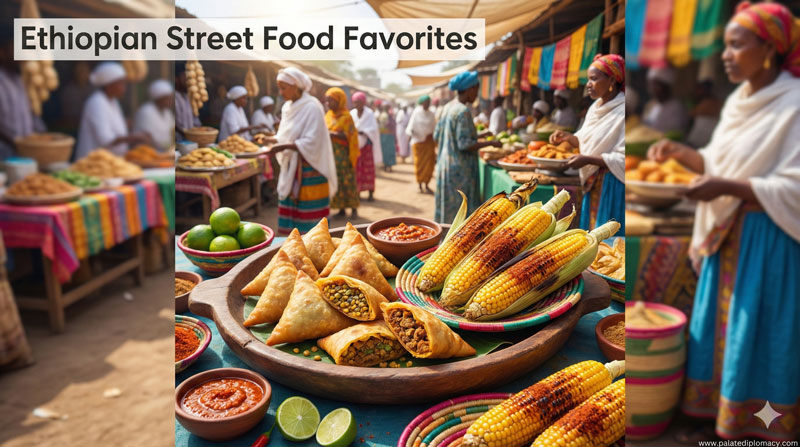
Sambusa is a small, golden parcel that many Ethiopians reach for with warmth and anticipation. Its crisp shell hides a fragrant filling that can be savory, hearty, and gently spiced. This dish travels easily from a crowded market stall to a quiet kitchen table, gathering smiles as it goes. In Ethiopian meals, sambusa is more than a snack; it is a cheerful invitation to share and to savor. Its popularity comes from its balance of texture, aroma, and heartening flavor.
The Heart of Ethiopian Hospitality
Hospitality shines through in the ritual of offering sambusa. A plate of these turnovers signals welcome and generosity. Guests are invited to sample one while conversation flows. The act of sharing sambusa acts as a bridge between generations and neighborhoods. It pairs well with tea, coffee, or a simple crowd around the table. This simple gesture, repeated in homes and markets, helps weave a sense of belonging and comfort.
The Craft Behind the Crunch
Making sambusa begins with a thin, flexible dough. Cooks roll it into delicate sheets, then cut small triangles or rectangles. A careful filling follows: meat, lentils, or vegetables are seasoned with a bright blend of spices. Common additions include onions, garlic, cumin, coriander, and chili. The pieces are sealed tightly to keep their aroma inside. Finally, they are fried until the outside turns crisp and light golden. Some cooks bake sambusa for a lighter touch, offering a different texture but the same comforting scent. The craft is practical, joyful, and accessible to home cooks and street vendors alike.
Flavors That Echo Ethiopian Kitchens
The essence of sambusa lies in its filling and its shell. The shell is crisp and delicate, inviting a satisfying snap. The filling is aromatic and well-balanced. Spices such as cumin, coriander, and sometimes berbere or mitmita give warmth without overwhelming. Fresh herbs may brighten the mixture. Meat options range from beef to lamb, while vegetarian versions showcase lentils, peas, or potatoes. Each variation carries a familiar note of home and family, reflecting the region’s pantry staples and favorite spice blends. The result is a versatile dish that tastes Like a shared memory of cooking and gatherings.
Occasions, Rituals, and Daily Moments
Sambusa shines in festive moments and daily routines alike. It is a familiar sight during family gatherings, holiday meals, and market visits. During religious or cultural celebrations, sambusa appears on trays as neighbors come together to eat, chat, and celebrate the day. It also holds a place in everyday life, enjoyed as a quick bite between chores or as a comforting snack during a busy afternoon. This adaptability helps sambusa stay a constant thread in the fabric of Ethiopian food culture.
A Dish That Travels Within Flavor
Though rooted in Ethiopian kitchens, sambusa also travels in flavor imagination across regions and generations. Local families put their own stamp on the recipe, using available ingredients and preferred spice notes. This flexibility—retaining the crisp shell, the inviting aroma, and the friendly presentation—keeps sambusa relevant and beloved. The dish serves as a culinary ambassador of warmth, making it easy to celebrate Ethiopian cooking with friends near and far.
Keeping Sambusa Alive in Modern Ethiopian Cuisine
Today, home cooks and professional chefs alike expand the boundaries of sambusa. You might find traditional beef fillings alongside lentil and vegetable versions, all prepared with careful technique and clear, accessible language in recipes. Classic pairs, such as tea or coffee, remain natural accompaniments. At markets and eateries, the dish continues to invite curiosity and conversation. Most importantly, sambusa remains a respectful celebration of craft, flavor, and community.
If you are new to Ethiopian cuisine, consider starting with a simple beef sambusa and a cup of strong coffee. Notice how the aroma leads your senses, how the shell gives way to a warm, savory filling, and how sharing the bite creates a moment of connection. Sambusa is more than food; it is a small ceremony of welcome, tradition, and joy.