
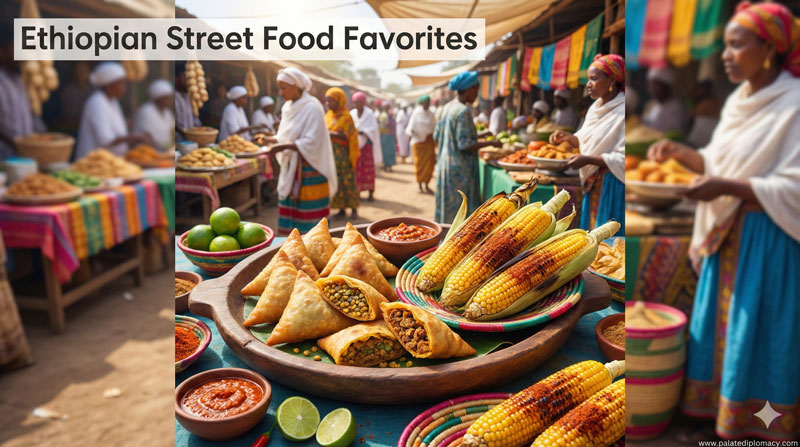
Why Sambusa Is One of Ethiopia’s Most Loved Dishes
Sambusa holds a special place in Ethiopian dining. It appears at family tables, in markets, and in festive gatherings with a warm, inviting energy. The dish speaks to shared moments, to the care shown in everyday cooking, and to a long tradition of neat, pocketed pastries that hold fragrant fillings. Its appeal is simple and lasting: a crisp, golden shell that gives way to a flavorful heart. This combination of texture and taste makes sambusa not just a food, but a memory in the making. People come back to it again and again because it feels both familiar and exciting, a small feast you can carry in your hand.
The Dough and Shell: Texture That Welcomes
The shell of sambusa is the first sign of its gentle artistry. The dough is rolled very thin, then folded into a triangle that will hold its shape when fried. The result is a light, crisp crust that shivers at the touch of a bite. In many kitchens, the dough rests briefly, giving it elasticity. This rest helps the filling stay inside without bursting. The act of sealing the edges with a careful pinch becomes a small ritual, a moment of focus before the heat of the frying pan. When the pockets emerge from the oil, they gleam with a golden hue and a subtle sheen, promising a satisfying crunch and a warm interior.
The Filling: A Palette of Flavors
Filling sambusa is where culture meets creativity. You will commonly find fillings of minced meat with onions, garlic, ginger, and peppers, spiked by spices such as cumin, coriander, and a hint of chili. Vegetarian versions feature lentils, split peas, or potatoes with the same aromatic backbone. Ethiopian spice blends like berbere or mitmita add depth and heat, balanced by herbs and a touch of lemon or lime for brightness. Each bite blends savory, spicy, and tangy notes, creating a harmony that feels both comforting and vibrant. The filling reflects local ingredients and family preferences, giving sambusa a personality that adapts with the cooks who shape it.
The Fry and Aroma: Craft in the Moment
The moment sambusa meets hot oil is a small performance. The dough absorbs just enough fat to become crisp while staying tender inside. The aroma rises quickly, weaving through the kitchen with notes of toasty flour, garlic, and spices. A steady, careful fry preserves the shell’s texture and prevents overbrowning. This is where skill shines: a good fry requires attentive heat and steady timing, so each pocket arrives at the table evenly crisp and flavorful. When they come out, they rest briefly to drain excess oil, then join plates ready for sharing. The scent alone can invite conversations and stir appetite in the most welcoming way.
Sharing at the Table: Sambusa as Social Glue
Sambusa is a social dish in many homes. It is easier to share than a large plate and travels well from kitchen to kitchen. Preparing sambusa becomes a family activity, with different hands folding wrappers, filling pockets, and sealing edges. The result is more than food; it is a small ceremony of cooperation and care. On the table, sambusa is often enjoyed with tea, a bright chutney, or a cooling yogurt dip. The act of passing plates, complimenting a perfect fold, and inviting someone to try a new filling strengthens bonds. In this way, sambusa nourishes both body and community, turning a snack into a social treasure.
Regional Variations Across Ethiopia: A Tapestry of Tastes
Across Ethiopia, you will find variations that honor local harvests and preferences. Some regions favor meat fillings, while others celebrate lentils, peas, or potatoes. Shapes may shift from slender triangles to broader pockets, and frying methods can differ, adding a touch of local character. Spices are often adjusted to reflect regional palates—more chili where you crave heat, gentler warmth where milder flavors prevail. Despite these differences, the core idea remains the same: a delicate pocket that carries aromatic, well-balanced fillings. This regional diversity shows how sambusa adapts with care to place, season, and family tradition while staying unmistakably Ethiopian in spirit.
Pairings, Traditions, and Occasions
Sambusa pairs beautifully with the rhythms of daily life and special moments. It fits into market strolls, family gatherings, and festive meals with equal ease. The bright, spicy notes invite conversations about ingredients, methods, and memories. Typical accompaniments include a tangy sauce or chutney and a hot cup of tea or coffee, which helps cleanse the palate between bites. The dish invites tasting and sharing, encouraging guests to sample different fillings and compare textures. In this way, sambusa becomes a bridge between generations, a dish that invites young cooks to learn by watching and tasting seasoned hands.
Preserving Craft: From Home Kitchens to Local Eateries
The craft of sambusa thrives when home kitchens and small eateries keep it in steady rotation. Recipes are passed down with a gentle mentoring hand, and techniques are showcased with pride. The fold, the seal, the precise fry, and the balance of spices are the kinds of skills that improve with practice. Whether in a family kitchen or a bustling market stall, sambusa offers a gateway to tradition and a way to honor local ingredients. In this ongoing practice, cooks celebrate their craft, share knowledge, and keep the dish fresh and relevant for new generations.
Conclusion: A Dish of Warmth and Craft
Sambusa stands out for its beautiful combination of texture, aroma, and flavor. It is a dish that invites participation, conversation, and shared delight. Its crust offers a welcoming crunch, while the filling reveals a thoughtful blend of spices and ingredients. Across Ethiopia, sambusa embodies the care that goes into daily cooking and the joy found in gathering around a table. It is more than a snack; it is a small celebration of culture, craft, and community—an enduring emblem of the beauty found in Ethiopian culinary tradition.