
Why Sambusa Is One of Ethiopia’s Most Loved Dishes
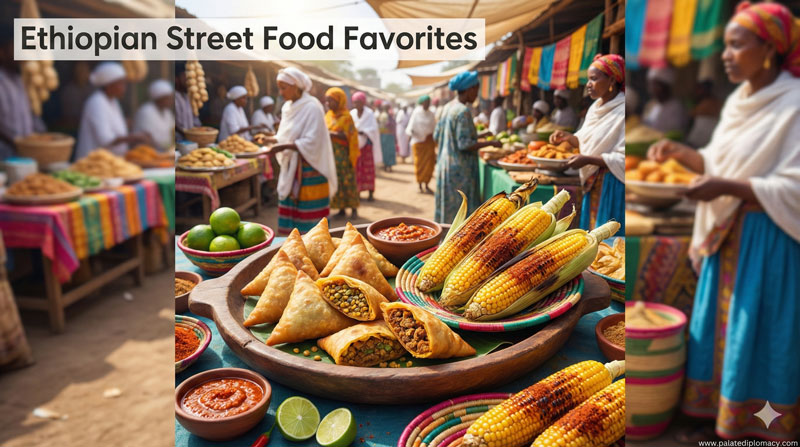
Sambusa is more than a snack in Ethiopia; it is a warm invitation to share, savor, and slow down together. The dish speaks softly of hospitality, memory, and craft. Its triangular shells cradle fillings that glow with aroma, color, and texture, making every bite a small celebration of everyday life.
A Window into Ethiopian Food Culture
In Ethiopian meals, food is a bridge between generations. Sambusa travels easily from bustling markets to family kitchens, appearing at celebrations, street corners, and coffee gatherings. Its presence signals welcome and care, a signal that guests are valued. The pastry embodies balance—crisp outer layers that give way to fragrant, savory centers—mirroring a culture that honors harmony between technique and nourishment. Making sambusa often becomes a shared ritual: family members roll dough, prep fillings, and patiently shape each triangle. The process itself teaches patience, precision, and pride in a well-made bite.
Craft and Flavor: The Making of Sambusa
The journey begins with a delicate dough, rolled thin to yield a light, flaky shell. Fillings range from spiced minced meat to lentils or vegetables, each choice carrying its own personality. Common fillings combine onions, garlic, ginger, and peppers with ground meat or lentils. Aromatics mingle with bright herbs and bold spices—berbere for warmth, mitmita for heat, cumin for a nutty edge—creating a filling that smells inviting even before the first bite. The dough is then folded into triangles, a shape that holds the filling snugly and crisps evenly. Frying to a golden hue delivers a satisfying crunch, while the interior remains tender and richly seasoned. The result is a dish that showcases balance: a crisp shell, a soft interior, and a chorus of spices that lingers pleasantly.
Regional Variations and Seasonal Insights
Across Ethiopia, sambusa adapts to local tastes and available ingredients. In some areas, meat fills are favored for their hearty depth, while other regions celebrate vegetarian versions with lentils, peas, or mashed vegetables. The spice profile can shift with the season: a brighter touch of lemon and fresh herbs in warmer months, deeper warmth of berbere in cooler ones. Shape and size may vary too, from smaller, snack-sized triangles to larger portions for sharing. These variations illustrate a shared love of pastry, filling, and the craft that links cooks and communities, even as regional flavors shine through.
The Table, Touch, and Tradition
Sambusa complements many elements of Ethiopian dining. It pairs beautifully with tea, coffee, or a cooling yogurt-based dip, offering a contrasting partner to the bold flavors on the plate. The dish also invites conversation: Who prepared it? Which filling did you choose? How did the spice blend awaken your senses? In this way, sambusa becomes a social thread—an edible reminder that food carries stories, care, and connection. Its presence at tables signals celebration and welcome, encouraging everyone to slow down, share a moment, and enjoy a thoughtfully prepared bite.
A Timeless Invitation to Engage the Senses
In every bite, sambusa presents a harmony of texture and aroma. The outer crunch gives way to a warmly seasoned interior that lingers on the palate. The dish honors craftsmanship, patience, and generosity—the hallmarks of Ethiopian culinary culture. For those exploring Ethiopian Cuisine, sambusa offers an accessible entry point: a humble pastry that reveals how culture, technique, and heart come together to create something both everyday and beloved.
If you are curious to experience a dish that embodies warmth, craft, and communal joy, sambusa warmly welcomes you. Its culinary significance rests in its ability to unite flavor with memory, turning a simple bite into a shared moment of appreciation.