
Introduction: What Makes Samosa Chaat So Special in Pakistan
What Makes samosa chaat so special in Pakistan goes beyond taste. It is a dish that gathers people around a busy street corner, a bowl that invites curiosity and warm conversation. Samosa chaat blends crisp pastry, hearty legumes, smooth yogurt, and bright chutneys into a single, joyful bite. In Pakistan, this creation is more than a snack; it is a celebration of texture, aroma, and shared experience. It shows how simple ingredients can become a memory, a moment of social delight, and a symbol of everyday hospitality.
The Heart of the Dish: Components and Craft
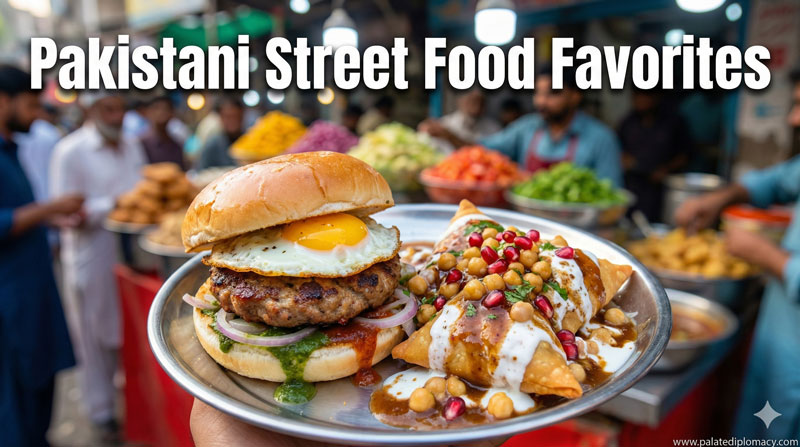
The core of samosa chaat lies in a few well-chosen elements. A freshly fried samosa—usually potato-filled and crisp on the outside—provides the base. The samosa is broken into bite-sized pieces, releasing warm steam and a subtle aroma of spices. Next, a generous layer of chickpeas or small white beans adds heartiness and color. A swirl of creamy yogurt tempers the heat and provides a cool counterpoint.
Then come the chutneys. A tangy tamarind chutney offers sweetness with a fruity bite, while a bright mint-coriander chutney adds a herbal zing. A dusting of chaat masala, cumin, and red chili powder rounds out the seasoning, giving each bite a gentle kick. Finally, a shower of sev or crushed papdi adds a light crunch, and chopped fresh herbs brings brightness to the top.
In Pakistan, these components are flexible. Vendors adapt to local tastes, using regional herbs, different chutneys, or extra lemon juice for brightness. Yet the balance remains the same: crisp warmth, soft cream, tangy and herbal notes, all in one mouthful. This careful layering is the essence of its culinary genius.
The Assembly: How It Is Prepared in Street Kitchens
In bustling markets and neighborhood stalls, the assembly tells a story of quick skill and shared space. The vendor lays out a bed of chickpeas, then places the broken samosa pieces on top. Yogurt is spooned generously, followed by the chutneys. A light dusting of spices crowns the bowl, and the final flourish is a handful of sev or crushed papdi for texture.
The process invites interaction. Customers often watch through the steam and listen to the sizzle of fresh oil as the samosas are fried. The scent of herbs, spices, and lemon rides the air, drawing people closer. In this setting, the dish becomes a moment of connection—an ordinary street corner transformed into a friendly gathering place.
A Flavor Mosaic: The Tastes at Play
Samosa chaat is a symphony of flavors. Sweet from the tamarind, tangy from the yogurt and chutneys, and a measured heat from pepper and chilies work together. The creamy yogurt mellows the bold chutneys, while the samosa provides a grounded crunch. The chickpeas introduce a gentle earthiness that holds everything in balance.
Texturally, the dish shines. The crisp edges of the samosa contrast with the softness of chickpeas and the silkiness of yogurt. The sev adds a delicate crackle, like tiny fireworks on the palate. Aromas of cumin, coriander, and fresh herbs rise with each bite. The overall effect is a comforting, uplifting experience that invites another mouthful.
Social Flavor: Samosa Chaat as a Gathering Food
In Pakistani culture, food often serves as a bridge between friends and families. Samosa chaat embodies this spirit. It is common to share a bowl at a corner stall after work, during a bustling evening, or after a family meal. The act of scooping a portion for someone else from the same bowl reinforces a sense of belonging. The price is accessible, making it a dish that many can enjoy together, whether in a quiet neighborhood or a lively festival queue.
This shared consumption also means the dish carries stories. People swap tips on which chutneys pair best with certain samosas, or How to achieve the perfect balance of yogurt and spice. In this way, samosa chaat becomes a living conversation—an edible thread that weaves friends, neighbors, and communities into one flavorful fabric.
Regional Echoes: Variations Across Pakistani Cities
Across Pakistan, samosa chaat wears regional accents. In some cities, a touch more pomegranate seeds brightens the bowl, adding a rosy sparkle and a gentle tartness. In others, a hint of mint leaves or a few toasted cumin seeds provide a fresh aroma that lifts the mixture. The type of sev—fine or thicker—can change the texture and overall feel of the dish. Each city shapes its own version while honoring the common structure.
These variations showcase the versatility of samosa chaat. They reveal how cooks honor local ingredients and preferences without losing the dish’s identity. The result is a family of cherished forms, each telling a subtle tale about its place in Pakistani Food Culture.
Visual and Textural Beauty: Plating and Experience
A bowl of samosa chaat is a small festival for the eyes as well as the palate. The white yogurt contrasts with the deep brown of fried samosa, the dark hue of tamarind chutney, and the vibrant green of mint chutney. A final drizzle of red chili powder and a sprinkle of fresh coriander create movement on the plate. When sev rains down, it adds a delicate, glittering texture that catches the light as the bowl is passed around.
This visual appeal matters. It invites curiosity and anticipation, and it makes the moment of eating feel special. The presentation reinforces the dish’s role in daily life as something celebratory, even in its simplest form.
Pairings and Rituals: Tea, Chutneys, and Conversation
Samosa chaat often accompanies a cup of hot tea or a chilled lassi. The warmth of tea mirrors the warmth of the bowl, creating a comforting pairing that slows the pace just enough for conversation to flow. The chutneys act as flavor anchors, and their sweetness or brightness can set a mood for the moment.
Rituals around serving also matter. A fresh bowl is a sign of hospitality; sharing from a common plate lays a path for easy conversation. In this way, the dish is not just food but a social ritual that marks time—an afternoon break with friends, a busy market morning, or a cheerful family gathering.
Home and Market: How Families Embrace Samosa Chaat
Families often recreate samosa chaat at home, adapting it to what is on hand. Home cooks may adjust the balance of chutneys or the amount of yogurt to suit personal tastes. In markets, vendors keep a steady rhythm, ready to assemble bowls with speed and care. Both settings emphasize training in flavor balance and respect for ingredients.
This adaptability is part of the dish’s charm. It travels from the home kitchen to the street without losing its soul. The result is a flexible tradition that welcomes new ideas while honoring long-standing practice.
Conclusion: A Living Tradition in Pakistani Cuisine
Samosa chaat stands out in Pakistan not just for flavor but for its capacity to bring people together. Its cultural value rests in how it organizes social space, how it invites shared tastes, and how it adapts to local flavors while preserving a recognizable identity. The dish is a maker of memories—a small, flavorful stage where everyday life becomes something deeply satisfying.
In the heart of Pakistan’s food culture, samosa chaat remains a bright, inviting staple. It celebrates craft, community, and the joy of eating together. Whether enjoyed at a busy stall or prepared at home, it invites us to slow down, savor the moment, and appreciate the beauty of a well-made bite.