
Discover the Rich Flavors of Shiro Wat
Shiro Wat Is a velvety Ethiopian stew that centers on finely ground chickpea flour. It embodies warmth, nourishment, and the joy of sharing a meal. This post explores its cultural value and culinary significance, inviting you to savor how a simple bowl can tell a story of kitchen wisdom and community.
What is Shiro Wat? A Quick Introduction
Shiro Wat is a staple in Ethiopian cuisine. It layers onion sweetness with roasted chickpea flour to create a creamy, hearty sauce. The dish often features a kiss of berbere spice, garlic, and sometimes ginger. The result is a smooth, deeply flavored stew that pairs perfectly with injera, the sour flatbread that acts as both plate and utensil. In homes and at gatherings, Shiro Wat signals care, comfort, and a shared sense of abundance.
Core Ingredients and Technique
Traditionally, Shiro Wat starts with onions softened in a little oil. Next comes garlic, and sometimes ginger, for brightness. Then roasted chickpea flour is whisked in to create a thick, silky texture. A spice blend such as berbere adds heat, depth, and a warm, nutty aroma. Water or broth thin the mixture just enough to let the flavors breathe. The dish finishes with a gentle simmer, allowing the flavors to mingle and the texture to become luxuriously smooth. Optional additions like ground cumin or a touch of niter kibbeh (spiced clarified butter) can add complexity, while many home cooks keep the recipe entirely plant-based and comforting. The result is a dish that invites slow savoring and attentive tasting.
The Texture, Aroma, and Taste
Shiro Wat offers a creamy, almost custard-like mouthfeel that clings softly to the tongue. The aroma is savory and inviting, with the toasty scent of chickpea flour and the lingering glow of spices. Spiciness is usually moderate, balanced by onion sweetness and the nutty note of lentil or chickpea flour. The richness comes from toasting ingredients and careful simmering, which releases depth without heaviness. Each bite feels both rustic and refined, a testament to thoughtful technique and careful seasoning.
Cultural Significance and Everyday Joy
In Ethiopian culture, Shiro Wat is more than a meal; it is a testament to hospitality and daily nourishment. It is commonly enjoyed during vegetarian seasons when meat is not part of the table, yet the dish remains hearty and satisfying. Families often prepare Shiro Wat for everyday dinners and for special occasions alike, turning mealtime into a moment of connection. The dish reflects a culinary philosophy that joy can be found in simple, well-balanced ingredients elevated through patience and care.
Serving Traditions: Injera and Pairings
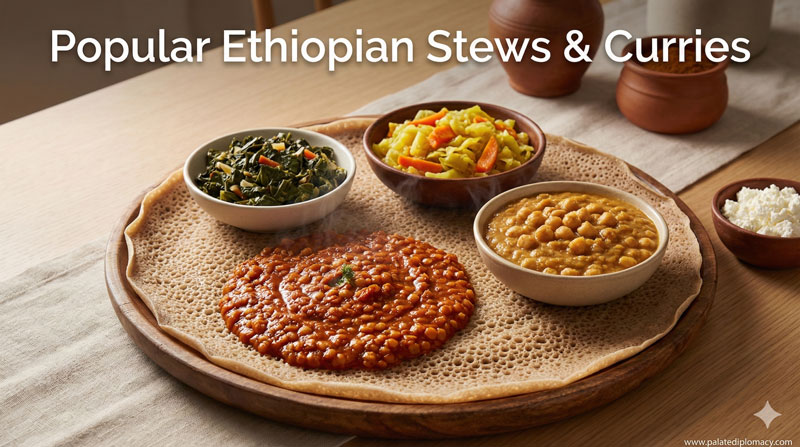
Shiro Wat shines when served with injera, the spongy, tangy flatbread that serves as both plate and utensil. Tear a piece of injera, scoop the Shiro Wat, and enjoy the mingling of textures. The combination highlights a harmony between the soft, airy bread and the creamy stew. In many homes, a small salad of fresh vegetables accompanies the plate, adding brightness and contrast. The pairing celebrates balance: grain, legume, spice, and bread come together as one memorable bite.
Regional Varieties and Family Traditions
Across regions and households, Shiro Wat finds its own voice. Some cooks make the stew thicker for a heartier bite, while others keep it lighter to accentuate the bread’s texture. Variations may include different spice intensities or the addition of garlic paste for extra warmth. Regardless of small differences, the dish preserves a shared spirit: respect for ingredients, patience in preparation, and a sense of belonging that comes from gathering around the table.
Bringing Shiro Wat to Your Table
If you wish to experience Shiro Wat at Home, start with a simple base of onions and oil, then add the roasted chickpea flour and spices. Simmer slowly to achieve that signature creamy texture. Pair with warm injera or another flatbread, and you have a comforting, culturally rich meal. The dish invites plenty of room for personal touches while keeping its essential character intact. In this way, Shiro Wat becomes a bridge between cooking craft and the everyday joys of eating together.
This dish offers a vibrant glimpse into Ethiopian culinary culture. Its creamy texture, inviting aroma, and thoughtful balance of flavors celebrate the beauty of home cooking. By savoring Shiro Wat, you partake in a tradition that honors generosity, patience, and the simple pleasure of sharing a nourishing meal.