
Discovering Shiro Wat: An Introduction
Shiro Wat Is more than a dish; it is a quiet poem about patience, simplicity, and shared moments. in Ethiopian kitchens, this creamy chickpea stew occupies a special place. It arrives at the table warm and inviting, carried on a bed of soft injera. The aroma invites conversation and the first bite offers comfort. The dish embodies a philosophy of nourishment that favors balance, clarity, and seasonality. Its cultural value rests in how it brings people together around a single pot, turning a meal into an experience of togetherness and gratitude. Shiro Wat is a touchstone of everyday life, a culinary welcome mat that signals hospitality and care.
What Shiro Wat Is: Ingredients and Technique
At its core, Shiro Wat is a thick, velvety preparation built from finely milled chickpea flour, often called shiro powder. This foundation is simmered with onions, garlic, and ginger, then brightened with spices such as berbere. Some cooks add tomato for a touch of sweetness, while others keep the rich base purely legume and spice. Niter kibbeh, a clarified spiced butter, adds a fragrant depth, though many home cooks prefer a neutral oil for a vegan version. The technique is patient and precise: sauté aromatics until soft, whisk the chickpea flour with water to create a smooth slurry, and then gently stir it into the simmering mixture. The result is a spoonable, creamy texture that clings to injera, inviting steady, mindful eating. The simplicity of the components is purposeful, letting the flavors grow with careful simmering and timely stirring.
The Cultural Value of Shared Meals
Food in Ethiopian culture often speaks a language of hospitality. Shiro Wat anchors that language. It is commonly prepared for family meals, gatherings, and seasonal feasts, offering a nourishing focal point that everyone can enjoy. The dish is inclusive, featuring modest ingredients that transform into something comforting and celebratory. Serving Shiro Wat is a signal: guests are welcome, and conversation will follow. In many households, the act of sharing a pot of shiro on injera becomes a ritual, a moment to honor the day, the diners, and the cooking that made the meal possible. Through this ritual, Shiro Wat reinforces values of care, generosity, and community. Its cultural value lies not only in taste but in the social weave it helps create around the table.
Flavor, Texture, and Culinary Significance
Shiro Wat carries a distinct culinary signature. The chickpea flour provides a creamy, silky body that coats the palate without heaviness. The onions caramelize and temper the boldness of berbere, yielding a balanced heat with earthy undertones. Ginger and garlic brighten the dish, while niter kibbeh adds a gentle, fragrant richness in its butter-based form. The texture is a central part of the experience: smooth, almost satin-like, with just enough body to cradle the bread and hold the morsels of injera. This combination—creamy texture, layered spice, and fragrant aroma—defines the dish’s culinary significance. It demonstrates how a few well-chosen ingredients, prepared with patience, can express depth, warmth, and cultural memory in a single bowl.
Regional Flair and Craft Within a Single Tradition
Within Ethiopia, Shiro Wat appears in many regional variations, each reflecting local tastes while preserving the core idea of a chickpea-based, spiced stew. Some families temper the heat of berbere to suit younger palates, while others push the spice to create a more assertive profile. The consistency can range from thick and almost spoonable to a lighter, sauce-like coherence depending on the thickness of the chickpea slurry and the ratio of liquid. Even with these differences, the dish holds a common thread: it is nutrient-dense, comforting, and deeply tied to daily life. The regional craft around Shiro Wat shows how a single dish can be both widely shared and distinctly personal, preserving tradition while inviting small, everyday variations.
Serving Traditions and the Art of Receiving
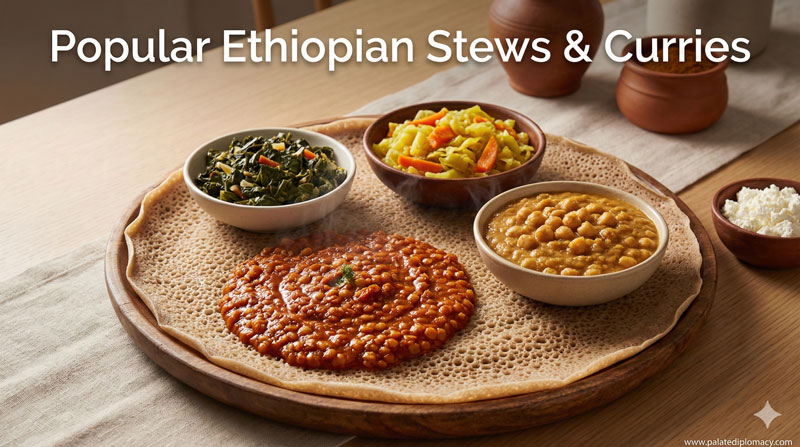
Shiro Wat shines when paired with injera, a sourdough flatbread that serves both as utensil and plate. The practice of tearing a piece of injera, scooping Shiro Wat, and lifting it to the mouth creates a tactile, engaging dining ritual. This combination emphasizes balance—soft bread with creamy stew, cool tang from fermentation with warm spice. Serving Shiro Wat also invites conversation: guests often arrive with stories, memories, and laughter, all of which enrich the meal. The pairing teaches generosity and patience in equal measure: patience as the pot simmers to the perfect thickness, generosity as portions are shared with everyone at the table. The result is a ceremony of nourishment that honors both flavor and fellowship.
Modern Taste, Timeless Values
Today, Shiro Wat appears in many kitchens, from family homes to cafés and restaurants that celebrate Ethiopian flavors. in Modern kitchens, it adapts gracefully to dietary preferences without losing its soul. The dish remains naturally plant-based, gluten-conscious when prepared with care, and deeply satisfying at any time of day. Yet its core values stay intact: it invites quiet contemplation of flavor, invites all to participate in a shared meal, and honors the patience and skill of the cook. The modern portrait of Shiro Wat respects tradition while welcoming creative interpretations, ensuring the dish remains a living part of the cuisine rather than a relic of the past.
What Makes Shiro Wat a Cultural Favorite
The enduring appeal of Shiro Wat lies in its simplicity paired with depth. It shows how humble ingredients can be elevated through technique, timing, and heart. It signals welcome and inclusion, transforming a ordinary meal into a meaningful gathering. It also serves as a canvas for memory—family recipes passed down, small adjustments learned through experience, and stories exchanged across the table. In every bite, one tastes not only chickpeas and spices but a slice of Ethiopian culinary identity, crafted with care, shared with friends and family, and carried forward through generations.
A Gentle Invitation to Explore
If you are new to Shiro Wat, approach it with curiosity and an appetite for connection. Observe how the aroma changes as onions caramelize, how the texture becomes silkier as the chickpea flour thickens the sauce, and how a simple bowl can become a bridge between people. Allow injera to cradle the stew and let the flavors unfold at a leisurely pace. The dish invites mindfulness: a moment to notice color, scent, and texture; a moment to savor the hospitality encoded in a single, well-made pot. In this spirit, Shiro Wat serves as a welcoming ambassador of Ethiopian cuisine—quiet, generous, and beautifully sustaining.
Conclusion: The Quiet Magnificence of Shiro Wat
Shiro Wat stands as a beloved emblem of Ethiopian food culture. Its cultural value is woven into daily life, celebrations, and shared meals. Its culinary significance rests on a careful balance of simple ingredients transformed through technique and patience into something deeply comforting. It invites hospitality, encourages community, and honors the richness that comes from traditional, family-centered cooking. By embracing Shiro Wat, readers discover more than a dish; they encounter a warm, enduring expression of food as a social ritual—one that nourishes body and bonds people together in a respectful, inviting way.