
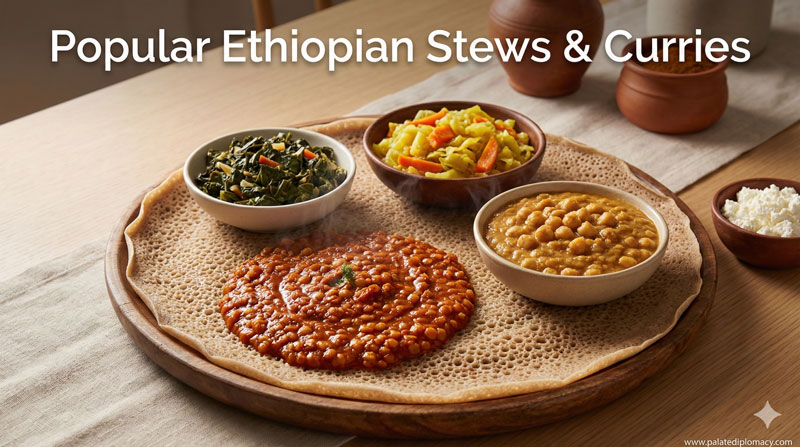
The Dish in Focus: Shiro Wat
This post, The Story Behind Shiro Wat, a Favorite Ethiopian Food, invites you into its cultural heart. Shiro Wat Is a smooth, savory paste made from chickpea flour. It cooks with onions, garlic, ginger, and a gentle kiss of berbere. The sauce becomes velvety and clingy, curling around injera like a warm melody. It shines in daily meals and in celebrations, inviting everyone to share in its glow.
Shared Meals and Injera: The Natural Pairing
Injera is more than bread here; it is a soft, airy plate and a tool for dipping. Shiro sits atop injera, soaking up its tangy notes and returning them in every bite. Diners tear a piece of injera, scoop the Shiro, and pass it with a smile. This pairing makes a meal feel intimate, inviting conversation and connection around the table.
The Craft: Ingredients and Technique
Shiro starts with onions sautéed until they glow. Garlic and ginger follow, bringing bright aroma. Berbere lends warmth and depth, while chickpea flour thickens into a spoonable paste. Simmer gently, whisking as needed, until the texture is glossy and smooth. Some cooks finish with a small pat of butter or ghee for richness; others keep it strictly plant-based. Either way, patience deepens the flavor.
The Flavor Journey: Texture and Aroma
Every bite offers a tender, creamy bite of chickpea with a whisper of onion sweetness. The spice blends add a gentle, lingering heat that perfume the air. The result is a sauce that clings to injera, leaving a comforting, satisfying finish. The aroma invites the senses before the first taste, and the taste confirms the welcome you felt at the door.
Everyday Life and Hospitality
Shiro is a staple in many Ethiopian homes and markets. It nourishes families with reliable warmth and heart. The dish travels from pot to plate with care, often shared among neighbors and friends during a busy day or a quiet evening. This accessibility makes Shiro a symbol of simple generosity in daily life.
Variations Across Homes
Regional and family differences show in the heat level and ingredients. Some cooks lift the dish with extra berbere for a bolder bite; others prefer a milder touch. Butter or niter kibbeh adds a creamy, rich note, while a vegan version remains clean and bright. Each version honors tradition while inviting personal touch.
Serving Traditions and Etiquette
Serve Shiro hot over or beside injera. Tear off a piece of bread, scoop gently, and pass it with a smile. The rhythm of shared plates and steady conversation makes the meal feel ceremonial, even in a simple kitchen. A warm cup of coffee may follow, linking the flavors of the day to a cherished ritual.
The Story Behind Shiro Wat: A Favorite Ethiopian Food
Shiro Wat embodies hospitality, nourishment, and community. It celebrates the richness of Ethiopian ingredients and the patience of slow cooking. This dish stands as a bridge between everyday meals and meaningful gatherings. In every pot, Shiro tells a story of welcome, care, and the beauty of Ethiopian food culture.