
The Story Behind Shiro Wat: A Favorite Ethiopian Dish
Shiro Wat is a beloved cornerstone of Ethiopian cooking. It arrives at the table with warmth, aroma, and a quiet sense of welcome. This dish speaks softly of daily life, family gatherings, and shared meals. Its beauty lies in simplicity: a creamy, spiced sauce made from finely milled chickpea flour, paired with injera, the sour flatbread that carries flavors and stories from one bite to the next. The Story of Shiro Wat is a story of care, skill, and the steady craft of home cooks who transform humble ingredients into something deeply comforting and celebratory.
What Is Shiro Wat? A Quick Introduction
Shiro Wat is a thick, creamy stew built around chickpea flour. The powder is stirred into a simmering base of onions, garlic, and ginger, along with a blend of warm spices such as berbere. The result is a smooth, silky sauce with a gentle heat and a nutty, toasty aroma. In Ethiopian meals, Shiro Wat often appears as a centerpiece on a platter of injera, inviting everyone to scoop and share. Its texture coats the bread in a way that creates a satisfying balance of softness and bite. The dish offers a striking example of how simple ingredients carry a kitchen’s memory and a culture’s rhythm.
The Simple, Deep Ingredients
At its core, Shiro Wat relies on two main ideas: a soft, nutty chickpea base and a layered spice profile. Chickpea flour, finely ground, dissolves into water or stock to form the creamy backbone. The cooking begins with onions sautéed until they deepen in sweetness. Garlic and ginger join, followed by berbere or a milder spice mix, which gives Shiro its warmth. Oil or clarified butter adds depth and cohesion. A pinch of salt and a gentle simmer pull the flavors together, while the flour thickens to a luxurious, spoonable consistency. This balance—humble ingredients transformed through careful technique—defines the dish’s culinary value.
The Preparation Dance: From Spice to Silk
From start to finish, Shiro Wat invites patience and steady hands. First, onions soften in oil, releasing their natural sweetness. Then garlic, ginger, and spices wake the pan with aroma. Next, chickpea flour is whisked in a steady stream or stirred with a wooden spoon, gradually thinning with liquid until a thick, smooth sauce forms. The heat remains moderate, allowing the flavors to bloom without scorching. Finally, the mixture thickens into a rich, velvet-like texture. The cook adjusts seasoning, sometimes finishing with a touch of niter kibbeh for a subtle butteriness, or keeping it simple with olive oil for a lighter finish. The result is a dish that feels luxurious without being heavy, created with careful, mindful technique.
Cultural Significance: Hospitality on a Plate
Shiro Wat embodies hospitality in Ethiopian dining culture. It is the dish you prepare when guests arrive, offering warmth in every spoonful. Its presence on the table signals generosity and care, inviting conversations to flow as easily as the steam rising from the pot. Shiro Wat also reflects the community’s rhythm of meals: a protein-rich option that stands strong in its own right, yet remains perfectly suited to be shared with injera. This sharing ritual—lifting a piece of bread to scoop the creamy sauce—creates a rhythm of eating that centers togetherness and warmth. In households, Shiro Wat can be a daily comfort or a festive centerpiece, always carrying the same message: you are welcome here.
Shiro in the Home: A Family Favorite
Families treasure Shiro Wat for its reliability and heart. Recipes travel softly from kitchen to kitchen, adjusted by taste and habit rather than by strict rules. Some households favor a lighter touch of berbere, while others prefer a bolder glow of heat. Teachers of cooking pass down tips about whisking to avoid lumps, or about adding a splash of tomato for a brighter hue. In every home, a “secret touch” may appear—an extra pinch of spice, a spoonful of sesame, or a lingering aroma of toasted flour—that makes the dish feel intimately personal. This transfer from one generation to the next is part of Shiro Wat’s enduring value: it binds generations through flavor, technique, and shared meals.
Pairings and Serving: Injera and Beyond
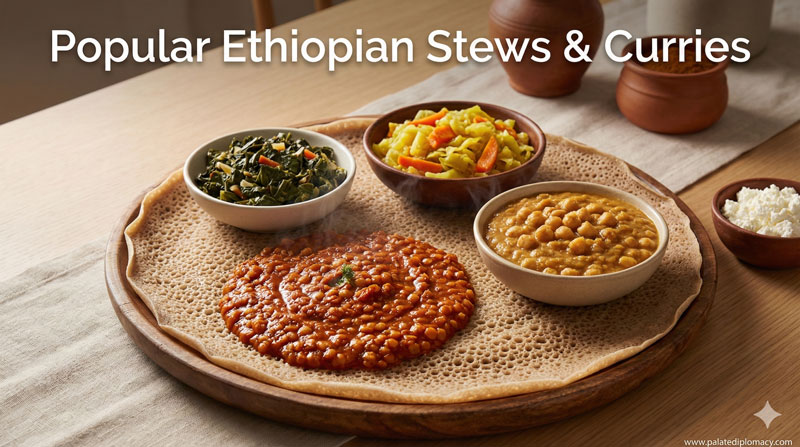
The classic pairing is injera, the teff flatbread that acts as both plate and utensil. Shiro Wat sits on a corner of the injera, inviting you to scoop and wrap. The texture of the bread, slightly spongy and tangy, heightens the dish’s creaminess and balances its spice. Many households also offer light salads, ayib (fresh cheese), or sautéed greens to accompany Shiro Wat. A cool cucumber-tenné salad can refresh the palate between bites, while a small dollop of mild yogurt adds a gentle creaminess. Together, these elements create a meal that feels complete, comforting, and deeply rooted in everyday life.
Regional Variations and Personal Touches
Across regions and households, Shiro Wat wears multiple faces. Some cooks thicken the sauce with extra chickpea flour for a heartier bite; others prefer a thinner, silkier texture. Spices vary in intensity and balance, with berbere ranging from warm to bold, and additional herbs sometimes added for fragrance. A few cooks whisk in a trace of fenugreek or cardamom to lend an aromatic lift. The choice of oil—neutral oil, sesame oil, or a small amount of ghee—shapes the finish and aroma. These variations celebrate local taste and family memory, while preserving the dish’s essential identity: a nourishing, shared meal that glows with spice and soul.
A Dish for All Seasons: Fasting Days and Everyday Joy
Shiro Wat shines in both daily life and special moments. It is often prepared during fasting periods when meat is avoided, offering a protein-rich alternative that is warm and satisfying. Yet its appeal is not limited to sacred seasons. It appears on tables for everyday meals, family gatherings, or casual visits from friends. The dish’s adaptability—relating to available ingredients and personal preference—makes it a reliable go-to in kitchens around the country. In every instance, Shiro Wat reinforces the sense that food is a bridge between recipes and relationships, between flavor and memory.
Bringing Shiro Wat to Your Table: Tips for Home Cooking
If you want to recreate this dish, start with finely milled chickpea flour and a well-seasoned base of onions, garlic, and ginger. Whisk the flour in slowly to avoid lumps, and maintain a gentle simmer so the sauce becomes luxuriously creamy. Use berbere to taste, then adjust with salt and a touch of oil or butter for gloss. For a milder finish, reduce the amount of spice or swap in a milder chili blend. If you don’t have niter kibbeh, a splash of olive oil with a pinch of fenugreek or coriander can mimic its warmth. Serve with warm injera, and let the table do the rest—the shared smiles, the clink of glasses, the easy conversation that follows a good meal.
Conclusion: The Story Behind Shiro Wat
Shiro Wat is more than a dish; it is a reflection of Ethiopian culinary culture. It speaks of care, skill, and the joy of sharing. Its creamy texture, bold yet balanced spice, and perfect companionship with injera make it a favorite across households and occasions. Each bite carries a sense of place, reminding us that food can be a gentle, enduring storyteller. In every kitchen, Shiro Wat invites you to slow down, savor the moment, and celebrate the beauty of simple ingredients transformed through tradition and affection.