
The Story Behind Shiro Wat, a Favorite Ethiopian Food
Shiro Wat Is a beloved Ethiopian stew that centers on ground chickpeas or broad beans, blended with onions, garlic, and a warm blend of spices. This dish embodies gentle warmth, comforting aroma, and a sense of togetherness that is felt at many family tables. It is a key part of the wat family of stews, where spices sing and textures invite careful savoring. In simple terms, Shiro Wat is a creamy, modestly spicy sauce that invites you to dip and share.
What Shiro Wat Is
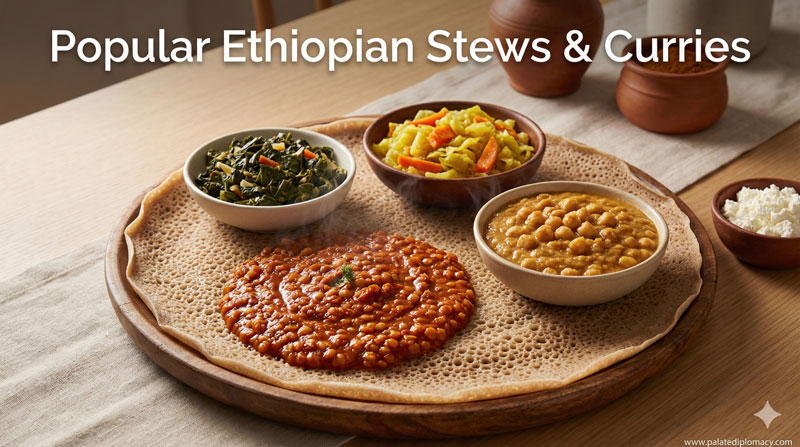
Shiro Wat is made from finely ground legume flour—most often chickpeas—cooked with onion, garlic, and ginger, then seasoned with berbere and sometimes a touch of tomato. The result is a smooth, velvety paste that clings to injera, the spongy Ethiopian flatbread. The color is a warm amber to rust, and the scent is inviting: toasty, nutty, and mildly spiced. This dish can stand on its own or accompany other stews to create a balanced plate.
The Craft: Ingredients and Technique
First, heat oil or niter kebbeh and soften chopped onion until it glows with sweetness. Next, add minced garlic and ginger, stirring until the aroma rises. Then fold in berbere or a milder spice blend, letting the spices bloom. Slowly whisk in water or vegetable stock, and stir in the shiro powder to form a thick, creamy sauce. Simmer gently, stirring often, until the mixture becomes lush and coats a spoon. Finally, season with salt to taste. The result is a sauce that feels both smooth and comforting, ready to mingle with injera.
Cultural Value: Sharing and Community
Shiro Wat carries meaning beyond taste. It is a dish of sharing, prepared in generous portions so many can enjoy a single pot. Families gather around the table, tearing injera and using it to scoop the creamy shiro. The act of sharing reinforces closeness and care. Shiro also appears during special fasting days, offering a nourishing, meat-free option that remains deeply flavorful. Through these moments, Shiro Wat helps connect people to everyday life and to one another.
Pairings and Pleasures: Injera and Beyond
The classic pairing is injera, which acts as both plate and utensil. The bread’s tangy bite balances the warmth of the shiro, and its porous surface soaks up the sauce beautifully. A simple salad of tomato, cucumber, and onion can brighten the plate, while a splash of fresh lime adds brightness. In many homes, Shiro Wat shines with a cup of Ethiopian coffee after the meal, continuing the ritual of warmth and connection.
Variations and Accessibility
Households tailor Shiro Wat to their pantry and preferences. Some use chickpea flour, others opt for a mix of chickpeas and ground lentils. Some cooks enrich the sauce with a small amount of butter or ghee for a richer texture, while others keep it lean and pure. The heat level can be adjusted by choosing a milder berbere or by using less spice. Whatever the variation, the core of Shiro Wat remains its creamy, inviting character and its ability to anchor a meal.
Shiro in Festive Moments
While Shiro Wat is a staple in everyday meals, it also shines during gatherings and celebrations. It offers hospitality in a gentle form, welcoming guests to share in a satisfying, nourishing dish. The aroma that fills the kitchen signals care and welcome, inviting conversation and connection. In such moments, Shiro Wat becomes more than food; it becomes a memory in the making.
A Window into Ethiopian Food Culture
Shiro Wat offers a clear window into Ethiopian culinary culture: a respect for flavor, a love of texture, and an emphasis on sharing. It demonstrates how simple ingredients, skillful technique, and thoughtful spice balance can create warmth on the table. This dish invites both cooks and tasters to pause, savor, and appreciate the artistry of daily meals.
If you are curious to experience this story yourself, try a classic Shiro Wat with injera at Home. You’ll discover not only a satisfying taste but also the quiet beauty of a dish that brings people together around a common, comforting plate.