
Introduction: A dish that speaks softly of the sea
Smoked salmon has a quiet strength in Nordic cuisine. It arrives at the table with a pale pink glow, a gentle aroma, and a texture that invites a careful bite. The Story of How It grew to be so beloved in Nordic kitchens is a story of technique, timing, and how a community chooses to honor its coast. This post explores the cultural value and culinary significance of smoked salmon, and shows why it remains a cherished anchor in everyday meals and festive plates alike.
The craft behind the smoke: technique as a cultural language
The heart of smoked salmon lies in a simple, patient process. Salt and sometimes sugar draw out moisture, the fish rests to absorb flavor, and smoke mingles with the surface. In Nordic practice, alder wood, beech, or other light woods lend a soft, clean smokiness that never overwhelms the fish. Cold smoking, a tradition here, enhances aroma while preserving a silky texture. The result is a fish that speaks of the sea and the smokehouse in one tender note.
This craft is not merely technique; it is a way of respecting ingredients. The method preserves vitality and makes seasonal salmon accessible year-round. Chefs and home cooks alike celebrate the balance of salt, time, and fire. The goal is clarity: to let the salmon shine while offering a touch of warmth through smoke. That balance has helped smoked salmon weave itself into many Nordic menus, from breakfast tables to late-night suppers.
A Nordic table: placing smoked salmon in daily life
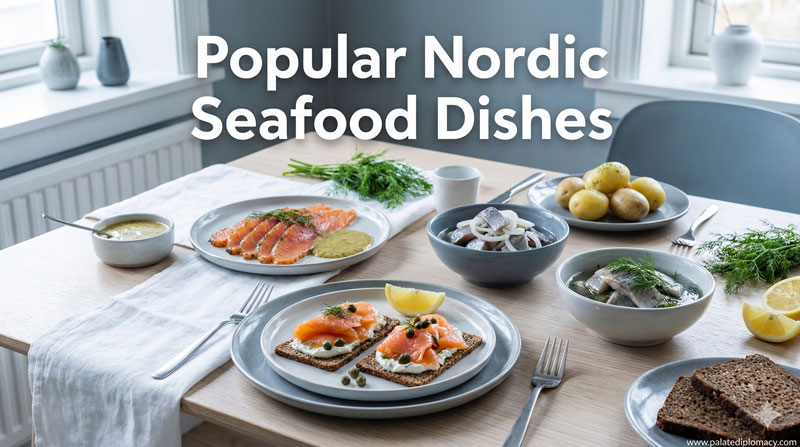
In Nordic homes, smoked salmon often anchors open-faced sandwiches, known for their bright, fresh toppings. Cream cheese or a light yogurt-dill spread provides a cool counterpoint to the fish’s richness. Slices of cucumber, a few shallot rings, dill fronds, and a lemon wedge complete the plate. The presentation remains clean and deliberate, inviting the eater to slow down and savor.
The dish also travels easily into more formal meals. A thin slice atop crisp rye bread pairs with a citrusy sauce or a simple mustard-dill dressing. The focus is on balance: the salmon is the star, while the accompaniments add brightness and texture. This approach reflects a broader Nordic culinary value—celebrating purity, seasonality, and the joy of well-chosen ingredients presented with restraint.
Regional notes: a closer look at Nordic flavors
-
Norway: Renowned for its long coastline and careful fishing traditions, Norway emphasizes freshness. Smoked salmon here often joins a plate that celebrates the sea, with light sauces and fresh herbs. Farmed and wild varieties both find a place at the table, each carrying its own character.
-
Sweden: Dill, lemon, and a touch of mustard-dill sauce frequently accompany smoked salmon. The Swedish palate enjoys bright contrasts that highlight the fish’s delicate smoke. The salmon often features in small, elegant plates or shared platters during gatherings.
-
Denmark: Open-faced sandwiches provide a natural stage for smoked salmon. The Danish approach favors clean flavors with crisp textures. A bit of cucumber, crème fraîche, or a gentle onion note can heighten the salmon’s savor without masking it.
-
Finland: With a fondness for rye and fresh herbs, Finland offers smoked salmon on hearty breads or as part of a crisp, light platter. The chill of the Nordic air meets the warm smoke in a comforting union that feels both practical and festive.
-
Iceland: The island’s cool climate supports bright, pure flavors. Smoked salmon may appear alongside simple greens, tangy sauces, and citrus—the kind of plate that invites quiet appreciation.
These regional impressions show how a single technique can adapt to local likes, seasons, and textures, while preserving a core sense of ocean-inspired simplicity.
Modern expressions: from home kitchens to celebrated menus
Today, smoked salmon travels easily between home kitchens and restaurant tasting menus. At home, it becomes a quick yet refined meal when layered over a bread spread, folded into a light omelet, or added to a vegetable-forward salad. In restaurants, chefs experiment with textures and pairings while keeping the essence of smoke and fish intact. The dish also lends itself to seasonal menus, where citrus, herbs, and green vegetables highlight the fish’s brightness.
This modern presence reflects a clear cultural value: smoked salmon is accessible, versatile, and capable of elevating everyday meals without complicating the core flavors. It invites sharing, conversation, and a moment of appreciation for simple, well-made food.
Pairings and presentation: elevating the experience
- Bread and spreads: Rye, sourdough, or crispbread with a soft cheese or a dill-infused spread create a comforting base.
- Fresh accents: Thin cucumber slices, lemon zest, and fresh dill brighten the plate and offer a clean counterpoint to the salmon’s richness.
- Sauces and finishes: A light mustard-dill sauce or a gentle yogurt-based dip can add a tangy lift without overpowering the fish.
- accompaniments: Capers, thin red onion, or a touch of cracked pepper can introduce subtle contrasts in texture and flavor.
Simple plating matters. A neat slice of salmon, a delicate swirl of sauce, and a few herb sprigs can turn a modest dish into a quiet celebration of Nordic flavors.
A cultural celebration: why smoked salmon endures
Smoked salmon endures because it embodies careful craft, seasonal listening, and a respect for the sea. It travels well from casual breakfasts to refined gatherings, always staying true to its gentle, luminous character. It invites readers and diners to slow down, notice texture and aroma, and appreciate how a few well-chosen ingredients can tell a larger story about place and tradition.
In the Nordic kitchen, the dish stands as a bridge between everyday nourishment and shared experience. It is a reminder that good food often rests in restraint: a small amount of smoke, a few bright accompaniments, and a sense of place that comes through in every bite. This is how smoked salmon became a beloved staple, a quiet anchor in a region’s culinary culture, and a constant invitation to savor the beauty of well-made food.