
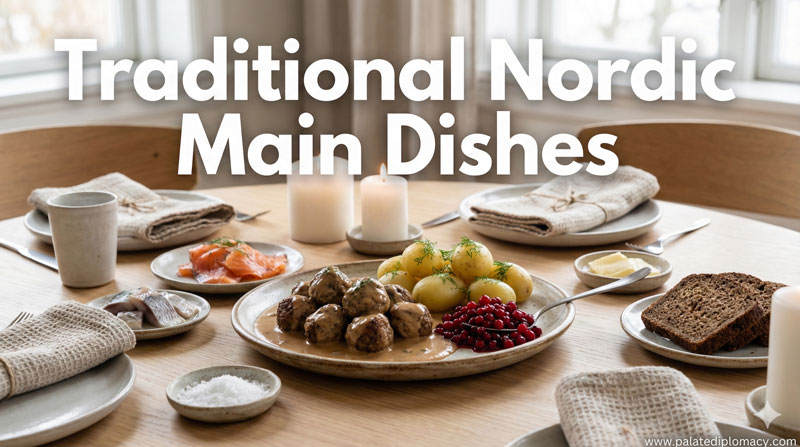
What Makes Smørrebrød Special in Nordic Cooking
Smørrebrød is a beloved expression of Nordic cooking. It is more than a meal; it is a moment to slow down, to savor, and to share. On a single slice of sturdy rye, a small world of textures and flavors unfolds. The dish celebrates seasonality, craftsmanship, and a quiet sense of hospitality that sits at the Heart of Nordic dining. This post explores its cultural value and culinary significance, inviting you to see why Smørrebrød has stood the test of time.
The Grounding of Craft: Rye, Butter, and Balance
The base of Smørrebrød is simple and sturdy. A slice of dark, dense rye bread provides structure and depth. Butter, often lightly salted, cloaks the bread with richness and a silky glow. This foundation is not a mere vehicle for toppings; it is an integral part of the experience. The bread’s grain and the butter’s sheen set the stage for the toppings to shine. Next comes balance: a careful tune between salty, sweet, sour, and fresh greens. In Nordic cooking, balance is achieved through restraint and precision. The result is a harmony that feels both grounded and uplifting. The act of assembling—layer by layer, with care—becomes a quiet craft.
A Palette of Toppings: From Sea to Meadow
Smørrebrød offers a gallery of flavors. Common choices include cured or cured-and-sliced fish, dollops of creamy spreads, pickled vegetables, herbs, and crunchy accents. Herring, onion, and chives create a classic trio. Gravlax glows with mustard-dill sauce and a thin veil of lemon. Roast beef, adorned with crispy onions and horseradish cream, provides warmth and heft. Liver pâté might meet sweet-sour pickled cucumber or beets. A prawn or shrimp topping, with a bright herb and lemon finish, brings brightness. Each topping brings a story of seasonality and local abundance. The key is harmony, not excess. A well-made Smørrebrød respects the bread as the stage and each topping as a careful note in a larger melody.
Seasonality at the Table: Local Harvest on Rye
Seasonal ingredients drive the heart of Smørrebrød. In spring, tender herbs, early greens, and smoked fish appear. In summer, cucumbers, radishes, dill, and bright lemon lift the dish. Autumn brings root vegetables, mushrooms, and hearty sauces. Winter elevates preserved things—pickled onions, fish, and mustards—that keep the color and brightness alive. This seasonal rhythm is a hallmark of Nordic cooking. It reinforces a connection to the land and sea, and it invites cooks to respond to what is fresh and available. The result is a living menu on a single plate, shifting with the calendar and the local pantry.
Visual Craft: Plating as Part of the Flavor
Presentation matters in Smørrebrød. A well-plated open-faced sandwich reads as a small work of art. Color contrasts—bright greens against the deep bronze of rye, or pink fish against pale pâté—enhance appetite and mood. Texture plays a leading role: crisp cabbage, velvet spreads, and tender fish or meat create a satisfying bite. The plating process is thoughtful, yet it remains accessible. In Nordic dining, beauty on the plate accompanies beauty in taste. This attention to presentation elevates everyday meals into memorable rituals.
Social Threads: Shared Meals and Rituals
Smørrebrød has a social dimension that extends beyond taste. It is often part of a midday ritual in homes and workplaces. The act of assembling, sharing, and savoring creates a sense of belonging. In family kitchens and dining rooms, it is common to learn from elders which combinations work best and How to balance flavors with care. In gatherings and celebrations, a table of Smørrebrød forms a centerpiece that invites conversation and connection. This social function is as important as the flavors themselves. It nurtures hospitality, memory, and a shared love of well-made food.
Smørrebrød in the Nordic Kitchen Today
Today’s Nordic kitchens honor Smørrebrød by keeping its core values intact while inviting contemporary flavors. Chefs often reinterpret classic toppings with bold textures or seasonal twists, yet they preserve the dish’s spirit: simple ingredients treated with respect, assembled with intention, and enjoyed together. The open-faced sandwich remains a bridge between tradition and modern dining. It appears in tasting menus as a nod to heritage, and it features at casual lunches as a reminder to savor the moment. The enduring appeal lies in its adaptability and its invitation to creativity without losing its roots.
Home Kitchen Tips: Crafting Your Own Smørrebrød
- Start with strong bread: Choose a dense rye with a rich crumb. Lightly toast if you prefer extra structure.
- Butter thoughtfully: A thin layer of good butter adds depth and helps toppings sit neatly.
- Build in order: Start with a spread or protein, then add lighter toppings, finishing with herbs or a bright finish like lemon zest.
- Seek balance: Consider salt, fat, acidity, and texture. A little crunch goes a long way.
- Respect color and proportion: Aim for a visually balanced plate with contrasting hues and heights.
- Keep it seasonal: Let local fish, vegetables, and herbs guide your choices.
- Serve with care: Present slices neatly on a wooden board or a simple plate to honor the dish’s artistry.
A Gentle, Inviting Conclusion
Smørrebrød embodies a philosophy of Nordic cooking that values simplicity, seasonality, and craft. It is a dish that invites people to pause, notice, and savor. Its cultural value lies in how it gathers people around a shared plate, how it showcases regional ingredients, and how it honors the quiet elegance of well-made food. The culinary significance rests in its ability to express restraint as a form of sophistication and to celebrate hospitality as a daily ritual. In every bite, Smørrebrød tells a story of Nordic life: the land, the sea, the seasons, and the human hand that brings them together with care.
If you wish to explore Nordic cooking further, start with Smørrebrød as your guide. It offers a welcoming doorway to taste, tradition, and community—one slice at a time.