
The Story Behind Mutton Korma, a Pakistani Food Favorite
Mutton korma is a beloved dish at the heart of Pakistani kitchens. It pairs tender meat with a creamy, fragrant sauce that glows with spice and nutty richness. The dish invites slow, careful cooking and patient attention. In homes and bustling kitchens alike, it gathers people around the table and signals a moment of warmth. The aroma alone can spark conversations and bring smiles. This post explores the cultural value and culinary significance of the dish, beyond taste alone, and highlights How It brightens shared meals.
Core ingredients and their meaning
Mutton provides the core texture—meat that softens as it braises. Yogurt and cream lend a velvety body that coats every piece. Ground almonds or cashews enrich the gravy with a subtle sweetness and depth. Onions fried to a honey-gold color build a sweet foundation. A blend of spices—cardamom, cinnamon, cloves, coriander, cumin, and garam masala—delivers warmth without heat. A touch of saffron or a thread of bright color often crowns the sauce. Together, these ingredients mirror a culture that values balance, refinement, and harmony in flavor.
The cooking technique that shapes its texture
The magic of mutton korma rests in patient technique. Meat is gently seared, then simmered until it melts tenderly. A smooth paste of nuts and yogurt creates a creamy curtain around the meat. Tempered spices—fried in hot ghee or oil—unlock deep aroma and nuance. The sauce thickens slowly, inviting every grain of spice to mingle with the meat. The result is a dish that feels indulgent yet bright, with a gloss that hints at careful craftsmanship. Precision and time come together to reveal a comforting, polished finish.
Serving moments and social warmth
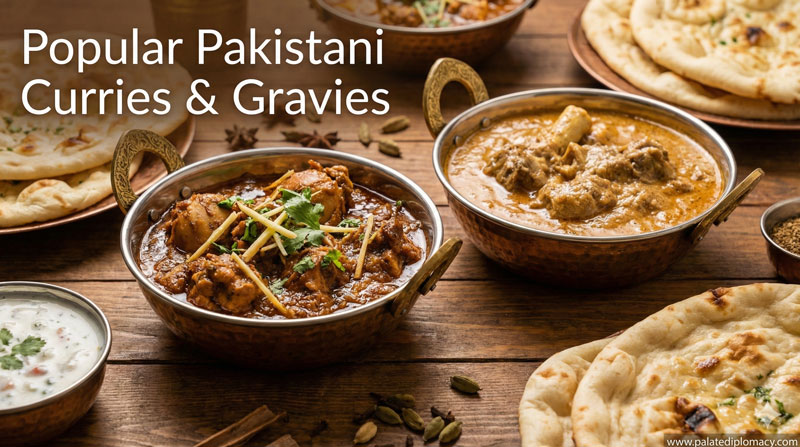
Korma Shines in moments of meeting and celebration. It is often shared, with steam rising as bowls pass from hand to hand. It pairs beautifully with fragrant rice, fluffy naan, or warm paratha. A garnish of fried onions, fresh cilantro, and a saffron strand adds color and brightness. Serving korma is a small ritual of hospitality, a quiet ritual that says, “You are welcome here.” The dish invites conversation and slow savoring, turning a meal into a memory.
Regional tastes and family twists
Across Pakistan, households tailor mutton korma with gentle variations. Some favor a creamier, richer gravy, while others emphasize yogurt for tang and freshness. Different regions bring subtle twists in spice balance, heat, and texture. In many homes, a family recipe carries a signature touch—the exact nut paste, a preferred spice mix, or the way onions are caramelized. These personal touches honor tradition while keeping the dish vibrant and relevant for today’s table.
A lasting favorite in Pakistani food culture
Mutton korma endures because it speaks to shared values: hospitality, careful technique, and the joy of savoring a well-balanced sauce. It echoes a pace of life that respects patience and attention to detail. As a centerpiece, it invites all generations to gather, learn, and taste together. In every ladle and every bite, the dish tells a story of care, craft, and community. Its beauty lies not only in flavor but in the moment it creates around the table.